Best Senior Cat Food: 7 Proven Picks For Healthy Weight, Digestion, And Energy
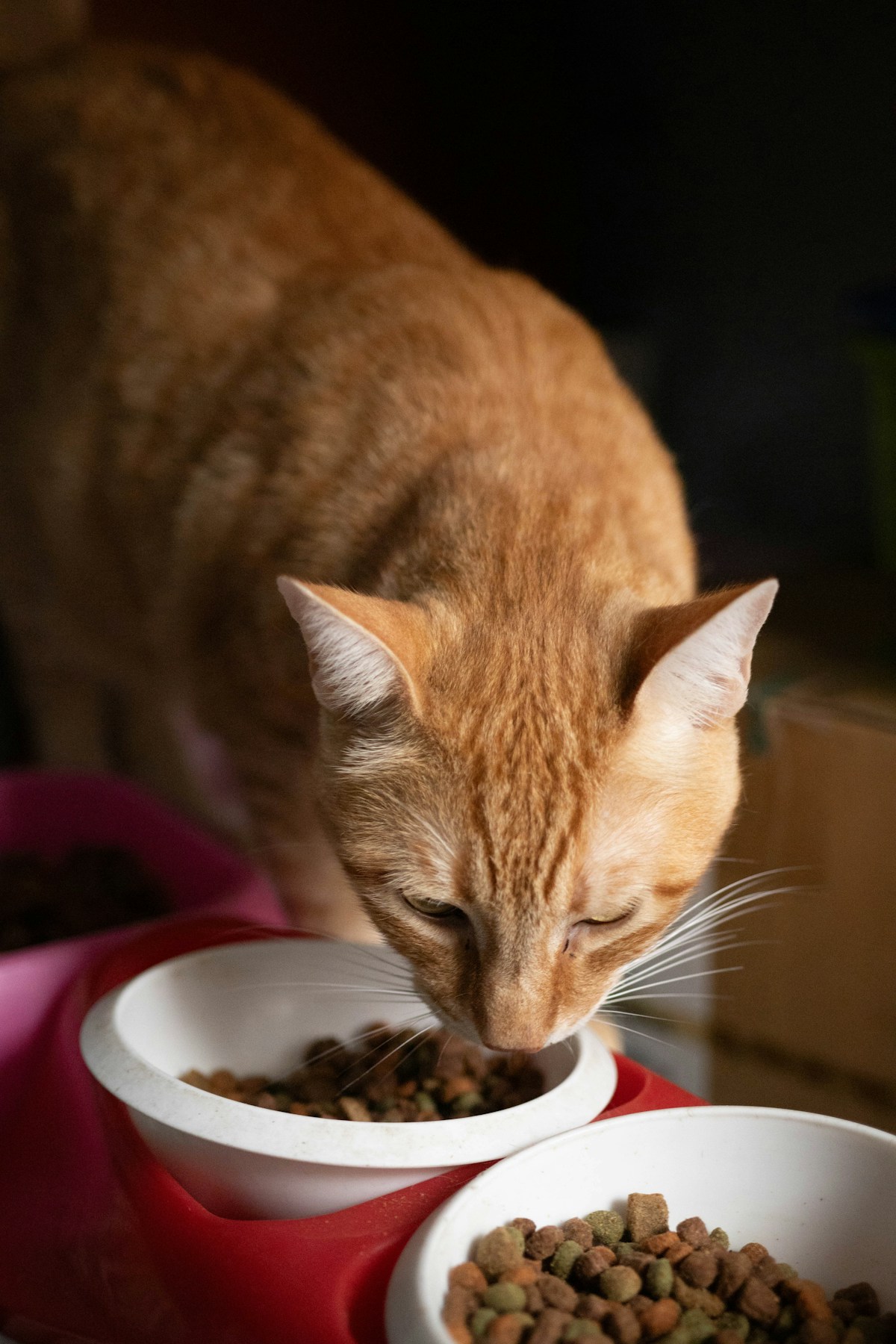
If you are comparing the best senior cat food, the main goal is supporting muscle, hydration, and appetite while avoiding excess calories. The right best senior cat food plan makes daily feeding easier, helps maintain healthy body condition, and reduces the trial-and-error cycle many owners face with aging cats.
TL;DR
The best senior formulas use quality protein, digestible ingredients, and moisture support. Start with one complete food, measure portions, and track appetite, stool quality, and weight each week before changing brands.
Quick Answer
- Prioritize protein quality and hydration, not marketing buzzwords.
- Use measured portions to prevent slow age-related weight gain.
- Mix wet and dry thoughtfully based on your cat's needs.
- Keep transitions gradual over 7-10 days for better tolerance.
- Compare related options in best cat food for senior cats and best food for older cats.
Table of Contents
Best Senior Cat Food Comparison Table
These recommendations focus on protein quality, digestibility, hydration support, and long-term feeding practicality.
| Product | Key Feature | Best For | Price Range | Rating |
|---|---|---|---|---|
| Hill's Science Diet Adult 11+ | Senior-focused nutrient profile | Balanced daily aging support | $28-$44 | 4.8/5 |
| Royal Canin Aging 12+ | Targeted aging metabolism support | Cats needing structured senior formulas | $33-$48 | 4.7/5 |
| Purina Pro Plan Prime Plus | Protein-forward senior nutrition | Owners wanting broad retail availability | $27-$40 | 4.6/5 |
| Blue Buffalo Tastefuls Mature | Digestible mature-cat formula | Cats with changing appetite patterns | $25-$39 | 4.5/5 |
| Wellness Complete Health Senior | Balanced ingredients and fiber support | Cats needing stool consistency support | $29-$43 | 4.5/5 |
| Nulo Freestyle Senior Cat | Higher protein, lower carb direction | Lean older cats needing muscle support | $34-$50 | 4.4/5 |
| Instinct Original Senior | Protein-dense recipe design | Owners seeking premium senior options | $36-$52 | 4.4/5 |
Top 7 Product Picks
1) Hill's Science Diet Adult 11+ - Best Overall
For most homes, this is the easiest starting point because it balances senior nutrition goals with consistent availability. It is often a practical first pick when you want structure without overcomplicating feeding routines.
2) Royal Canin Aging 12+ - Best Advanced Senior Focus
Useful for cats with more obvious age-related changes in appetite, activity, or body condition. It fits owners who want a formula specifically built around later-life needs.
3) Purina Pro Plan Prime Plus - Best Availability and Value Balance
A common recommendation for families who need reliable access and predictable pricing. Strong consistency helps reduce disruptive food switches.
4) Blue Buffalo Tastefuls Mature - Best for Palatability
Helpful for older cats with changing appetite. It can support better meal acceptance when your cat is less enthusiastic about previous formulas.
5) Wellness Complete Health Senior - Best Digestive Stability
Often a good fit when stool consistency becomes less predictable with age. Balanced fiber and digestibility can improve routine comfort.
6) Nulo Freestyle Senior - Best Lean-Mass Support
Works well for older cats who remain active and need higher protein support without excessive calorie escalation.
7) Instinct Original Senior - Best Premium Option
A stronger premium choice when ingredient density and protein quality are top priorities. Portion precision is essential due to calorie density.
Senior Cat Nutrition Needs: What Changes With Age
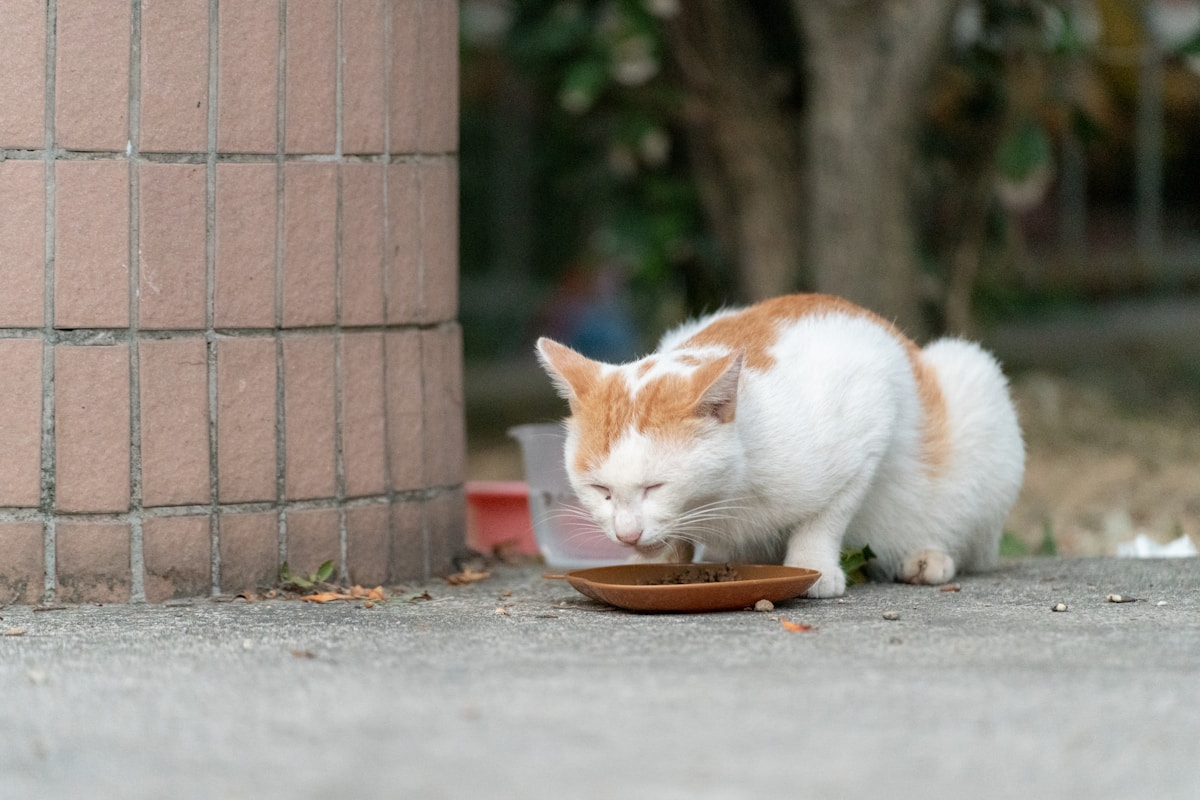
Older cats often experience shifts in metabolism, appetite, muscle maintenance, and hydration behavior. That means your previous feeding plan may stop working even if your cat looked healthy for years on the same diet.
Most senior cats benefit from highly digestible protein, controlled calories, and better hydration support. Appetite can become less predictable, so texture and aroma may matter more than they did in middle age. This is one reason mixed wet-and-dry strategies work better for many owners than all-dry feeding.
Body condition monitoring is critical. Weight loss in older cats can signal medical concerns, while gradual gain can strain joints and overall mobility. Use monthly check-ins and involve your veterinarian when trends are unclear.
What to Look For in the Best Senior Cat Food
Complete and Balanced Senior Formula
Start with formulas clearly labeled for adult maintenance or senior life stage support. Clear nutrition intent is essential for long-term consistency.
High-Quality Protein Sources
Older cats still need protein to preserve lean mass. Prioritize foods with named animal proteins and digestible ingredient profiles.
Moisture and Hydration Support
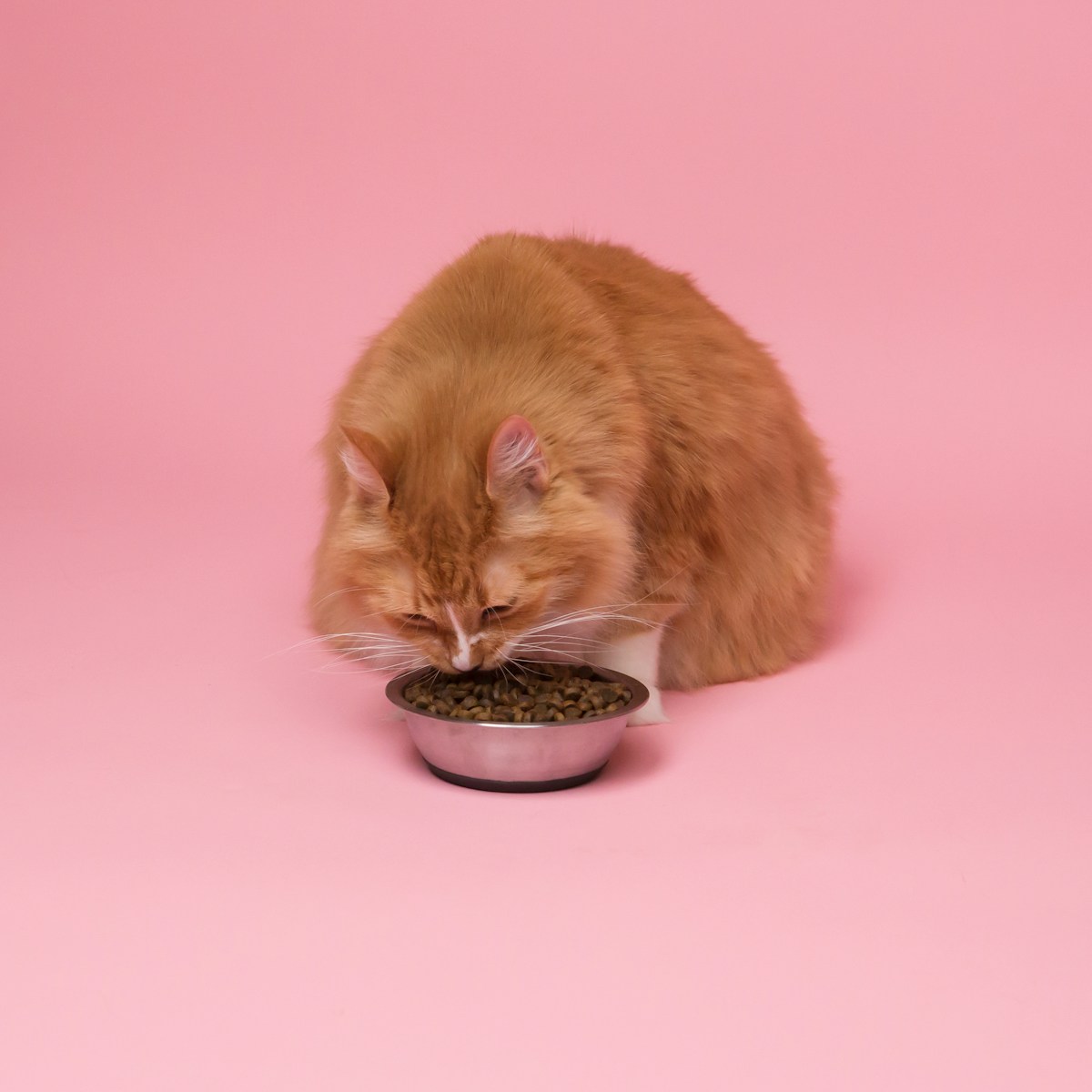
Hydration becomes more important with age. Including wet food can help cats that drink less water than needed.
Digestibility and Stool Quality
If your cat's digestion becomes inconsistent, choose formulas with straightforward ingredient architecture and monitor response over several weeks.
Budget Sustainability
The best plan is one you can maintain month after month. Evaluate cost per day, not just price per bag or can.
Wet vs Dry Food for Senior Cats: Practical Strategy
The common question is whether wet or dry is better, but the practical answer is usually a mix tailored to your cat. Wet food supports hydration and can be easier for some seniors to eat. Dry food adds convenience and can make portion planning simpler in multi-person households.
A balanced approach is often one wet meal and one dry meal daily, with calories pre-calculated to prevent accidental overfeeding. If your cat has digestive issues, review best cat food for sensitive stomach for lower-friction options.
7-10 Day Transition Plan for Older Cats
- Days 1-2: 75% current food, 25% new senior formula.
- Days 3-4: 60% current food, 40% new food.
- Days 5-6: 50% current food, 50% new food.
- Days 7-8: 25% current food, 75% new food.
- Days 9-10: 100% new food with stable portions.
Keep treats and toppers consistent during this period. Extra variables make it harder to evaluate tolerance and stool trends accurately.
Budget and Cost Planning Without Cutting Quality
Senior feeding costs can rise quickly if you switch brands often or buy small packs at retail markup. A simple budget system helps:
- Calculate daily calorie target with your veterinarian's guidance.
- Convert that target to exact serving size for your chosen formula.
- Project monthly usage before ordering.
- Buy sizes that minimize cost per ounce without risking spoilage.
If affordability is your top concern, compare with best food for elderly cats and best cat food for sensitive stomach to keep standards high while managing cost.
One practical approach is using a premium core formula and buying in larger, non-wasteful sizes, then reserving specialty toppers for appetite dips only. This keeps nutrient quality high without letting monthly feeding costs escalate unpredictably.
Common Mistakes That Slow Progress
- Switching foods too fast: abrupt changes can trigger digestive upset.
- Ignoring portion control: calorie drift causes weight issues over time.
- No weekly tracking: without notes, patterns are easy to miss.
- Using treats as meal replacements: this can unbalance nutrition.
- Delaying vet input: medical issues can look like food problems.
Stable routines and clear tracking usually improve outcomes faster than frequent product changes.
How We Chose These Recommendations
We evaluated foods on ingredient quality, senior suitability, digestibility potential, hydration support, and daily practicality. We prefer products owners can maintain consistently instead of short-term feeding experiments.
Methodology aligns with feline care guidance from AVMA, life-stage recommendations from AAHA/AAFP, and owner-facing nutrition context from PetMD.
Related Cat Food Guides
Frequently Asked Questions
What is the best senior cat food overall?
The best option is complete, protein-rich, digestible, and matched to your cat's hydration and calorie needs.
Should senior cats eat mostly wet or dry food?
Many older cats do well with a mixed approach that combines wet food hydration benefits with dry food convenience.
How often should I feed my senior cat?
Most senior cats do best with two to three measured meals daily, adjusted for appetite and health status.
Can senior formulas help with weight management?
Yes, when portions are measured and calories are matched to your cat's actual activity and body condition trends.
When should I ask my veterinarian for help?
Ask your vet for persistent appetite changes, weight shifts, vomiting, stool changes, or chronic medical concerns.
Final Verdict
The best senior cat food is the one your cat tolerates well, that you can portion accurately, and that fits your long-term budget. Keep transitions gradual, monitor weekly trends, and adjust one variable at a time. Consistency is what turns a good formula into reliable daily health support.