Best Dog Food For Sensitive Stomach And Diarrhea: 6 Formulas That Stabilize Digestion
If your dog has recurring loose stool, gas, or urgent bathroom trips, choosing the best dog food for sensitive stomach and diarrhea is one of the highest-impact changes you can make. The best dog food for sensitive stomach and diarrhea should reduce ingredient overload, improve digestibility, and create consistent stool quality without sacrificing nutrition.
TL;DR
The best dog food for sensitive stomach and diarrhea usually includes digestible protein, moderate fat, prebiotic fiber, and a controlled ingredient list. Transition slowly over 7-10 days and track stool changes daily for the first month.
Quick Answer
- Start with a sensitive-stomach formula before adding supplements.
- Keep treats simple and below 10% of daily calories during transition.
- Use measured portions to avoid digestive overload from overfeeding.
- Choose one formula and stay consistent for at least 3-4 weeks.
- For skin-linked symptoms, compare with our best dog food for skin allergies guide.
Table of Contents
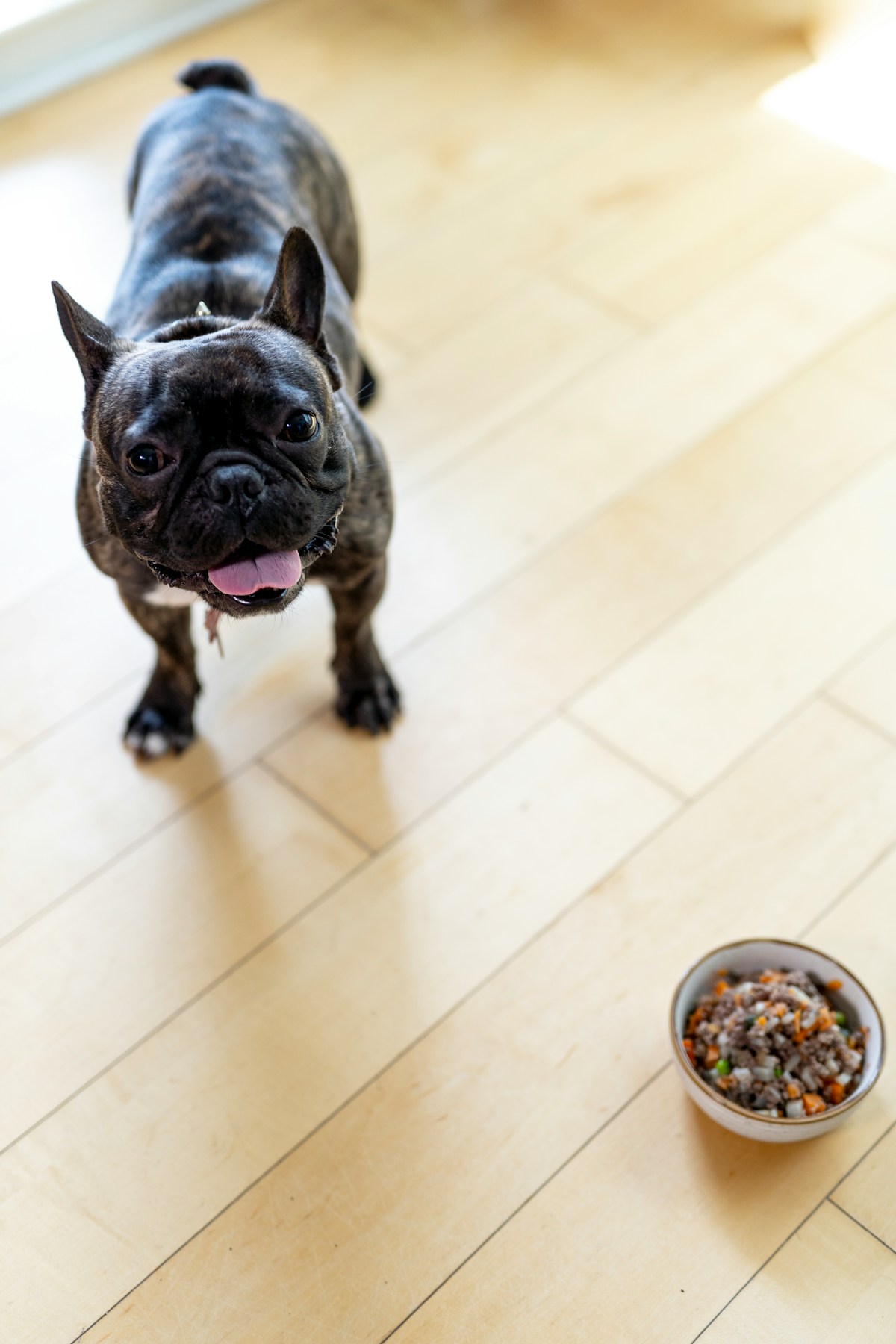
Best Dog Food for Sensitive Stomach and Diarrhea Comparison
These picks emphasize real-world digestive outcomes: stool consistency, ingredient transparency, and long-term feeding practicality. Price ranges vary by bag size and retailer promotions.
| Product | Key Feature | Best For | Price Range | Rating |
|---|---|---|---|---|
| Purina Pro Plan Sensitive Skin & Stomach | Digestible salmon protein + prebiotic fiber | Dogs with recurring loose stool | $75-$95 | 4.8/5 |
| Hill's Science Diet Perfect Digestion | Digestive-focused fiber blend | Gas-prone adults with stool swings | $70-$90 | 4.7/5 |
| Royal Canin Gastrointestinal | Highly digestible veterinary diet | Persistent GI upset under vet guidance | $85-$120 | 4.7/5 |
| Canidae PURE LID Salmon & Sweet Potato | Limited ingredient profile | Dogs needing trigger isolation | $78-$102 | 4.5/5 |
| Wellness CORE Digestive Health | Protein-forward with digestive support | Active dogs with sensitive digestion | $75-$98 | 4.5/5 |
| Blue Buffalo Blissful Belly | Prebiotic and fiber support blend | Mild sensitivity on a tighter budget | $65-$85 | 4.4/5 |
Top 6 Product Picks
1) Purina Pro Plan Sensitive Skin & Stomach — Best Overall
This is a dependable baseline formula when digestive symptoms are frequent but not extreme. It balances digestible protein and stable calorie density, which helps owners avoid over-correcting with too many add-ons. In many homes, stool quality improves once feeding amounts are measured consistently and treat variety is reduced.
2) Hill's Science Diet Perfect Digestion — Best for Stool Regularity
If your dog cycles between soft stool and urgency, this formula is a strong candidate. The digestive-support design can improve consistency over time when paired with a gradual transition and fewer table scraps. Owners often see better bathroom predictability within 10-21 days.
3) Royal Canin Gastrointestinal — Best Vet-Guided Option
When symptoms are more persistent, veterinary GI diets can provide tighter digestibility control. These formulas are usually most effective when used as part of a structured plan with stool monitoring and follow-up veterinary guidance.
4) Canidae PURE LID — Best Limited Ingredient Strategy
If you suspect a food trigger, a focused ingredient list helps isolate variables. This overlaps well with search intent around best limited ingredient dog food and can simplify elimination-style tracking.
5) Wellness CORE Digestive Health — Best for Active Dogs
Active dogs that need stronger protein support can do well here, but portion control still matters. Digestive improvement drops quickly when daily calories drift too high.
6) Blue Buffalo Blissful Belly — Best Value Digestive Pick
This is a practical option for milder symptoms and routine maintenance. If flare-ups continue beyond a few weeks, move to a stricter formula and involve your veterinarian.
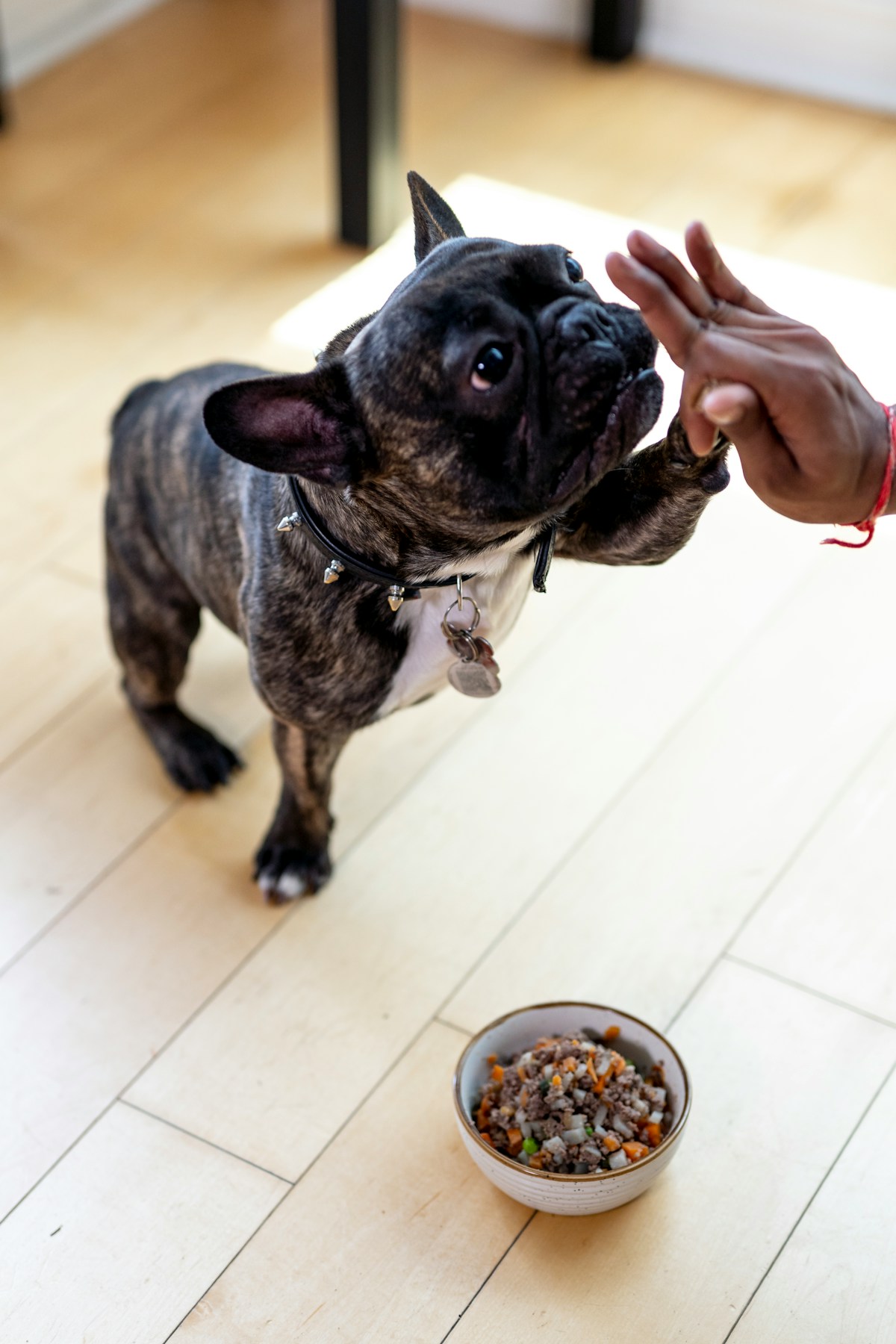
Why Sensitive Stomachs and Diarrhea Keep Returning
Digestive issues are rarely caused by one factor alone. Most dogs improve when owners control several variables at once: formula consistency, measured portions, treat discipline, and a transition plan that is slow enough for gut adaptation.
Common Drivers of Digestive Instability
- Ingredient switching too often: frequent changes prevent gut stability.
- Fat-heavy treats: rich extras can override progress from a good base food.
- Overfeeding: large meals strain digestion and worsen stool quality.
- Stress and routine disruption: travel, boarding, and schedule changes affect gut function.
- Underlying conditions: parasites, inflammatory issues, or infections require veterinary diagnosis.
If your dog also has skin flare-ups, compare this guide to best hypoallergenic dog food options and monitor cross-symptom patterns. Multi-symptom dogs often need both digestive and allergy-focused strategy.

What to Look For in Digestive-Support Dog Food
1) Digestible, Named Protein Sources
Specific protein labeling helps identify what your dog tolerates and what causes setbacks. Vague labels make it harder to troubleshoot if symptoms return.
2) Moderate Fat and Controlled Calories
Higher fat can increase GI stress in sensitive dogs. Keep calories in a manageable range and avoid abrupt jumps in portion size.
3) Functional Fiber Strategy
Balanced fiber helps regulate stool moisture and transit time. Too little can leave stools loose; too much can reduce digestibility. Product labels that outline digestive support clearly are usually a better starting point.
4) Simple Ingredient Architecture
Shorter, cleaner panels are easier to track. If your dog is reactive, move toward best sensitive stomach dog food profiles that reduce unnecessary ingredient complexity.
7-Day Transition Plan That Reduces Setbacks
Use this protocol unless your veterinarian advises a different timeline:
- Days 1-2: 75% old food, 25% new food.
- Days 3-4: 50% old food, 50% new food.
- Days 5-6: 25% old food, 75% new food.
- Day 7+: 100% new food, keep portions stable.
During transition, avoid introducing new treats and table food. If symptoms worsen, pause progression for 24-48 hours and return to the previous ratio before moving forward.
Once stool stabilizes, revisit long-term calorie goals with our best weight management dog food guide so digestive progress is not offset by weight gain.
Common Mistakes That Keep Diarrhea Cycles Going
Many owners buy a strong formula, then lose progress because routine errors keep the gut irritated. The most frequent problem is changing too many variables at once. If you switch kibble, add toppers, and change treats in the same week, it becomes difficult to identify what actually caused improvement or regression.
Another issue is feeding inconsistency. Dogs with sensitive digestion do better with fixed mealtimes, measured servings, and stable hydration patterns. Irregular portions can create stool swings that look like food intolerance when the real issue is feeding rhythm.
Treat inflation is a third blocker. Even high-quality treats can disrupt digestive recovery when they are too rich or too frequent. During reset periods, choose simple training rewards and count them in your daily calories. If symptoms continue, keep a short stool log for 2-3 weeks and share it with your veterinarian. This practical record often identifies triggers faster than memory-based guesswork.
How We Chose These Recommendations
We ranked formulas by digestibility signals, ingredient transparency, owner-reported consistency, and day-to-day practicality. We prioritize foods that can be maintained long term without complex feeding routines.
Our review standards align with nutrition principles from the WSAVA Global Nutrition Guidelines, care guidance from AVMA, and symptom-focused context from PetMD.
Related Dog Food Guides
Frequently Asked Questions
What is the best dog food for sensitive stomach and diarrhea?
Choose highly digestible formulas with moderate fat, clear protein sourcing, and stable fiber support. Consistency in feeding routine matters as much as brand selection.
How quickly should stool improve after changing food?
Some dogs improve within days, but stable results usually take 2-4 weeks with consistent portions and a clean transition protocol.
Should I use grain-free food for sensitive digestion?
Not automatically. Many sensitive dogs do well on grain-inclusive formulas when ingredient quality and digestibility are strong.
Can probiotics fix dog diarrhea by themselves?
They can support recovery, but they are not a replacement for an appropriate base diet and measured feeding process.
When should I contact my veterinarian?
Call your vet if diarrhea lasts longer than 24-48 hours, contains blood, or appears with vomiting, lethargy, fever, or signs of dehydration.
Final Verdict
The best dog food for sensitive stomach and diarrhea combines digestibility, ingredient clarity, and feeding consistency. Start with one proven formula, transition gradually, and track outcomes weekly. With a structured process, most dogs can move from unpredictable digestion to reliable stool quality and better daily comfort.