Best Food For Diabetic Dog: 6 Smart Options For Better Daily Blood Sugar Control
Choosing the best food for diabetic dog care can make day-to-day glucose management more predictable and less stressful. The right best food for diabetic dog routine pairs low-glycemic nutrition with fixed meal timing, accurate portions, and consistent tracking so insulin response is easier to stabilize over time.
TL;DR
The best food for diabetic dog plans focus on consistency: same formula, same mealtimes, measured portions, and structured monitoring. Most setbacks come from routine variability, not from one bad ingredient alone.
Quick Answer
- Control carbs and calories with precise portions, not estimates.
- Keep meal timing aligned with insulin schedule every day.
- Use one stable formula before testing alternatives.
- Track thirst, appetite, stool, and weight weekly.
- For linked obesity cases, combine with best weight loss dog food strategy.
Table of Contents
Best Food for Diabetic Dog Comparison Table
These options are prioritized for glycemic stability, feeding practicality, and long-term adherence. Therapeutic diets often perform best in difficult stabilization cases.
| Product | Key Feature | Best For | Price Range | Rating |
|---|---|---|---|---|
| Hill's Prescription Diet w/d | High-fiber diabetic support profile | Structured vet-managed diabetic plans | $95-$130 | 4.8/5 |
| Royal Canin Glycobalance | Controlled carbohydrate approach | Dogs needing tighter meal response control | $98-$135 | 4.7/5 |
| Purina Pro Plan Vet Diets DCO | Balanced metabolic support | Multi-condition diabetic households | $90-$120 | 4.6/5 |
| Blue Buffalo Fit & Healthy | Lower-calorie structure | Milder diabetic risk with weight overlap | $62-$84 | 4.4/5 |
| Wellness CORE Healthy Weight | Protein-forward weight support | Lean mass maintenance during calorie control | $70-$95 | 4.5/5 |
| Merrick Healthy Grains Weight Recipe | Practical non-prescription transition option | Owners building consistency from scratch | $65-$89 | 4.3/5 |
Top 6 Product Picks
1) Hill's Prescription Diet w/d — Best Overall Vet-Guided Choice
This is a common first-line therapeutic option for dogs needing consistent glucose response support. It works best when feeding volumes and insulin timing are highly structured.
2) Royal Canin Glycobalance — Best for Controlled Carbohydrate Strategy
Glycobalance formulas are designed for predictable post-meal responses. Owners often report cleaner routine management when portions are measured precisely.
3) Purina Pro Plan Vet Diets DCO — Best Practical Daily Option
A strong choice for households that need therapeutic structure with flexible sourcing and straightforward feeding instructions.
4) Blue Buffalo Fit & Healthy — Best Value Option
Useful for milder cases and early intervention. If glucose patterns remain unstable, escalate to veterinary therapeutic diets with your vet.
5) Wellness CORE Healthy Weight — Best for Protein Support
Helpful when body condition and muscle retention are priorities. If digestion fluctuates, compare with sensitive stomach and diarrhea guidance.
6) Merrick Healthy Grains Weight Recipe — Best Transition Path
Good bridge formula when moving off calorie-dense maintenance diets toward controlled diabetic feeding patterns.
Diabetic Nutrition Priorities That Matter Most
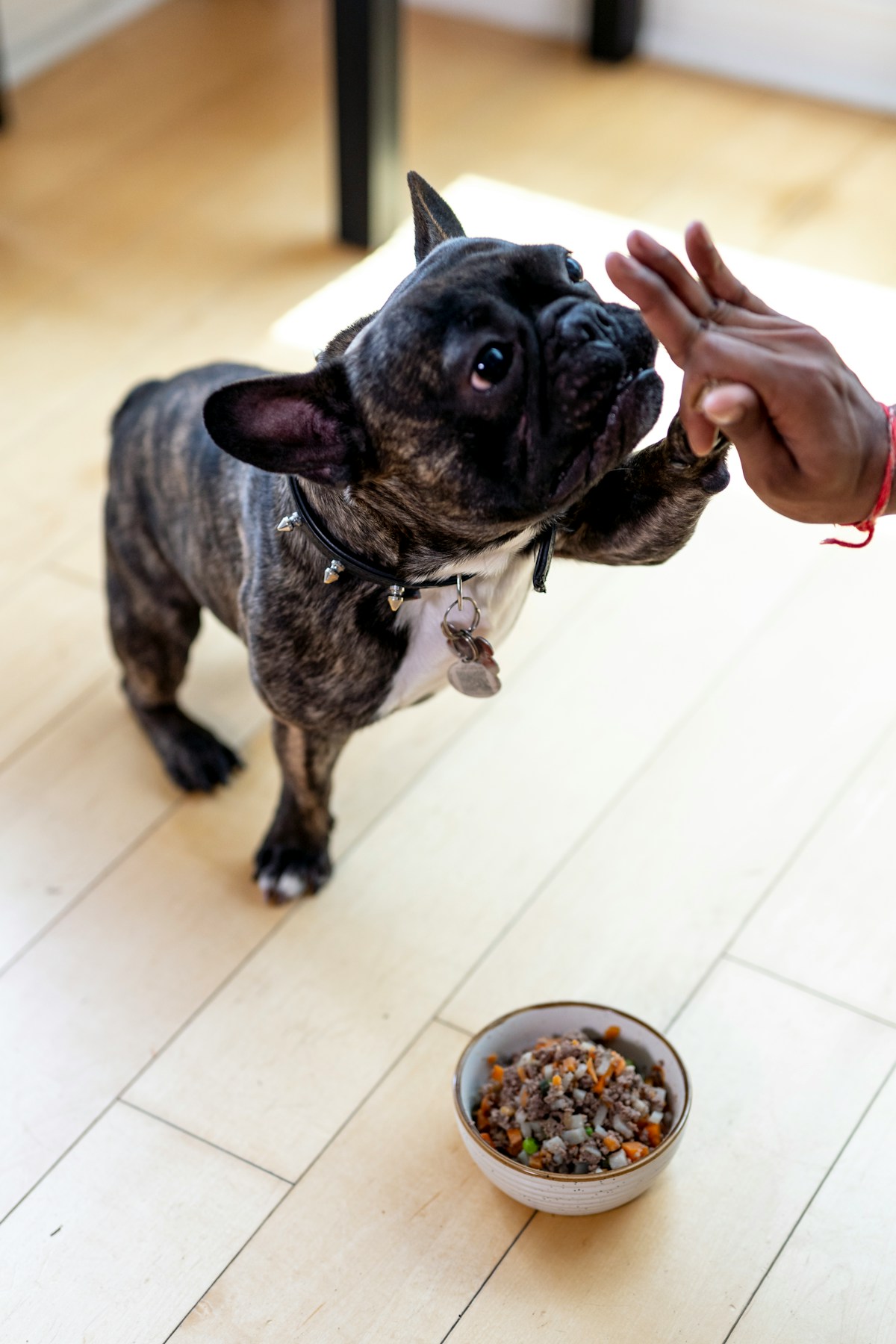
Diabetes management improves when food variables are reduced. Switching formulas frequently creates noisy trends and makes medication adjustments harder. Stable nutrition inputs improve the signal quality of your monitoring data.
Core Priorities
- Controlled glycemic impact: smoother post-meal responses.
- Adequate protein: supports muscle and satiety.
- Consistent calories: helps align insulin needs over time.
- Reliable digestibility: fewer disruptions to routine.
This page overlaps strongly with best dog food for diabetic dogs. In practice, both intents need the same disciplined process: fixed timing, measured portions, and careful trend review.
What to Look For Before Buying
1) Carbohydrate and Calorie Practicality
Pick formulas where the feeding math is realistic and repeatable. Plans fail when daily execution is too complex.
2) Label Clarity
Transparent ingredient and calorie labeling improves troubleshooting if response stalls.
3) Multi-Condition Compatibility
Many diabetic dogs are also overweight or allergy-prone. Cross-check with best weight management dog food and best hypoallergenic dog food strategies when needed.
4) Veterinary Fit
When insulin is involved, diet changes should be coordinated with your veterinarian to avoid avoidable instability during transitions.
Feeding and Insulin Timing Framework
- Lock meal times: use consistent windows every day.
- Measure portions: no visual guessing.
- Coordinate insulin: follow your veterinarian’s timing instructions.
- Control extras: no random table scraps or unplanned snacks.
- Review trends weekly: adjust only with meaningful data.
Consistent schedule execution is often the difference between unstable readings and manageable daily control.
14-Day Tracking Framework for Better Decisions
Create a simple daily log during any food change or dose adjustment window. Track meal intake, insulin timing, thirst, urination frequency, appetite, stool, and weekly body weight.
Two weeks of structured logging usually produces clearer decisions than reactive changes based on one difficult day. Share logs at recheck visits to accelerate targeted adjustments and reduce guesswork.
Daily Routine Example for Better Consistency
Owners often ask what a practical day looks like when running the best food for diabetic dog plan. The exact timing depends on your veterinarian, but consistency is the universal rule. Below is a sample routine many homes can adapt:
- 6:30 AM: offer measured breakfast and confirm normal appetite.
- 7:00 AM: administer medication as instructed by your veterinarian.
- Midday: provide water access, light activity, and no unplanned snacks.
- 6:30 PM: measured dinner using the same formula and tools.
- 7:00 PM: evening medication timing, then low-intensity walk.
The point is repeatability. If your schedule changes, shift both meals and medication in planned increments rather than random daily variation. This helps reduce glucose swings that look like food failure but are actually routine disruption.
Caregiver handoffs are another common weak point. If multiple family members feed the dog, keep a visible checklist so meals and treats are not duplicated. For households with multiple dogs, feed separately during diabetic management windows to prevent accidental bowl sharing and inaccurate calorie intake.
Common Mistakes That Destabilize Progress
The most common problem is inconsistency: changing food, treats, and timing all at once. That makes cause-and-effect unclear and slows progress.
Another issue is undercounting treats. Even small extras can materially alter daily intake and glucose response patterns.
Finally, many owners delay rechecks too long when thirst, appetite, or body condition change. Early veterinary review usually prevents larger setbacks.
When to Recheck and Adjust Your Plan
Nutrition and medication plans should be reviewed when objective signals change, not only when major problems appear. Recheck early if thirst increases, urination spikes, appetite drops, stool quality shifts, or body weight drifts outside your target range.
Make one change at a time whenever possible. If you adjust formula, keep schedule stable. If medication is adjusted, hold food constant. This clean process makes it easier to identify what actually improved outcomes.
For dogs with overlapping obesity, coordinate glucose goals with fat-loss targets so plans do not conflict. A combined approach using this page plus best weight loss dog food strategy often produces cleaner long-term results than isolated short-term fixes.
How We Chose These Recommendations
We scored formulas by glycemic control potential, feeding practicality, ingredient transparency, and long-term adherence in real households. We prioritize systems owners can sustain daily, not theoretical perfect plans.
Review criteria align with diabetes management guidance from AAHA, nutritional principles from WSAVA, and pet owner standards from AVMA.
Related Dog Food Guides
Frequently Asked Questions
What is the best food for diabetic dog routines?
The best plan is a stable, low-glycemic formula paired with precise feeding times and portion control.
How often should I feed a diabetic dog?
Most dogs are fed on a fixed twice-daily schedule coordinated with insulin, but follow your veterinarian’s specific protocol.
Is grain-free always better for diabetic dogs?
No. Grain-free does not guarantee better control; glycemic impact and overall formula quality matter more.
Can diabetic dogs still have treats?
Yes, with strict control and calorie accounting so treats do not destabilize your daily plan.
How long should I run a new food plan before judging results?
Early trends appear quickly, but stable conclusions require consistent tracking across several weeks.
Final Verdict
The best food for diabetic dog care is less about chasing new brands and more about disciplined execution. Choose one structured formula, align meals with insulin timing, and track outcomes consistently with your veterinarian. That process delivers safer, steadier glucose control than frequent reactive changes. Keep routines predictable and decisions data-driven for stronger long-term outcomes.