Dog Grooming Brush: Top Brush Picks For Every Coat Type
A dog grooming brush is the most important tool in any home grooming setup because it controls shedding, prevents mats, and supports healthy skin. Choosing the right dog grooming brush for your dog's coat type can make the difference between quick weekly maintenance and stressful, time-consuming sessions.
This guide compares top brushes, explains how each brush style works, and helps you build a simple routine that fits real life. We also connect related grooming topics such as dog grooming scissors, dog grooming vacuum tools, dog grooming tub setup, and long-term dog grooming cost planning.
Quick Answer
The best dog grooming brush is the one matched to coat type: slicker brushes for mats, deshedding tools for undercoat control, and bristle or pin brushes for finishing and daily maintenance. Use gentle pressure, consistent sessions, and coat-specific technique for best results.
Key Takeaways
- Match brush type to coat texture, not brand hype.
- Short, regular sessions work better than occasional long sessions.
- Deshedding tools require light pressure to avoid skin irritation.
- Brushing consistency can lower long-term grooming effort and cost.
- A simple workflow keeps dogs calmer and improves coat condition.
Table of Contents
Top Dog Grooming Brush Picks
| Product | Key Feature | Best For | Price Range | Rating |
|---|---|---|---|---|
| Hertzko Self-Cleaning Slicker Brush | Retractable pin system for easy cleanup | General de-matting and loose coat removal | $15-$25 | 4.8/5 |
| FURminator Deshedding Tool | Undercoat-focused deshedding blade | Double-coated heavy shedders | $25-$45 | 4.7/5 |
| Safari Pin and Bristle Combo Brush | Two-sided daily maintenance format | Short to medium coats | $12-$20 | 4.6/5 |
| Chris Christensen Big G Slicker | Premium pin density and handle control | Long coats and show-quality finish work | $55-$75 | 4.6/5 |
| Andis Premium Pet Rake | Long-tooth rake for dense undercoat | Thick-coated breeds and seasonal blowouts | $15-$30 | 4.5/5 |
| JW GripSoft Bristle Brush | Soft bristle finishing and coat smoothing | Short-coated and sensitive-skin dogs | $10-$18 | 4.4/5 |
Detailed Brush Reviews
1) Hertzko Self-Cleaning Slicker Brush
This brush is a reliable all-around starting point for many households. The self-cleaning feature reduces downtime between passes and keeps sessions moving, which helps dogs that dislike prolonged handling.
It works best with moderate pressure and short strokes, especially around sensitive areas.
2) FURminator Deshedding Tool
For high-shed breeds, a deshedding tool can reduce loose undercoat quickly when used correctly. It is most effective on clean, dry coats and should be used sparingly to avoid skin irritation.
Pair this tool with a softer finishing brush to keep the coat smooth after undercoat removal.
3) Safari Pin and Bristle Combo
This is a practical budget choice for owners who want one brush for quick daily maintenance. The pin side lifts loose coat while the bristle side helps smooth and distribute natural oils.
It may not be enough on heavily matted or thick double-coated dogs by itself.
4) Chris Christensen Big G Slicker
For long or high-maintenance coats, this premium slicker offers excellent control and finish quality. It is popular among groomers because it can reduce pass count and improve consistency.
Because of the price, it is best for owners committed to frequent detailed grooming.
5) Andis Premium Pet Rake
An undercoat rake is valuable for thick-coated dogs during seasonal shedding surges. It helps remove trapped loose coat before mats form, making full grooming sessions faster.
Always follow rake use with a lighter brush pass to check for tangles and comfort.
6) JW GripSoft Bristle Brush
Bristle brushes are ideal for quick finishing, short coats, and dogs that are sensitive to harder pin brushes. They are easy to use for daily upkeep and bonding sessions.
They do not replace de-matting tools for dense or long coats, but they are excellent maintenance additions.
Best Brush by Coat Type
Short Coats
Short-coated dogs usually benefit from bristle or rubber curry brushes. The goal is to remove loose hair and distribute oils without over-brushing.
Double Coats
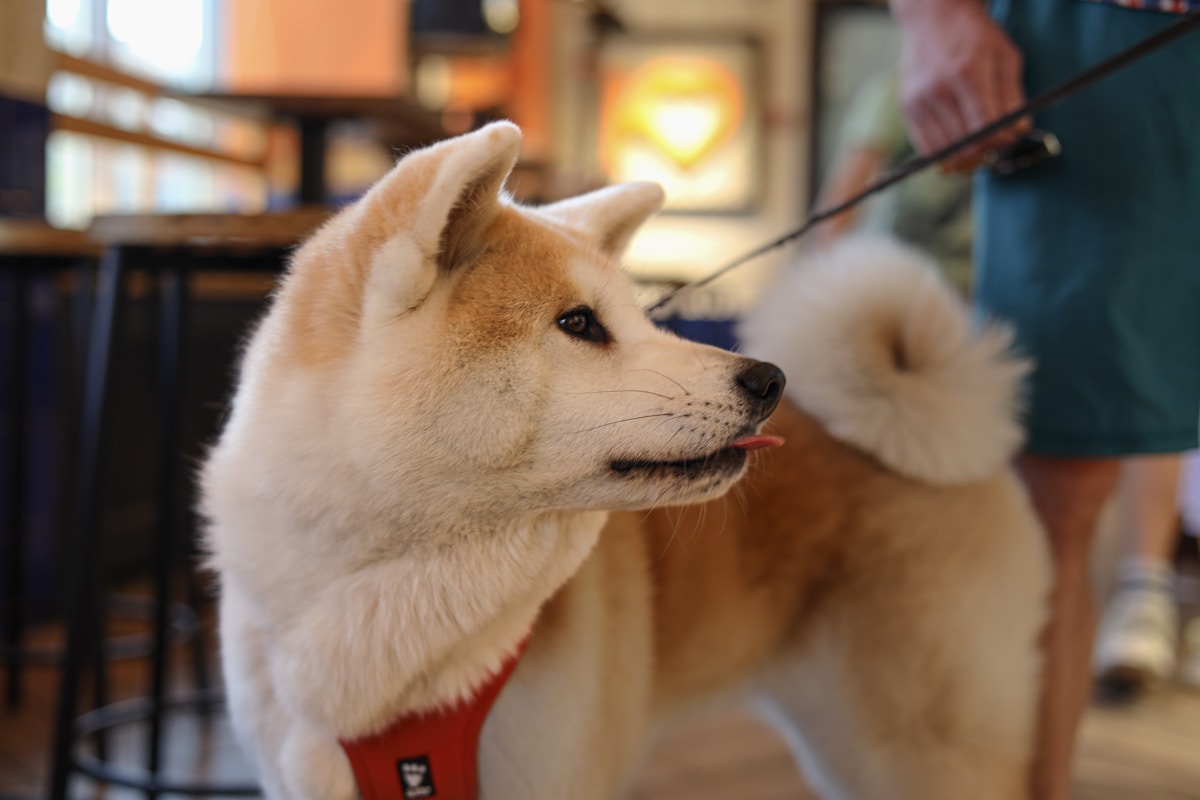
Use an undercoat rake and deshedding tool carefully, then finish with a slicker or pin brush. This layered approach removes volume while protecting topcoat quality.
Long and Curly Coats
Slicker brushes and comb follow-up are usually best. Line-brushing technique helps you reach the undercoat and catch tangles early.
Senior or Sensitive-Skin Dogs
Use softer brushes, shorter sessions, and frequent breaks. Comfort and consistency are more important than aggressive coat removal.
Brushing Workflow That Works at Home
- Start calm: brief handling and reward before the first stroke.
- Work in zones: shoulders, back, sides, hindquarters, chest, tail.
- Use coat-appropriate tools: avoid one-brush-fits-all assumptions.
- End positively: reward and stop before frustration escalates.
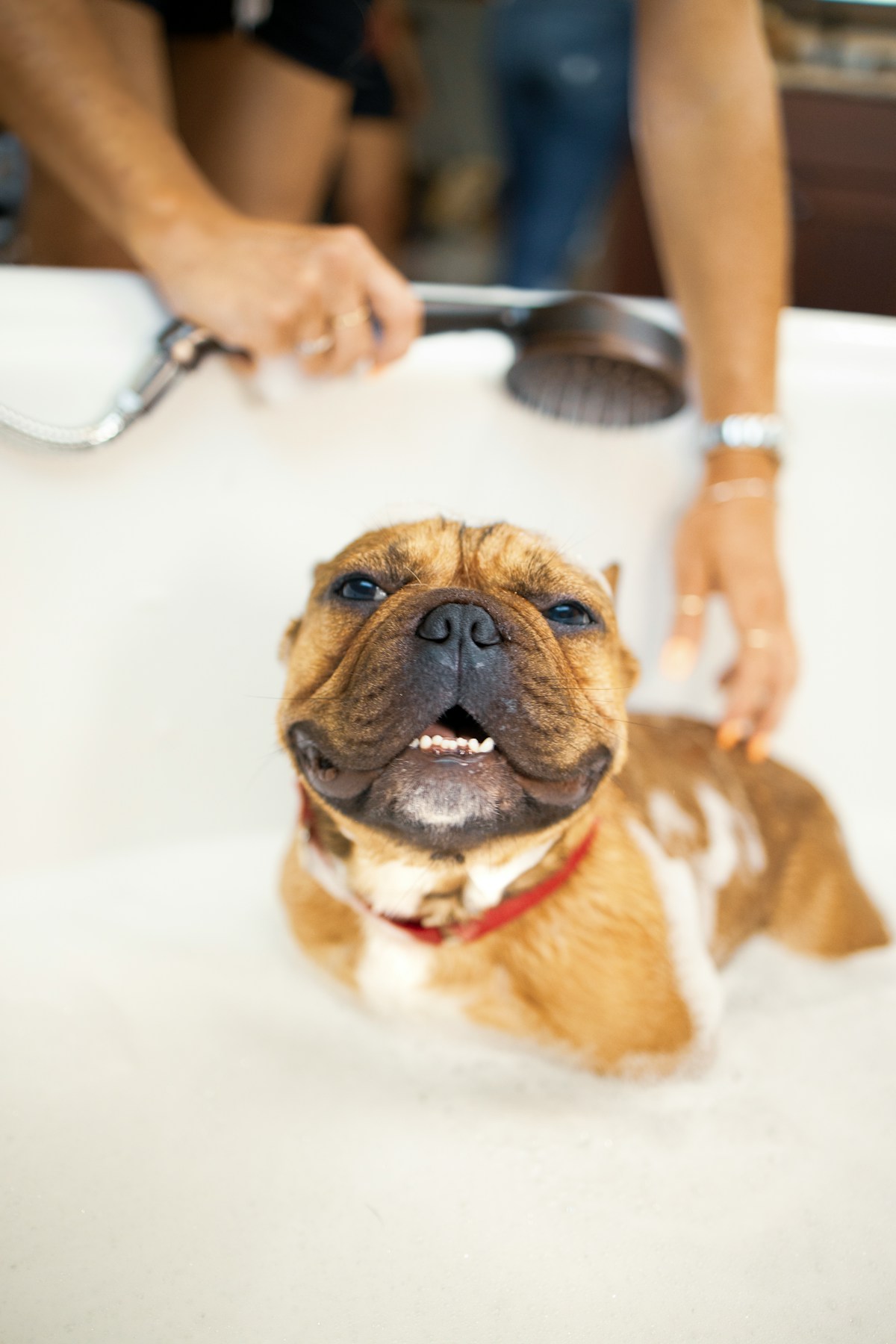
If your routine includes bathing, pair brushing with your dog grooming tub workflow for better coat results and faster cleanup.
Common Brushing Mistakes to Avoid
Many owners assume more pressure equals better results. In reality, heavy pressure can irritate skin and make dogs resist future sessions. Another common mistake is brushing only the top layer of coat. Thick and curly coats need line brushing so you can reach lower layers where tangles begin.
Skipping routine is also costly. Waiting until mats are visible usually means longer, less comfortable sessions that may require professional correction. Short, consistent sessions keep coat condition stable and reduce stress. Finally, avoid tool mismatch: a bristle brush on dense undercoat will not solve shedding, and an aggressive deshedding blade on a short single coat can cause irritation.
Simple Weekly Brushing Schedule
Use this schedule as a baseline and adjust by breed and season:
- Short coats: 2 short sessions weekly plus a quick finishing pass after outdoor activity.
- Medium coats: 3 sessions weekly with one deeper pass for undercoat check.
- Double coats: 4+ sessions weekly during shedding peaks, including rake and finish brush sequence.
- Long/curly coats: near-daily light brushing to prevent hidden matting near joints and friction zones.
Keep each session calm and predictable. Dogs handle grooming better when routines are familiar and stop before frustration builds.
Dog Grooming Cost and Dog Grooming Prices Impact
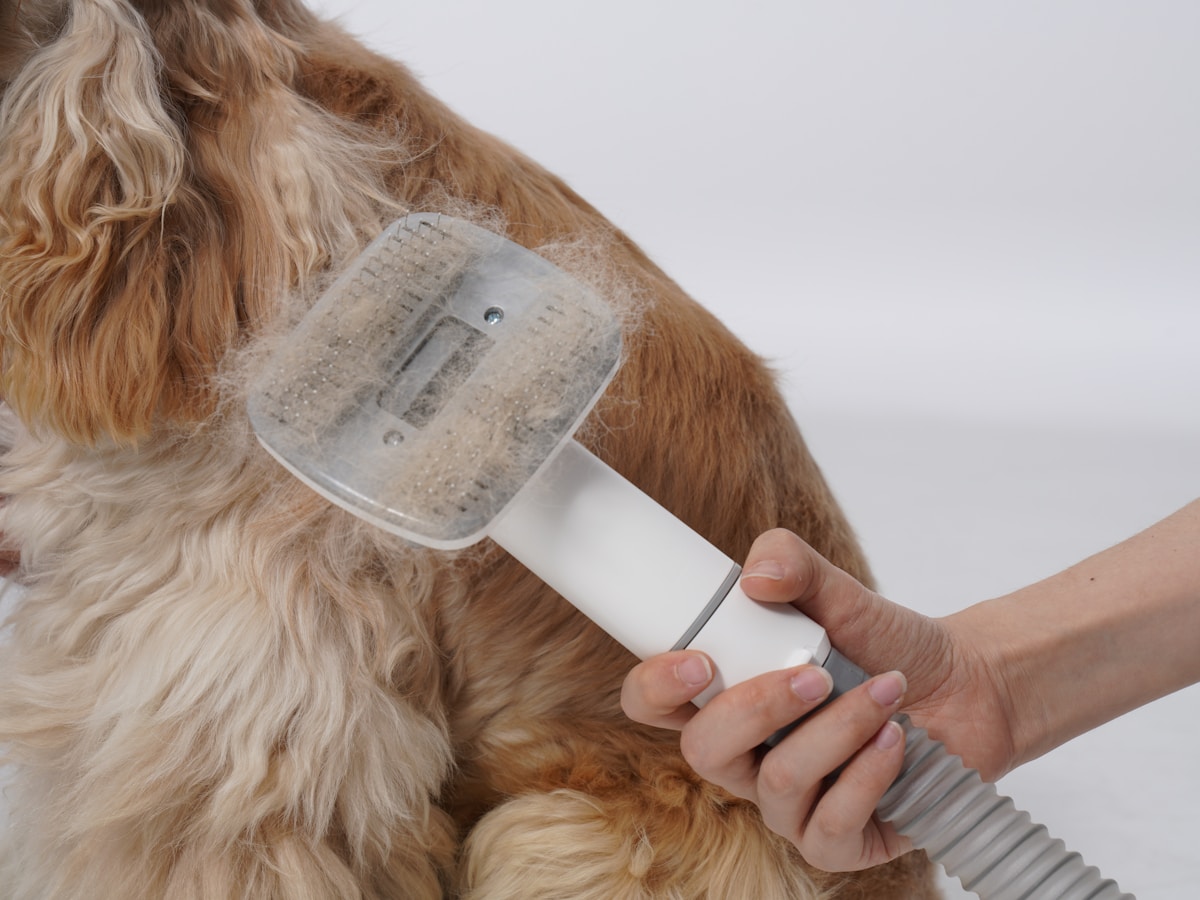
Routine brushing can reduce matting severity, which often lowers session difficulty and appointment length. Over time, that can affect both dog grooming cost and dog grooming prices for professional visits. Owners who maintain coats between appointments usually pay less for dematting-heavy add-ons and emergency grooming time.
For detailed budgeting, visit our guides on dog grooming cost and dog grooming prices.
How We Chose
We ranked brushes based on real home-use performance and grooming workflow fit. Each pick was assessed for:
- Coat compatibility: how well the tool matches specific coat types.
- Ease of use: comfort, grip, and cleaning practicality.
- Safety and skin comfort: low irritation risk when used correctly.
- Durability: brush lifespan under regular weekly use.
- Value: performance relative to price and maintenance needs.
We align handling and care fundamentals with references from AKC grooming guidance, AVMA, and PetMD grooming resources.
We also prioritized tools that are straightforward for beginners. A brush that is slightly less powerful but easier to use consistently often outperforms a complex tool that sits unused. Consistent weekly use is the strongest predictor of visible coat improvement. Tracking progress monthly keeps routines on track.
Related Guides
Frequently Asked Questions
What is the best dog grooming brush for heavy shedding?
Deshedding tools and undercoat rakes are usually best for heavy shedders when used gently and consistently.
How often should I brush my dog?
Most dogs benefit from two to four sessions weekly. Long or double-coated breeds may need daily brushing during shedding seasons.
Can a dog grooming brush replace professional grooming?
Regular brushing reduces matting and keeps coats healthier, but many breeds still need periodic professional trimming or specialized care.
Do I also need dog grooming scissors and a vacuum?
Start with the right brush first. Add scissors and vacuum tools if your coat type and routine demand more advanced maintenance.
Will brushing reduce grooming expenses?
Consistent brushing can lower matting-related service complexity, which often reduces long-term grooming costs.
Final Verdict
The right dog grooming brush is the one that matches your dog's coat and your weekly routine. Choose a coat-appropriate tool, brush consistently, and keep sessions calm and short. That approach improves coat health, reduces shedding stress, and makes every other grooming step easier.