Bernese Mountain Dog Health Problems: What Owners Should Screen for Early
Bernese Mountain Dog health problems usually require earlier planning than many large-breed issues because cancer, GDV, and orthopedic disease can become urgent before a dog looks obviously sick. The best owner strategy is a written screening routine that tracks lumps, appetite, gait, abdominal warning signs, body condition, and senior lab trends every month.
Bernese Mountain Dog health problems deserve a more proactive plan than a standard once-a-year glance because this large, deep-chested breed has meaningful risk for cancer, joint disease, bloat, and short-lifespan pressure. A healthy Berner can still hide early discomfort behind a steady temperament, thick coat, and willingness to stay close to the family. This guide explains the most important Bernese Mountain Dog health issues, which warning signs should change your timeline, and how owners can combine screening, weight control, breeder questions, insurance planning, and daily routines into one practical system.
Key Takeaways
- Bernese Mountain Dog health problems most often center on cancer vigilance, orthopedic screening, GDV readiness, eye checks, thyroid monitoring, and weight control.
- Histiocytic sarcoma is a major Berner cancer risk, so new lumps, unexplained fatigue, weight loss, and appetite changes should never be watched casually for weeks.
- Hip and elbow dysplasia risk rises when fast puppy growth, extra weight, and repetitive impact overlap before joints mature.
- GDV is a true emergency; unproductive retching, a hard swollen abdomen, restlessness, and rapid weakness mean immediate emergency-vet action.
- Pair this health plan with nutrition guidance from our large-dog food guide and calorie control from our weight-management dog food guide.
Table of Contents
- What Bernese Mountain Dog Health Problems Show Up Most Often?
- Why Is Cancer Such a Major Bernese Mountain Dog Health Issue?
- Are Bernese Mountain Dogs Prone to Hip and Elbow Dysplasia?
- How Dangerous Is Bloat in Bernese Mountain Dogs?
- How Should Owners Screen Bernese Mountain Dogs by Age?
- What Does Bernese Mountain Dog Preventive Care Cost?
- What Daily Routine Lowers Risk the Most?
- FAQ
What Bernese Mountain Dog Health Problems Show Up Most Often?
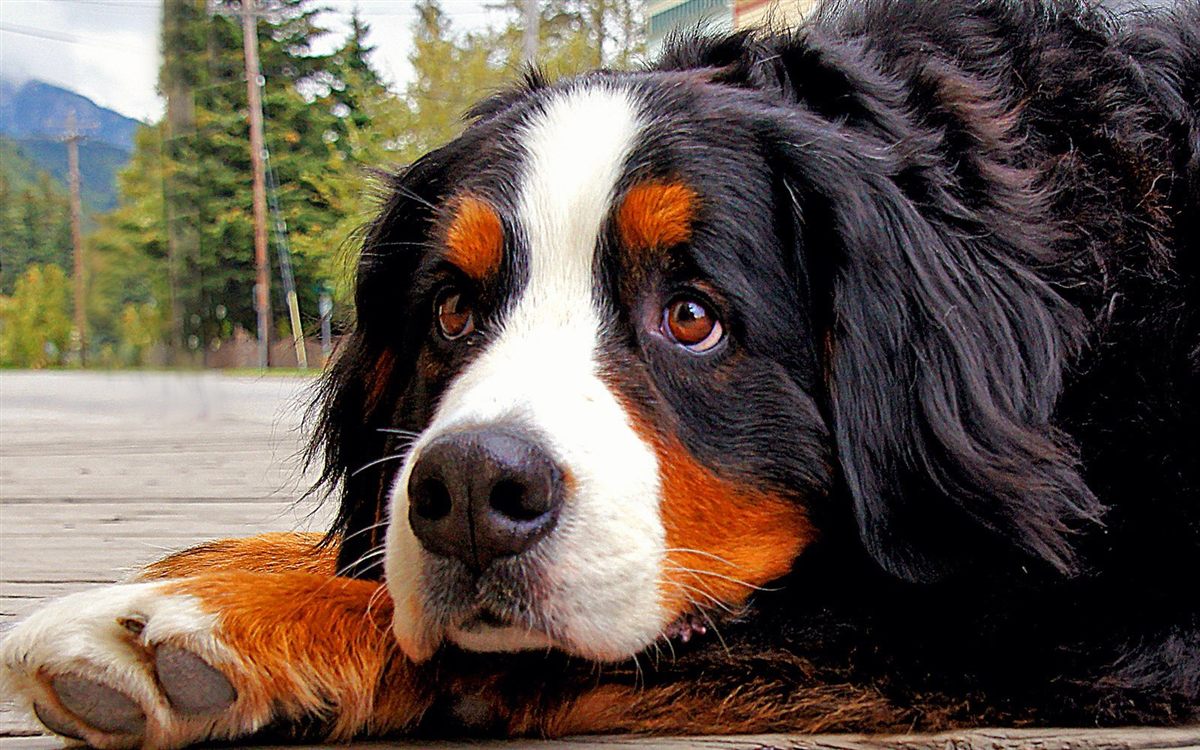
The most important Bernese Mountain Dog health issues fall into a few repeat categories: cancer, orthopedic disease, gastric dilatation-volvulus, eye disease, thyroid disease, allergies, autoimmune disease, and weight-linked strain. A Berner does not need to have every risk to need a structured plan. The point is that several of these risks can look ordinary at first. A small appetite dip, a soft swelling, a stiff first few steps after rest, or a restless evening after dinner can be easy to dismiss until the pattern repeats.
Large size changes the stakes. A Bernese puppy may gain weight quickly, which makes growth management central to joint health. An adult may carry five to ten extra pounds under a dense coat before the family notices the waist is gone. A senior may reduce activity quietly, not because the dog is lazy, but because elbows, hips, endocrine changes, or internal disease are making normal movement harder.
Breed-health summaries from PetMD and the Bernese Mountain Dog Club of the Finger Lakes both emphasize that Berner care is not just about loving a gentle family dog. It is about anticipating the medical patterns that shorten comfort and quality of life.
| Risk Area | What Owners Often Notice First | Best Early Action | Delay Risk |
|---|---|---|---|
| Cancer and masses | New lump, weight loss, lower stamina, reduced appetite | Prompt exam, measurement, and diagnostics when advised | Missing the treatment window or palliative planning window |
| Hip and elbow dysplasia | Limping, uneven sit, stair hesitation, slow rising | Orthopedic exam, imaging plan, weight review | Progressive arthritis and pain compensation |
| GDV or bloat | Restlessness, distended abdomen, retching without vomit | Emergency hospital immediately | Shock, tissue damage, death |
| Thyroid, allergies, and skin | Coat changes, itch, ear flares, weight gain, fatigue | Lab work, skin exam, diet and parasite review | Long cycles of discomfort and secondary infection |
Why Is Cancer Such a Major Bernese Mountain Dog Health Issue?
Cancer risk is the central concern in many Berner households because the breed is known for serious cancer patterns, including histiocytic sarcoma in some lines. That does not mean every dog is destined for cancer. It means owners should treat unexplained changes as information that deserves follow-up. The earlier a veterinarian can examine a mass, compare weight trends, and evaluate appetite or energy shifts, the better the family can make realistic decisions.
A cancer-focused routine starts with a monthly hands-on check. Run your fingers over the head, neck, chest, shoulders, armpits, belly, groin, tail base, and legs. Note any lump by location, size, texture, mobility, and date first found. If a lump grows, changes feel, bleeds, bothers the dog, or appears with systemic signs such as weight loss or fatigue, the timeline should shorten from "bring it up at the next annual" to "call the vet now."
The same logic applies to vague signs. A Berner that suddenly leaves breakfast, slows on a familiar walk, pants more at rest, or seems less interested in family interaction may be dealing with pain, endocrine disease, infection, or cancer. Tracking helps separate one odd day from a concerning trend. It also gives your veterinarian concrete data instead of a memory-based description.
Red flags that should not wait
- Any rapidly growing lump or swelling.
- Unexplained weight loss over one to two months.
- Repeated appetite loss or persistent nausea signs.
- New coughing, labored breathing, or poor exercise recovery.
- Sudden weakness, collapse, pale gums, or severe lethargy.
Are Bernese Mountain Dogs Prone to Hip and Elbow Dysplasia?
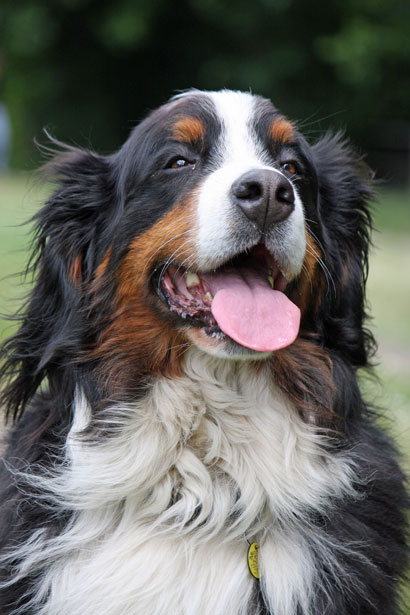
Bernese Mountain Dogs can be prone to hip and elbow dysplasia because they combine inherited risk, large size, and fast growth. Dysplasia means the joint does not develop or fit normally, which can lead to pain, instability, and degenerative arthritis. The Orthopedic Foundation for Animals notes that hip dysplasia severity and clinical signs are influenced by factors such as calories and exercise, which is exactly why owners have practical leverage.
The highest-risk period begins in puppyhood. Overfeeding a large-breed puppy does not create a stronger adult; it can push body mass faster than the skeleton is ready to support. Repeated jumping from vehicles, long forced runs, slick floors, and stair marathons add impact before coordination and soft-tissue support have matured. The safer target is steady growth, lean body condition, and controlled strength.
In adults, orthopedic care becomes a maintenance system. Watch how your dog rises after naps, sits, turns, loads into a car, and handles stairs. A dog that still plays hard but limps afterward is not "working through it"; the dog is giving you a timing clue. Earlier intervention may mean weight adjustment, anti-inflammatory planning, rehab exercises, traction changes, and imaging before compensation causes shoulder, back, or opposite-limb pain.
| Life Stage | Joint Priority | What to Avoid | Helpful Routine |
|---|---|---|---|
| Puppy | Controlled growth and safe surfaces | Overfeeding, repetitive jumping, forced running | Measured meals, short play, traction mats |
| Adult | Lean muscle and early lameness response | Ignoring stiffness after rest | Weekly gait check and weight log |
| Senior | Pain control and mobility support | Waiting until stairs are impossible | Ramps, nail care, rehab consults, semiannual exams |
How Dangerous Is Bloat in Bernese Mountain Dogs?
GDV, often called bloat, is one of the most time-sensitive Bernese Mountain Dog emergencies. The stomach fills with gas and may rotate, cutting off blood flow and causing rapid shock. Owners do not need to diagnose it at home. They need to recognize the emergency pattern and move. Unproductive retching, a tight or enlarged abdomen, drooling, pacing, distress, collapse, or sudden weakness after meals should be treated as a same-minute problem, not a monitor-overnight problem.
Prevention is about risk reduction rather than certainty. Many owners split food into two or more meals, avoid hard exercise around mealtime, keep water access normal but prevent frantic gulping after exertion, and ask their veterinarian about prophylactic gastropexy when spay, neuter, or another abdominal surgery is already being discussed. Gastropexy does not prevent the stomach from filling with gas, but it can reduce the chance of life-threatening rotation.
A household plan matters because panic wastes time. Know the nearest 24-hour emergency hospital, drive time, phone number, and after-hours entry process. Put that information where every adult can see it. A deep-chested large breed should not depend on one person remembering the route when symptoms appear at midnight.
How Should Owners Screen Bernese Mountain Dogs by Age?
A Bernese Mountain Dog screening schedule should be age-based, then customized for family history and symptoms. The schedule below is not a substitute for veterinary advice, but it gives owners a structure to discuss during appointments. The goal is to create baselines early, spot trend changes quickly, and avoid treating senior decline as inevitable when pain, thyroid disease, weight drift, eye disease, or internal illness may be involved.
Puppy to 18 months
- Discuss large-breed puppy nutrition and growth rate at each vaccine visit.
- Ask about breeder health testing for hips, elbows, eyes, cardiac status, and relevant family cancer history.
- Build low-impact movement habits before bad jumping and stair routines become normal.
- Practice handling paws, ears, mouth, belly, and body checks so adult screening is easy.
Adult years
- Keep at least annual wellness exams, with sooner visits for lumps, lameness, appetite changes, or repeated skin and ear flares.
- Log weight and body condition monthly, especially under the thick coat.
- Photograph or measure any lump and set a clear vet-follow-up threshold.
- Use controlled conditioning, not only weekend bursts of activity.
Senior years
- Move toward semiannual exams when your veterinarian recommends it.
- Discuss blood work, urinalysis, pain scoring, mobility changes, and cancer vigilance.
- Review home traction, ramps, nail length, bedding, and heat tolerance.
- Budget for diagnostic decisions before an emergency forces them.
What Does Bernese Mountain Dog Preventive Care Cost?
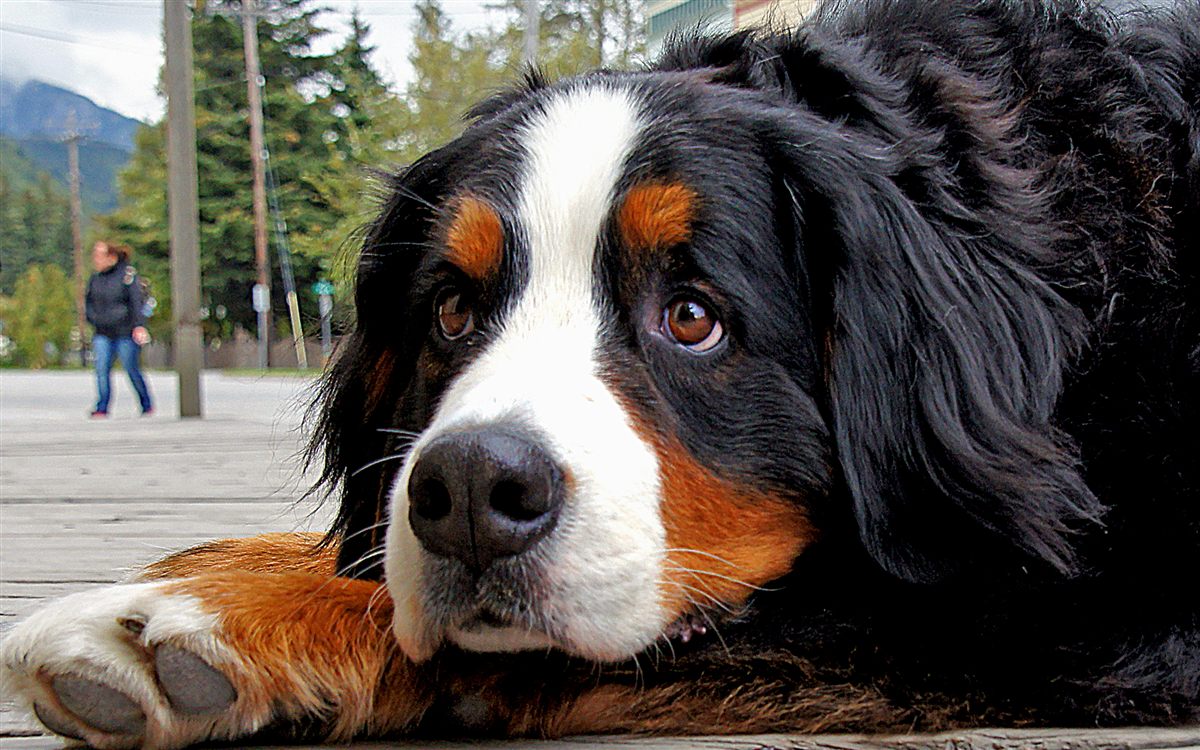
Bernese Mountain Dog vet costs are highly regional, but the pattern is predictable: prevention is recurring and manageable, while late-stage orthopedic emergencies, cancer diagnostics, GDV surgery, and specialty care can be large and sudden. A realistic Berner budget should include routine exams, parasite prevention, quality food, grooming tools, joint-support surfaces, diagnostics when symptoms appear, and either a medical savings fund, pet insurance, or both.
Insurance planning deserves earlier attention than many owners give it. Waiting until a limp, lump, or chronic skin problem appears can create exclusions or waiting-period issues. Compare policies while your dog is young and before symptoms are documented. Pay attention to hereditary and congenital coverage, orthopedic waiting periods, cancer care, emergency surgery, imaging, and rehabilitation. Our pet insurance hub can help you compare the structure of deductibles, reimbursement rates, annual limits, and exclusions before you shop.
Cost control does not mean avoiding diagnostics. It means using them at the right time. A quick exam for a new lump can be cheaper than months of uncertainty. A mobility consult after early lameness can be cheaper than a severe compensation injury. A planned gastropexy discussion can be easier than facing GDV surgery without a financial plan.
| Budget Category | Why It Matters for Berners | Planning Tip |
|---|---|---|
| Wellness and lab work | Creates baselines for weight, thyroid, organ, and senior changes | Set an annual reserve, then increase in senior years |
| Orthopedic care | Hip, elbow, and arthritis issues affect comfort and mobility | Budget for imaging, pain control, rehab, and home traction |
| Emergency care | GDV and sudden cancer-related decline can move fast | Keep emergency hospital details and funding access ready |
| Grooming and skin upkeep | Dense coats can hide weight change, skin irritation, and lumps | Use routine brushing from our dog grooming brush guide as a health check |
What Daily Routine Lowers Risk the Most?
The most useful Bernese Mountain Dog preventive care routine is simple enough to repeat. Measure meals, keep body condition lean, brush with intention, inspect ears and skin, watch post-rest movement, and note any change in appetite, stamina, stool, thirst, or mood. A written log may feel excessive until it helps you catch a pattern three weeks earlier than memory would have.
Exercise should build strength without pounding joints. Shorter daily walks, hill work when appropriate, controlled leash movement, swimming if your dog enjoys it, and gentle strength games often beat chaotic weekend overexertion. Training can also reduce injury risk. Teaching calm greetings and controlled threshold behavior lowers the chance of a heavy dog launching into guests, children, slick floors, or stairs. Use our no-jumping training plan if excitement is adding impact to daily life.
Food routine is the other major lever. A large-breed adult does not need free-fed calories and constant treats to feel loved. Use measured meals, treat budgets, and body-condition scoring. If your dog is already trending above ideal, make a controlled adjustment before the extra weight adds avoidable strain to hips, elbows, cruciate ligaments, heart, and heat tolerance.
Weekly Berner health checklist
- Check body condition from the side and above, then log weight if available.
- Brush thoroughly while feeling for new lumps, heat, swelling, mats, or sore areas.
- Watch the first 20 steps after rest for stiffness, uneven stride, or reluctance.
- Review meal timing, portion size, treat calories, and post-meal activity.
- Confirm emergency hospital information is still current.
FAQ: Bernese Mountain Dog Health Problems
What health problems do Bernese Mountain Dogs have most often?
Bernese Mountain Dog health issues most often cluster around cancer risk, hip and elbow dysplasia, GDV or bloat, eye disease, thyroid disease, allergies, and autoimmune concerns. The highest-risk plan is waiting for obvious decline because many early signs are subtle.
Why do Bernese Mountain Dogs get cancer so often?
Bernese Mountain Dogs have a breed-level predisposition to several cancers, including histiocytic sarcoma in some family lines. Owners cannot screen out all risk, but they can choose health-tested breeders and respond quickly to lumps, weight loss, or unexplained fatigue.
Are Bernese Mountain Dogs prone to hip dysplasia?
Yes, Bernese Mountain Dogs can be prone to hip and elbow dysplasia because they are large, heavy, fast-growing dogs with inherited orthopedic risk. Screening, controlled puppy growth, and lean body condition reduce progression pressure.
How do you prevent bloat in Bernese Mountain Dogs?
You cannot fully prevent bloat, but you can lower risk by avoiding one huge daily meal, keeping intense exercise away from meals, recognizing unproductive retching as an emergency, and asking your vet whether gastropexy makes sense. Every household should know its nearest emergency hospital before symptoms happen.
How long do Bernese Mountain Dogs live?
Many Bernese Mountain Dogs live about 7 to 10 years, with individual outcomes shaped by genetics, cancer risk, orthopedic disease, body condition, and early veterinary care. Preventive screening is less about guaranteeing longevity and more about protecting comfortable years.
Bottom Line
Bernese Mountain Dog health problems are serious, but owners are not powerless. The strongest plan is early breeder due diligence, lean growth, joint protection, monthly lump checks, GDV readiness, senior screening, and a budget that makes prompt care possible.