Cavalier King Charles Health Problems: What Owners Should Screen for Early
Cavalier King Charles health problems require early screening because heart disease, neurologic pain, eye disease, and knee instability can begin before a dog looks obviously sick. The strongest owner plan is annual-to-semiannual trend tracking that covers cardiac exams, pain behaviors, eyes, knees, dental health, body condition, and insurance planning before symptoms become expensive emergencies.
Cavalier King Charles health problems deserve a prevention-first plan because this affectionate toy spaniel can hide serious heart, neurologic, eye, knee, and dental issues behind a cheerful temperament. The breed is popular because Cavaliers are gentle, social, and adaptable, but the medical pattern is not casual. Owners need to know what a heart murmur means, why phantom scratching can be pain rather than itch, how eye problems show up, and which screening records matter before choosing a puppy or setting a care budget.
This guide focuses on the highest-impact Cavalier King Charles Spaniel health problems by urgency, frequency, and owner action. You will get a practical screening schedule, symptom thresholds, cost planning notes, and internal comparison links to similar small-breed and brachycephalic health profiles, including our French Bulldog health problems guide, Yorkie health risk guide, and Poodle health screening guide.
Key Takeaways
- Mitral valve disease is the top Cavalier heart concern, so routine cardiac exams are not optional background care.
- Chiari-like malformation and syringomyelia can look like scratching, touch sensitivity, sleep trouble, or reluctance to move the neck.
- Eye disease, patellar luxation, hip dysplasia, dental disease, ear infections, and weight gain all deserve planned monitoring.
- Responsible breeder screening should include cardiac, eye, patella, and hip records, plus clear discussion of family history.
- Pet insurance or a dedicated emergency fund is best arranged before any murmur, neurologic symptom, eye problem, or knee issue is documented.
Table of Contents
- What Cavalier King Charles health problems show up most often?
- How serious is Cavalier mitral valve disease?
- What are syringomyelia symptoms in Cavaliers?
- Which Cavalier eye problems need early care?
- Are Cavaliers prone to patellar luxation or hip dysplasia?
- What health testing should Cavalier owners ask for?
- What do Cavalier vet costs usually look like?
- What daily care routine lowers risk?
- FAQ
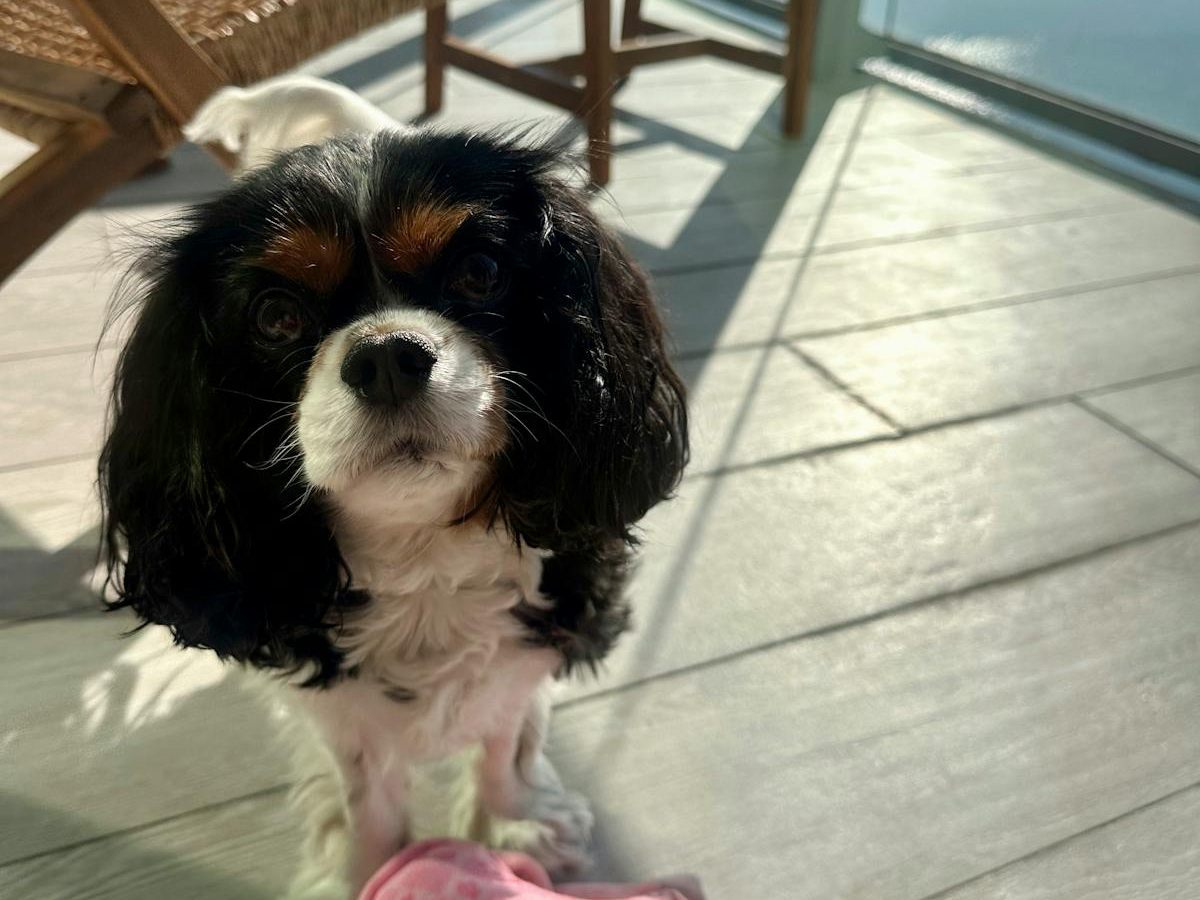
What Cavalier King Charles Health Problems Show Up Most Often?
The most important Cavalier King Charles health problems cluster around the heart, brain and spinal cord, eyes, knees, hips, mouth, ears, skin, and weight. That list sounds broad, but the practical owner plan is focused: listen to the heart regularly, recognize neurologic pain, examine eyes quickly, keep the dog lean, protect knees and hips, and avoid letting dental disease smolder for years.
PetMD's Cavalier breed profile lists a typical lifespan of about 12 to 15 years and highlights health concerns that owners should monitor across life stages. Lifespan alone does not tell the full story. A Cavalier can live a long life while needing cardiac medication, dental cleanings, eye care, pain management, or mobility support. The useful question is not only "How long will my dog live?" but "How early can I catch the conditions that reduce comfort?"
Cavaliers are especially easy to underestimate because many stay sweet, social, and eager to be near people even when uncomfortable. A dog that still cuddles may have neck pain. A dog that still eats may have early dental disease. A dog that still walks may have a murmur, a slipping kneecap, or reduced exercise tolerance. Owners need repeatable checks that do not depend on a crisis.
| Risk Area | Early Signs Owners May Notice | Best First Step | Why Delay Hurts |
|---|---|---|---|
| Mitral valve disease | Heart murmur, cough, slower walks, fainting, breathing changes | Veterinary exam and cardiology plan when advised | Heart enlargement can progress before symptoms look dramatic |
| Syringomyelia and Chiari-like malformation | Phantom scratching, neck pain, yelping, sleep disruption | Pain-focused exam and neurology discussion | Chronic pain can be mistaken for allergies or behavior |
| Eyes | Redness, squinting, cloudiness, discharge, bumping into objects | Prompt eye exam, not home drops without guidance | Some eye problems worsen quickly and threaten vision |
| Knees, hips, and weight | Skipping gait, bunny hopping, stair reluctance, slow rising | Orthopedic exam, body condition review, imaging if needed | Small dogs can accumulate painful compensation patterns |
How Serious Is Cavalier Mitral Valve Disease?
Cavalier mitral valve disease is serious because it can begin as a quiet murmur and progress toward congestive heart failure. The mitral valve sits between the left atrium and left ventricle. When it degenerates, blood leaks backward, the heart works harder, and enlargement can develop over time. A murmur is not automatically an emergency, but it is never irrelevant in this breed.
One open-access echocardiography paper notes that myxomatous mitral valve disease is especially common in Cavaliers, with very high age-linked prevalence reported by 10 years old. The exact risk for an individual dog depends on genetics, age, body condition, and veterinary findings, but the owner response is consistent: document auscultation results, follow recheck intervals, and ask when chest radiographs, blood pressure, echocardiography, or medication discussions become appropriate.
Heart care is where vague symptoms matter. A Cavalier that coughs at night, tires sooner, breathes faster at rest, faints, or struggles to settle after mild activity needs prompt evaluation. Owners can help by learning normal sleeping respiratory rate, keeping a weight log, and recording exercise tolerance. The more objective your notes are, the easier it is for your veterinarian to separate normal aging from heart progression.
Cardiac warning signs that should move your timeline
- Resting or sleeping breathing rate that trends upward over several days.
- Persistent cough, especially at night or after excitement.
- Collapse, fainting, blue-tinged gums, or sudden weakness.
- New reluctance to walk, climb stairs, or recover after normal play.
- Abdominal swelling or sudden weight change that does not match calories.

What Are Syringomyelia Symptoms in Cavaliers?
Syringomyelia is a fluid-filled cavity within the spinal cord, often discussed in Cavaliers alongside Chiari-like malformation. The condition can cause neuropathic pain that owners mistake for itch, ear trouble, collar dislike, or quirky behavior. Some dogs scratch at the air near the neck or shoulder without making skin contact. Others yelp when lifted, resist grooming around the ears, rub the head, avoid jumping, sleep poorly, or seem anxious when touched.
A longitudinal Cavalier study summarizes why this disease complex deserves respect: MRI-based research has found Chiari-like malformation and syringomyelia at high rates in the breed, including asymptomatic dogs. That does not mean every scratch is syringomyelia. It does mean chronic neck-area sensitivity should not be handled as a simple skin problem for months without a pain-aware exam.
Diagnosis and treatment are veterinary decisions. Your role is pattern recognition. Note whether scratching happens during excitement, on leash, after waking, during grooming, or when the collar touches the neck. Record yelping, head rubbing, reluctance to lower the head to a bowl, changes in gait, or unusual sleep positions. Videos are often useful because neurologic pain behaviors can be intermittent and hard to reproduce in an exam room.
When neck pain is more likely than itch
Itch usually leaves skin evidence: redness, scabs, hair loss, odor, parasites, or ear debris. Neurologic pain may happen with clean skin and normal ears. If a Cavalier repeatedly scratches near the shoulder without contacting the body, screams when picked up, or avoids normal head movement, the problem deserves a broader conversation than shampoo or allergy treats.
Which Cavalier Eye Problems Need Early Care?
Cavalier eye problems can include dry eye, cataracts, retinal problems, corneal injury, cherry eye, and chronic irritation from facial anatomy or tear distribution. Eyes should be treated as time-sensitive because discomfort and vision risk can escalate quickly. A red, cloudy, painful, or squinting eye is not a wait-and-see issue, especially in a dog that may already be stoic.
Dry eye can look like thick discharge, redness, blinking, dull corneal surface, or repeated rubbing. Cataracts and retinal disease may show up as cloudiness, night-vision trouble, hesitation on stairs, or bumping into furniture. Cherry eye can appear as a pink swelling near the inner corner. Owners should avoid using leftover eye medication unless a veterinarian specifically directs it, because the wrong drop can make some conditions worse.
Routine grooming is a useful inspection point. Clean the face gently, look for discharge changes, and compare both eyes in the same light. Pair this with our dog grooming brush guide if you need a low-stress handling routine that turns coat care into a weekly health check. Cavaliers with long ears and feathering often benefit from calm, predictable handling before eye or ear discomfort makes grooming harder.
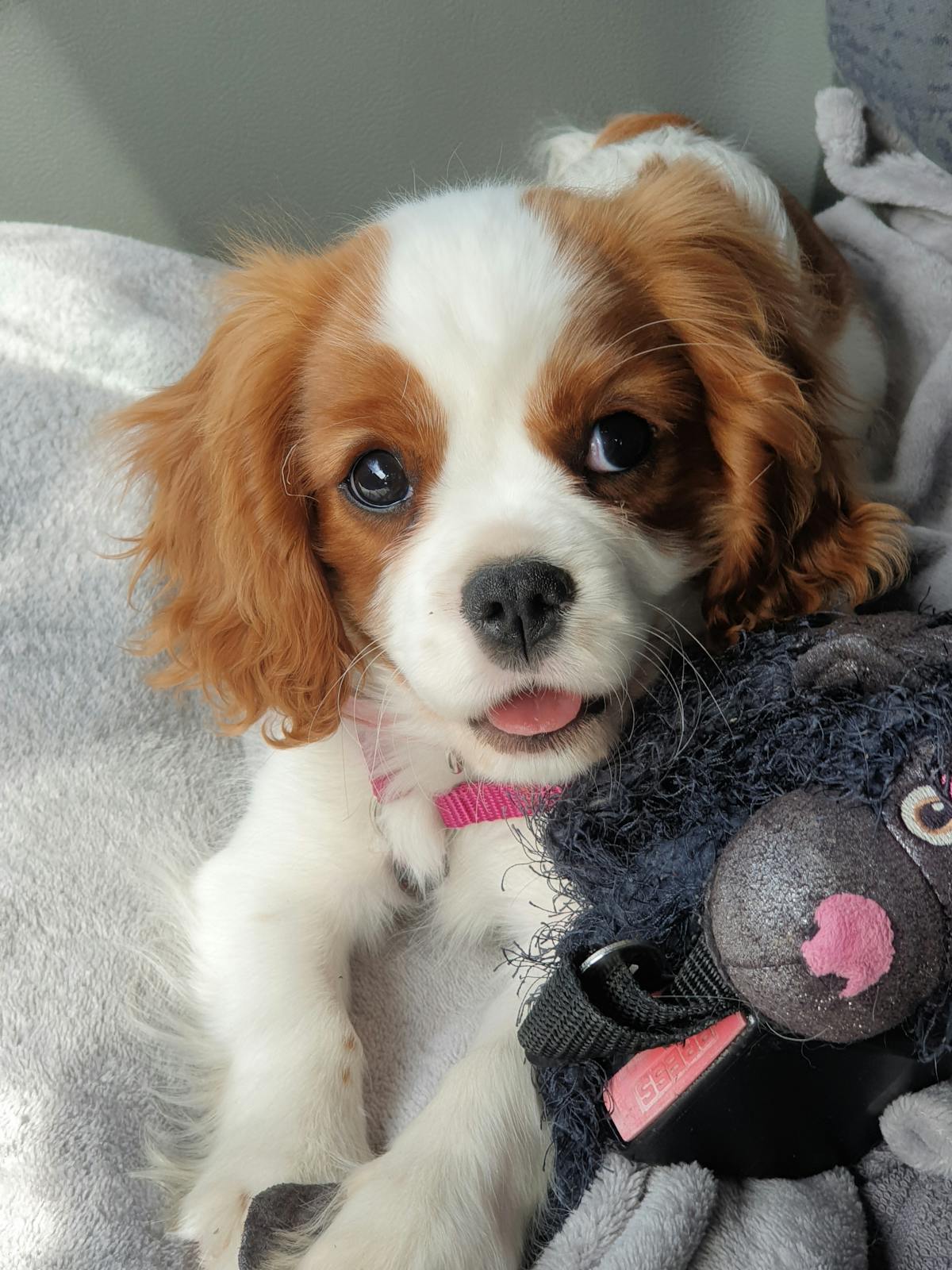
Are Cavaliers Prone to Patellar Luxation or Hip Dysplasia?
Cavaliers can be prone to patellar luxation, where the kneecap slips out of its normal track, and they can also develop hip dysplasia. Small dogs with knee issues often show a skipping gait, sudden hind-leg lift, bunny hopping, or brief lameness that seems to disappear. Because the dog may act normal again minutes later, owners sometimes wait until compensation creates more persistent pain.
The best joint plan is lean body condition, safe surfaces, controlled jumping, prompt lameness exams, and breeder records. Extra weight matters even in a small dog. A few pounds can meaningfully increase stress on knees, hips, heart, and breathing. If your Cavalier is already above ideal body condition, our weight-management dog food guide can help you build a calorie-aware feeding plan to discuss with your veterinarian.
Exercise should protect mobility without turning the dog sedentary. Cavaliers still need daily walks, gentle play, mental enrichment, and muscle maintenance. The issue is uncontrolled impact: jumping off couches, racing down stairs, slipping on hard floors, and repetitive fetch with sharp turns. Use rugs, ramps, and predictable training to reduce avoidable strain. If greetings involve launching at guests, our no-jumping training plan is a joint-health tool as much as a manners plan.
| Movement Sign | Possible Concern | Owner Response |
|---|---|---|
| Skipping or brief hind-leg lift | Patellar luxation or soft-tissue pain | Schedule an orthopedic exam and record video |
| Reluctance to jump or climb stairs | Knee, hip, back, or neurologic pain | Limit jumping and discuss pain localization |
| Slow rising after rest | Arthritis, hip pain, or compensation | Review weight, flooring, nails, and medication options |
| Sudden non-weight-bearing lameness | Acute injury or severe luxation episode | Seek urgent veterinary advice |
What Health Testing Should Cavalier Owners Ask For?
Cavalier health testing should be part of the purchase conversation and the lifetime care plan. The Cavalier King Charles Spaniel Club, USA health testing guidance recommends breeder screening that includes cardiology clearance, ophthalmology screening, patella evaluation, and hip evaluation, with periodic follow-up for hearts, eyes, and patellas. For pet owners, that guidance translates into a simple rule: do not rely on charm, photos, or promises when documented health records should exist.
Ask breeders for the registered names of parents, copies or links to health clearances, age at heart clearance, who performed the cardiac exam, eye screening status, patella results, hip evaluation, and relevant family history. A responsible breeder should be comfortable explaining what the records mean and what they do not guarantee. Clearances reduce risk; they do not eliminate every inherited or age-related problem.
For owners who already have a Cavalier, create a baseline file. Include vaccination dates, weight history, cardiac exam notes, dental records, eye findings, medications, insurance details, and any pain videos. Update it after every visit. This file becomes especially valuable if your dog needs emergency care, cardiology, neurology, ophthalmology, or orthopedic referral.
| Life Stage | Screening Focus | Owner Priority |
|---|---|---|
| Puppy to 18 months | Breeder records, baseline heart exam, eyes, knees, bite and dental development | Confirm records and build handling habits early |
| Adult years | Annual heart auscultation, dental care, eye checks, patella monitoring, weight trend | Catch murmur, pain, and weight drift before they compound |
| Middle age | Cardiac follow-up cadence, dental cleanings, pain scoring, senior-lab baseline | Move from reactive care to trend tracking |
| Senior years | Semiannual exams when advised, heart progression, mobility, eyes, kidney and liver trends | Preserve comfort and make medication decisions early |
What Do Cavalier Vet Costs Usually Look Like?
Cavalier vet costs vary by region and diagnosis, but the expensive categories are predictable: cardiology, dental care, eye disease, neurologic pain, orthopedic episodes, and emergency visits. Routine prevention can feel repetitive until it prevents a surprise. A planned dental cleaning is easier to budget than advanced periodontal disease. A cardiology consult after a murmur is easier than a midnight respiratory emergency. A pain exam after phantom scratching is easier than months of unmanaged discomfort.
Pet insurance is worth comparing early because pre-existing condition rules matter. Once a murmur, knee issue, eye diagnosis, or neurologic symptom appears in the record, coverage can become narrower. Our pet insurance hub explains deductibles, reimbursement rates, annual limits, and exclusions so you can evaluate policies before your Cavalier has a documented problem.
| Care Category | Why Cavaliers May Need It | Budget Planning Note |
|---|---|---|
| Cardiology | Murmur staging, echocardiography, medication timing | Plan for repeat checks as heart findings change |
| Dental care | Small mouths crowd teeth and hide gum disease | Budget for cleanings and possible extractions |
| Ophthalmology | Dry eye, cataracts, corneal disease, retinal concerns | Fast exams protect comfort and vision |
| Neurology and pain care | Suspected syringomyelia, neck pain, atypical scratching | Videos and symptom logs improve referral efficiency |
| Orthopedics | Knee slipping, hip pain, compensation, mobility decline | Weight control can reduce long-term load and medication need |
What Daily Care Routine Lowers Risk?
The best Cavalier preventive care routine is simple: measure food, protect teeth, check eyes, handle ears and paws, keep nails short, watch breathing, and log movement changes. These habits are more useful than a long list that no one follows. A Cavalier living in a busy family home needs repeatable care that fits daily life.
Start with body condition. Cavaliers gain weight easily when treats, table scraps, and low exercise overlap. Extra weight worsens heart workload, knee stress, breathing effort, and heat tolerance. Use measured meals, a treat budget, and regular weigh-ins. If the waist disappears under feathering, use your hands: ribs should be easy to feel with light pressure, not buried under padding.
Next, build a weekly health scan. Look at both eyes in good light. Smell and inspect ears. Lift lips and check gum redness, tartar, or loose teeth. Run your hands along the neck, shoulders, back, ribs, belly, knees, and paws. Watch the first steps after a nap. Note scratching that happens without skin contact. Count sleeping breaths occasionally so you know your dog's normal baseline before a heart concern develops.
Weekly Cavalier health checklist
- Check eyes for redness, cloudiness, discharge, squinting, or new tearing.
- Review cough, breathing rate, stamina, and recovery after mild activity.
- Watch for phantom scratching, yelping, collar sensitivity, or neck guarding.
- Log weight, appetite, treat intake, and body condition.
- Inspect teeth, gums, ears, nails, gait, and jumping behavior.
FAQ: Cavalier King Charles Health Problems
What health problems are Cavalier King Charles prone to?
Cavalier King Charles health problems most often center on mitral valve disease, Chiari-like malformation and syringomyelia, eye disease, patellar luxation, hip dysplasia, ear infections, dental disease, and weight-related strain. The strongest prevention plan is routine screening plus fast follow-up when breathing, pain, vision, or gait changes appear.
How common is heart disease in Cavaliers?
Mitral valve disease is one of the defining Cavalier health risks, and many dogs develop a murmur with age. A murmur does not always mean immediate heart failure, but it does mean your vet should set a clear monitoring plan and explain when diagnostics or medication discussions are appropriate.
What are signs of syringomyelia in Cavaliers?
Possible syringomyelia signs include phantom scratching, neck or shoulder pain, yelping when touched, head rubbing, reluctance to jump, sleep disruption, or sensitivity around the ears and collar area. Because these signs can mimic allergies or ear trouble, recurring symptoms deserve a pain-aware veterinary exam.
What health tests should Cavalier breeders do?
Responsible Cavalier breeder screening should include cardiology clearance, eye screening, patella evaluation, and hip evaluation, with repeat heart, eye, and patella checks over time. Ask for documented results, not only verbal assurances that the parents are healthy.
How long do Cavalier King Charles Spaniels live?
Many Cavalier King Charles Spaniels live into the 12 to 15 year range, but individual outcomes depend on genetics, heart progression, dental care, body condition, neurologic pain control, and timely treatment. Screening is less about guaranteeing lifespan and more about protecting comfortable years.
Bottom Line
Cavalier King Charles health problems are manageable only when owners take early screening seriously. Build the care plan around heart monitoring, neurologic pain recognition, eye exams, knee and hip protection, dental care, lean weight, and financial readiness before symptoms narrow your choices.