Dachshund Dog Health Problems: The Risks Owners Should Screen for Early
Dachshund dog health problems are most manageable when owners prioritize spine safety, weight control, and early detection of recurring pain or mobility changes. The biggest outcome difference comes from prevention routines that reduce disc strain every day and trigger same-day vet escalation when neurologic signs appear.
Dachshund dog health problems deserve an intentional plan because this breed combines long life expectancy with a high structural risk for back injury. Common dachshund diseases include intervertebral disc disease, obesity-driven orthopedic stress, dental disease, and age-related endocrine or cardiac concerns. If your goal is fewer crisis decisions and better quality of life, the practical strategy is not generic yearly care; it is a structured screening schedule with clear emergency thresholds for pain, gait change, or weakness.
Key Takeaways
- Dachshund health issues vary by size and build, so miniature and standard dogs should follow different conditioning priorities.
- IVDD often begins with subtle pain or gait changes; repeated stiffness or yelping should trigger same-day evaluation.
- Spine-safe home design with ramps, traction flooring, and controlled jumping lowers cumulative back strain.
- Body-condition tracking is one of the highest-leverage prevention tools because extra weight raises spinal load quickly.
- Preventive budgeting is usually cheaper than delayed diagnostics for neurologic, dental, and age-related chronic care.
Table of Contents
- What Health Problems Do Dachshunds Have Most Often?
- How Do Risks Differ in Standard, Miniature, and Miniature Dachshunds?
- Are Dachshunds Prone to Back Problems and IVDD?
- Why Is Skin and Coat Disease So Common in Dachshunds?
- Which Eye Disorders Should Dachshund Owners Screen For?
- How Common Is IVDD in Dachshunds?
- What Screening Timeline Works Best by Life Stage?
- What Do Typical Dachshund Health Problems Cost?
- What Daily Prevention Routine Works in Real Homes?
- FAQ
What Health Problems Do Dachshunds Have Most Often?
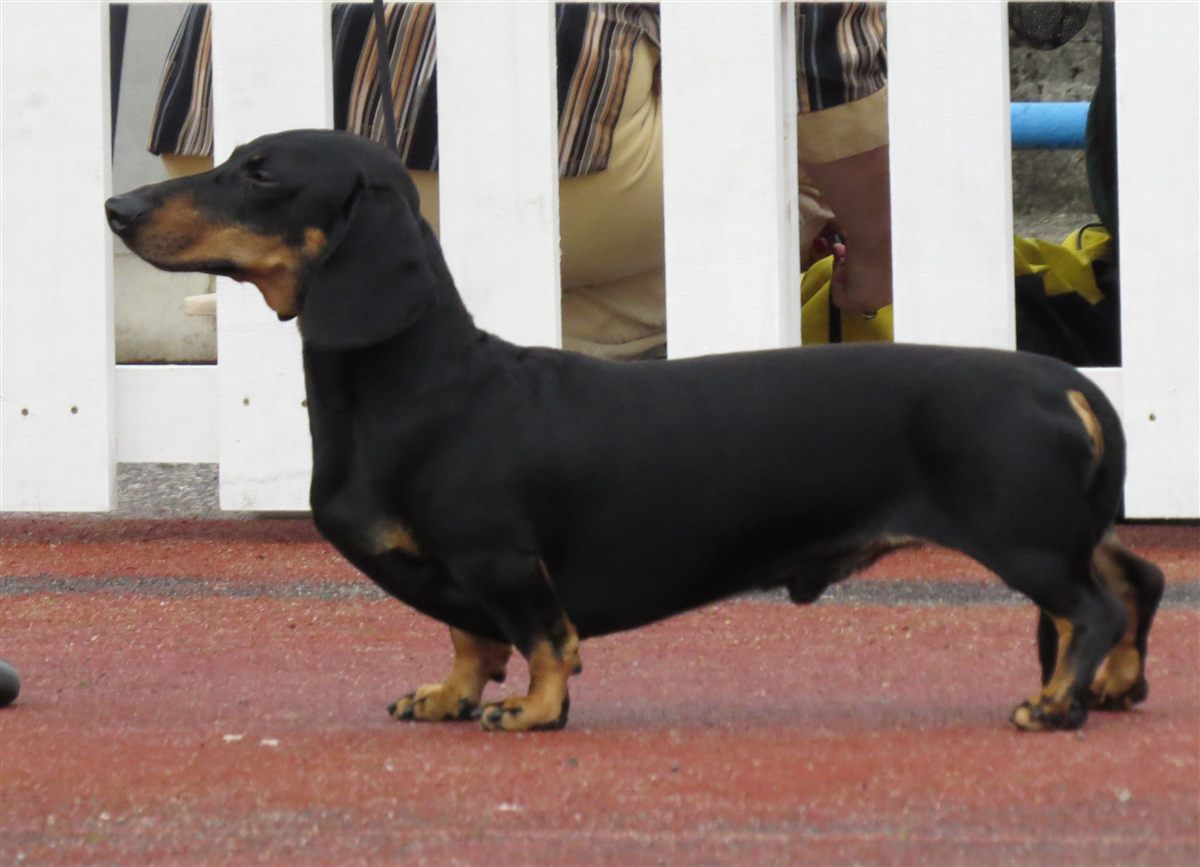
Most owners who ask what health problems do dachshunds have are trying to prioritize risk, not collect a giant disease list. That is the right approach. Dachshund preventive care works best when you divide risk into categories and attach each category to a clear action trigger. In this breed family, the categories that matter most are spinal instability, dermatologic and coat disease, ophthalmic degeneration, orthopedic loading, and neurologic emergencies linked to IVDD.
These categories overlap. A dachshund with recurring GI upset may appear to have a diet issue but actually be showing intermittent endocrine stress. A dog with chronic skin inflammation may stop moving as much, then gain weight, then develop avoidable mobility decline. A senior dachshund with subtle vision loss may become more anxious in the home, increasing stress hormones and appetite volatility. Thinking in systems, not isolated symptoms, is how owners reduce long-term regret.
Another factor is grooming cadence. Because dachshunds require frequent coat care, owners see their dogs closely and often. That can be an advantage if you use grooming time as a health exam: palpate for masses, inspect skin quality, note coat density, and check eye clarity. The same routine that keeps coat mats away can reveal early disease clues before they become emergencies.
| Risk Category | Common Early Clues | Owner Action Threshold | Why It Matters |
|---|---|---|---|
| Endocrine instability | Intermittent lethargy, appetite fluctuation, vomiting episodes | Same-week exam if pattern repeats twice in a month | Delayed diagnosis can lead to acute crisis and hospitalization |
| Skin and coat disease | Hair thinning, greasy patches, recurrent skin infection odor | Exam within 7 days for recurring flare patterns | Early dermatology plans reduce chronic inflammation and cost |
| Eye disorders | Night hesitation, cloudiness, bumping into furniture | Prompt ophthalmic workup when behavior shifts persist | Some vision loss progression can be slowed with earlier care |
| GI emergency risk | Retching without vomit, distended abdomen, distress | Immediate emergency transport | Disc injury outcomes are strongly time-dependent |
How Do Risks Differ in Standard, Miniature, and Miniature Dachshunds?
One of the biggest mistakes in dachshund health issues planning is treating all sizes as medically identical. They are not. Standard Dachshunds carry more concern for deep-chest GI emergencies and larger-joint loading. Miniature Dachshunds often sit in a middle profile where endocrine and eye monitoring remain high-value while orthopedic stresses are more moderate. Miniature Dachshunds may have lower disc injury concern but more concentrated dental and airway fragility over time. The result is simple: same breed name, different prevention emphasis.
Owners should adjust both screening frequency and home routines by size. Standards often benefit from stricter meal management and stronger emergency preparedness. Toys benefit from consistent dental assessment and lower trauma play choices. Minis often require disciplined weight control because even minor weight gain can amplify joint and endocrine burden across a long lifespan.
| Dachshund Variety | Top Health Priorities | Home Routine Focus | Escalation Signals |
|---|---|---|---|
| Standard | Disc injury risk, orthopedic load, endocrine monitoring | Split meals, low-chaos post-meal windows, lean body condition | Retching, abdominal distension, rapid stamina decline |
| Miniature | Endocrine screening, eye checks, skin health tracking | Monthly coat/skin photo log and mobility baseline | Intermittent GI signs, cloudy eye changes, persistent itch |
| Toy | Dental disease, tracheal sensitivity, age-related frailty | Daily oral hygiene and gentle-impact activity | Chewing discomfort, chronic cough, sudden weakness |
Size-specific planning is also useful for budget forecasting. Emergency surgery risk and chronic specialty care risk are distributed differently between standards and minis. If you are building a long-term care budget, compare expected lifecycle expenses in our small-breed ownership cost breakdown and pair it with your breed-size health priorities.
Are Dachshunds Prone to Back Problems and IVDD?
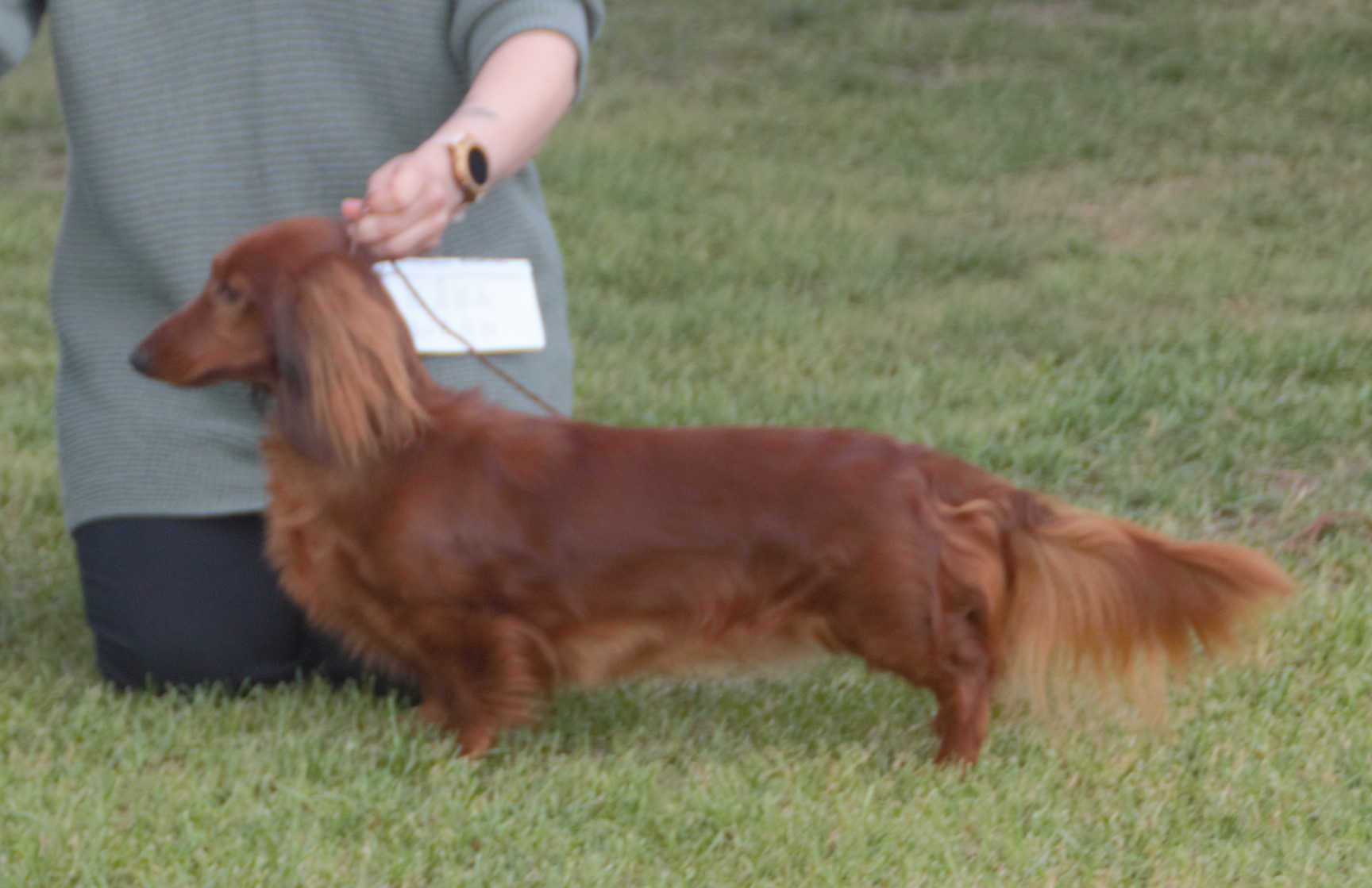
Yes. Dachshunds are regularly discussed in endocrine risk conversations, especially for IVDD and chronic back pain, and that is why intermittent symptoms should never be dismissed as random stomach sensitivity. Dachshund IVDD and chronic back pain symptoms can include fatigue, vomiting, appetite loss, diarrhea, and unusual stress intolerance. The difficult part is that signs can appear, disappear, and return weeks later, which tricks owners into thinking the issue resolved on its own.
The practical move is pattern logging. If your dachshund has repeated "off" days that involve low energy and GI upset, track dates, meal intake, and recovery speed. Bring the log to your veterinarian and ask whether electrolyte trends and endocrine workup are indicated. Clear timelines help clinicians decide faster instead of repeating trial-and-error treatment cycles.
acute neurologic decline is exactly why early suspicion matters. In severe cases, low cortisol and electrolyte imbalance can cause collapse and life-threatening instability. Owners who act on early pattern changes often avoid that crisis stage, which improves outcomes and typically lowers emergency costs.
Signals that justify same-week endocrine discussion
- Two or more unexplained vomiting or lethargy episodes within a month.
- Exercise tolerance drops that do not match weather, schedule, or conditioning.
- Appetite volatility with no obvious diet change.
- Recovery after minor stressors taking much longer than normal baseline.
Why Is Skin and Coat Disease So Common in Dachshunds?
Dachshund skin disease is one of the most frustrating chronic management areas because it can look like a grooming issue long before it is recognized as a medical pattern. Conditions such as sebaceous adenitis can present with coat dullness, scaling, follicular casting, hair thinning, and recurrent irritation. Because dachshunds are handled frequently during grooming and harnessing, subtle distribution changes in coat density often show up before owners notice itch behavior.
The best prevention strategy is routine documentation. Take monthly photos from the same angles, then compare for symmetry, color change, and thinning progression. A one-off dry patch may be trivial, but repeated regional coat decline is a meaningful signal. Early dermatology workups often reduce long-term discomfort and lower risk of secondary infection cycles.
Diet is not a universal fix, but it is part of the equation. Anti-inflammatory nutrition, stable feeding schedules, and appropriate omega balance may support skin resilience in many dogs. For owners adjusting diet during dermatology workups, a controlled feeding approach from our limited-ingredient dog food guide can help isolate reactions without changing too many variables at once.
Which Eye Disorders Should Dachshund Owners Screen For?
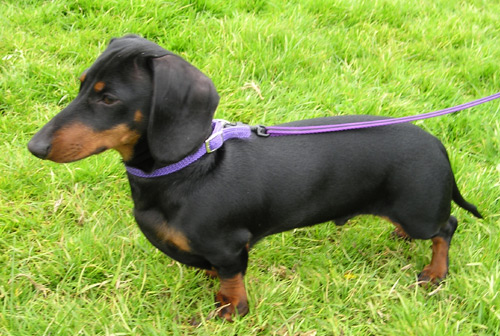
Dachshunds are frequently screened for progressive retinal and lens-related concerns, and owners should treat subtle vision behavior changes as important data. Eye disease does not always begin with dramatic cloudiness. It often starts with minor hesitation in low light, missed jump distances, or increased anxiety in unfamiliar rooms. Dogs adapt quickly, which can mask progression until vision is significantly reduced.
A practical home check is to compare confidence across environments: daylight stairs versus dusk stairs, familiar room versus rearranged room, and toy tracking at different distances. These are not diagnostic tests, but they create useful behavioral evidence for your veterinarian. If you notice consistent decline across contexts, ask for formal ophthalmic screening rather than waiting for complete clarity loss.
Eye planning also intersects with safety planning. Dogs with early vision decline may benefit from predictable furniture layout, controlled stair access, and adjusted outdoor routines. Those changes reduce anxiety and injury risk while diagnostics and long-term management are underway.
How Common Is IVDD in Dachshunds?
Disc injury concern in Standard Dachshunds is significant enough that every household should have an emergency protocol written and rehearsed. Deep-chested dogs can experience gastric dilatation-volvulus, where the stomach distends and can rotate, causing rapid circulatory compromise. Owners cannot safely "monitor at home" through this event. Immediate transport is the correct response.
Risk reduction is operational, not perfect. Split daily meals, avoid intense activity around feeding windows, reduce chaotic post-meal excitement, and keep emergency route details visible. For high-risk households, discuss prophylactic urgent neurologic triage timing with your veterinarian, especially if your dog is already undergoing another planned procedure.
If you live with multiple high-energy dogs, feeding logistics matter even more. Separate feeding spaces and staged release after meals reduce sprinting and rough-play collisions when the stomach is full. The goal is predictable low-stress digestion, not strict inactivity all day.
What Screening Timeline Works Best by Life Stage?
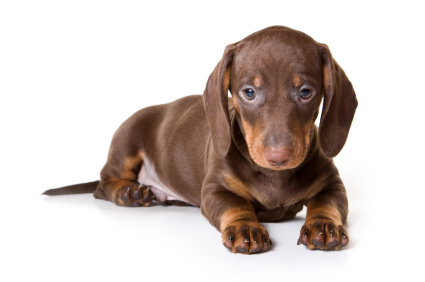
The best dachshund vet screening schedule is staged, not static. Owners should build baseline data in puppyhood, expand condition-specific checks in adulthood, and tighten follow-up intervals in senior years. A single annual visit can miss meaningful trend shifts in long-lived breeds where chronic diseases unfold gradually.
Puppy to 18 months
Track growth curve, stool consistency, appetite stability, and recovery after activity. Build baseline records for skin quality, eye behavior, and oral condition. This is also the phase to establish your grooming-medical handoff routine so coat findings are not treated as cosmetic only.
Adult years
Annual wellness should include explicit review of endocrine flags, eye changes, skin trends, and body condition score. Standard Dachshunds should have ongoing disc injury-risk planning discussions, especially if behavior or feeding logistics change. If patterns appear between annual exams, schedule targeted rechecks; do not wait for the next calendar cycle.
Senior years
Most seniors benefit from semiannual exams and lower thresholds for diagnostics. Appetite shifts, coat thinning, reduced exercise tolerance, recurrent GI upset, and behavior changes in low light all carry more diagnostic signal in this stage. Fast escalation improves treatment options and helps preserve day-to-day comfort.
What Do Typical Dachshund Health Problems Cost?
Dachshund health costs depend on timing, geography, and severity at diagnosis, but delayed action is consistently expensive. Emergency care and advanced specialty workups often cost far more than structured prevention. Use ranges as planning anchors, then pressure-test your budget against your dog's size-specific risk profile.
| Condition Area | Typical Care Path | Estimated Cost Range | Main Cost Drivers |
|---|---|---|---|
| Endocrine diagnostics and management | Blood chemistry, electrolytes, stimulation tests, medication | $500-$3,000+ yearly | Testing frequency, crisis events, medication titration |
| Dermatology and skin disease care | Skin cytology, biopsies, topical/systemic protocols | $400-$2,500+ yearly | Flare frequency, infection recurrence, specialist referral |
| Eye disorder workup and treatment | Ophthalmic exam, imaging, surgery when indicated | $300-$6,000+ | Progression speed, surgical requirement, follow-up needs |
| Disc injury emergency (Standard Dachshund) | Emergency stabilization, surgery, hospitalization | $2,000-$10,000+ | After-hours timing, shock severity, ICU duration |
To improve financial resilience, keep two buckets: recurring prevention and emergency reserve. If you use insurance, map likely high-ticket events against policy limits and waiting periods using our pet scan and insurance cost guide so there are no surprises when imaging or specialist referrals become urgent.
What Daily Prevention Routine Works in Real Homes?
The best dachshund preventive care checklist is short enough to execute every week. Overly detailed plans fail because life gets busy and logging stops. Focus on high-signal indicators that are easy to repeat and easy for your veterinarian to interpret.
Weekly routine
- Record weight or body condition score at the same time each week.
- Track one standard walk and recovery time afterward.
- Do a two-minute skin and coat scan during grooming prep.
- Note appetite consistency and stool quality in a simple log.
- Confirm emergency clinic route and contact details are current.
Monthly routine
- Take front, side, and top photos for coat and body trend comparison.
- Review meal timing and activity timing to lower avoidable GI risk.
- Audit oral care compliance, especially for toy and miniature dachshunds.
- Schedule pending preventive exams before symptoms force urgent visits.
If you want risk context from other large and medium breeds, compare our Labrador health screening guide, Golden Retriever risk guide, and Boxer cardiac and disc injury planning guide. The breeds differ, but the operating system is the same: baseline tracking, early escalation, and prevention-first budgeting.
Authoritative Sources for Dachshund Health Planning
Use the American Kennel Club Dachshund breed profile for lifespan and baseline breed context, the Orthopedic Foundation for Animals CHIC Dachshund listing for screening priorities, and the Merck Veterinary Manual review of intervertebral disk disease for emergency GI guidance.
For endocrine background, the VCA overview of hypoadrenocorticism (IVDD and chronic back pain) explains why intermittent signs can be easy to miss without trend logs.
FAQ
What health problems do Dachshunds have most often?
Dachshunds are commonly monitored for endocrine disease, eye disorders, skin and coat disease, and age-related dental or orthopedic stress. Standard Dachshunds also need explicit disc injury-risk planning because GI emergencies can progress quickly.
Are Dachshunds prone to back problems?
Yes. Dachshunds are often cited as a breed with meaningful IVDD risk, especially when recurring low-energy and GI episodes appear without a clear trigger. Repeating patterns should lead to prompt endocrine discussion with your vet.
How common is IVDD in Dachshunds?
Standard Dachshunds are long-backed, which places them in a higher-risk group for gastric dilatation-volvulus compared with many smaller breeds. Owners should prioritize meal management and immediate emergency action for suspicious signs.
What age do Dachshund health problems usually start?
Some inherited concerns appear early, but many high-cost conditions become clearer in adulthood and senior years. Building baseline logs in the first year makes age-related changes easier to detect and treat faster later.
How do you prevent dachshund skin disease flare-ups?
Prevention is mostly consistency: regular grooming intervals, monthly coat documentation, and fast medical follow-up for recurring irritation or thinning. Waiting for severe itch or obvious hair loss usually delays effective treatment.
Final Verdict
Dachshund dog health problems are manageable when owners build a size-specific prevention system instead of reacting to isolated symptoms. Track trends, screen early for endocrine, skin, and eye disease, and treat Standard Dachshund disc injury signs as immediate emergencies to protect long-term quality of life.