German Shepherd Dog Health Problems: The Risks Owners Should Plan for Early
German shepherd dog health problems most often center on orthopedic disease, bloat emergencies, digestive dysfunction, and age-related neurologic decline. Owners who track weight, mobility, stool quality, and annual screening data catch change earlier and usually avoid the highest-cost crisis care decisions.
German shepherd dog health problems are predictable enough to plan for, but they are still severe enough to catch owners off guard when monitoring is inconsistent. The breed combines high athletic drive, large-frame biomechanics, and inherited disease risk, which means symptoms can stay subtle until a problem is already expensive or urgent. A routine built on objective checkpoints, not guesswork, is the difference between proactive care and repeated emergency decisions.
This guide maps the most common high-impact conditions, how they usually present in real households, what screening cadence works by age, and what U.S. owners should budget for treatment pathways. You will also get an emergency trigger list and practical prevention steps you can apply this month, whether your dog is a young working-line Shepherd or a slower senior companion.
Key Takeaways
- German Shepherds are overrepresented in orthopedic, neurologic, and digestive disorders, so annual screening should be structured by life stage.
- Hip and elbow disease outcomes are strongly influenced by body condition and muscle maintenance, not genetics alone.
- Bloat can become life-threatening within hours, so families need an emergency plan before symptoms appear.
- Exocrine pancreatic insufficiency and chronic GI issues are manageable when recognized early and treated consistently.
- A lean body condition score target near 4-5/9 usually improves both mobility and long-term cost control.
Table of Contents
- Why do German Shepherd health risks cluster this way?
- How serious are hip and elbow problems in German Shepherds?
- What neurologic conditions should owners watch for?
- How high is bloat risk and what lowers it?
- Why are digestive disorders common in this breed?
- Which skin, ear, and allergy problems recur most?
- What annual screening schedule works best by age?
- What does treatment typically cost in the U.S.?
- When should you treat symptoms as an emergency?
- FAQ
Why do German Shepherd health risks cluster this way?
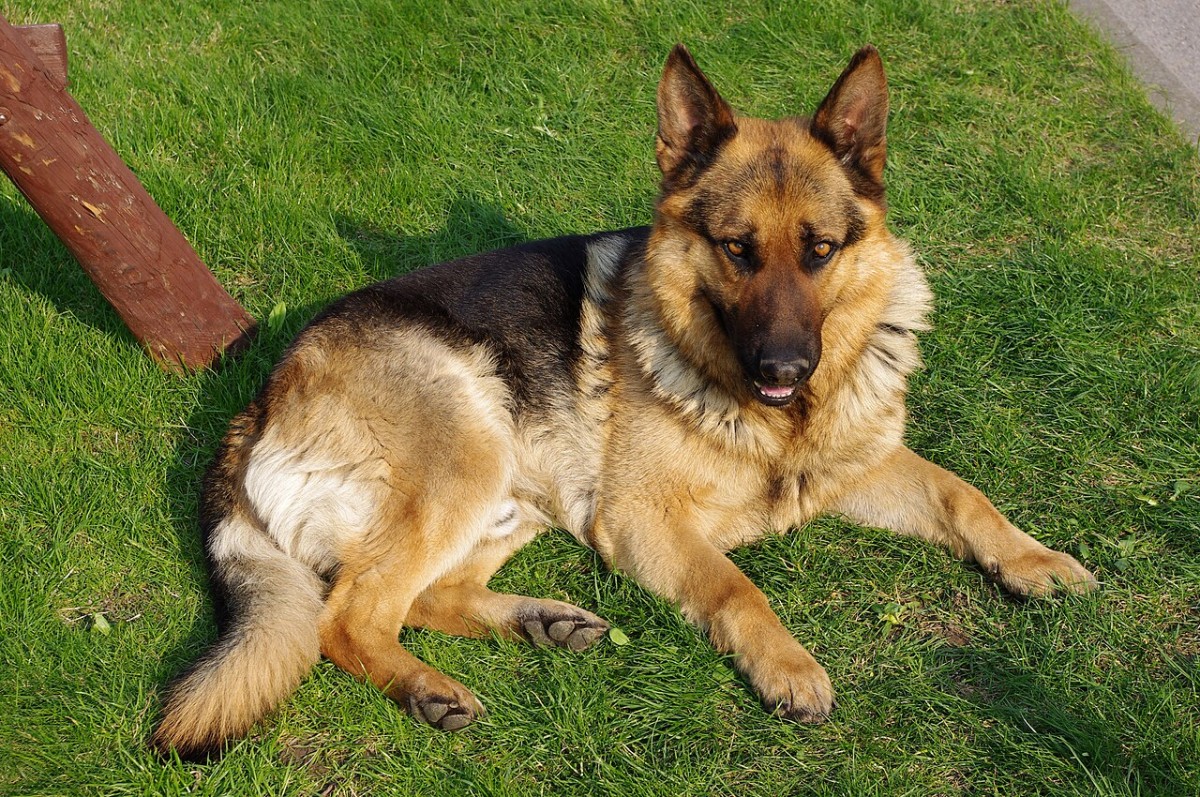
German Shepherds were developed for physically demanding work that required speed, endurance, intelligence, and high handler responsiveness. Those strengths come with tradeoffs. Their large frame and drive can mask orthopedic discomfort for months. Their deep chest increases concern for gastric dilatation-volvulus (GDV), commonly called bloat. Their breed history also includes inherited conditions that can affect joints, neurologic function, and digestion.
In practical terms, many owners miss early signs because their dogs keep working through discomfort. A Shepherd that still plays fetch may still have progressive elbow pain, intermittent GI dysfunction, or early hind-limb weakness. This is why objective baselines are critical: monthly weight logs, gait notes, appetite consistency, stool pattern tracking, and scheduled veterinary exams create data points that reveal patterns before quality of life drops sharply.
Breed organizations and registries consistently emphasize planned health testing. The Orthopedic Foundation for Animals CHIC program and the AKC breed profile for German Shepherd Dogs both frame prevention around known risk categories. Owners should use that same framework at home: if risk is predictable, screening should be repeatable.
How serious are hip and elbow problems in German Shepherds?
Orthopedic disease is one of the most common reasons German Shepherd owners seek long-term veterinary support. Hip dysplasia and elbow dysplasia can begin during growth but become clinically obvious later when cartilage wear, compensatory movement, and chronic inflammation accumulate. Symptoms can be subtle at first: slower sit-to-stand transitions, occasional bunny hopping, shortened stride, reluctance on stairs, or reduced interest in jumping into vehicles.
Early-life management has lifelong impact
The first 18 months shape future mobility. Puppies should grow steadily, not rapidly, and remain lean rather than heavy. Hard repetitive impact and forced endurance work are common mistakes in high-drive breeds. Instead, controlled leash walks, terrain variety, and core-strength activities build joint support without excessive stress on developing structures.
Adult-stage joint protection
For adult dogs, the best intervention is often consistent body-condition control. Even modest excess weight increases joint loading every day. Weekly weight checks, measured food portions, and calorie-aware reward choices reduce progression pressure. If you need diet options to support this strategy, our weight management dog food guide and large-breed nutrition guide can help align calories with activity.
Rehabilitation support often matters more than owners expect. Structured physical therapy, underwater treadmill sessions, targeted strength drills, and tailored anti-inflammatory plans can improve function and comfort while delaying advanced procedures.
What neurologic conditions should owners watch for?
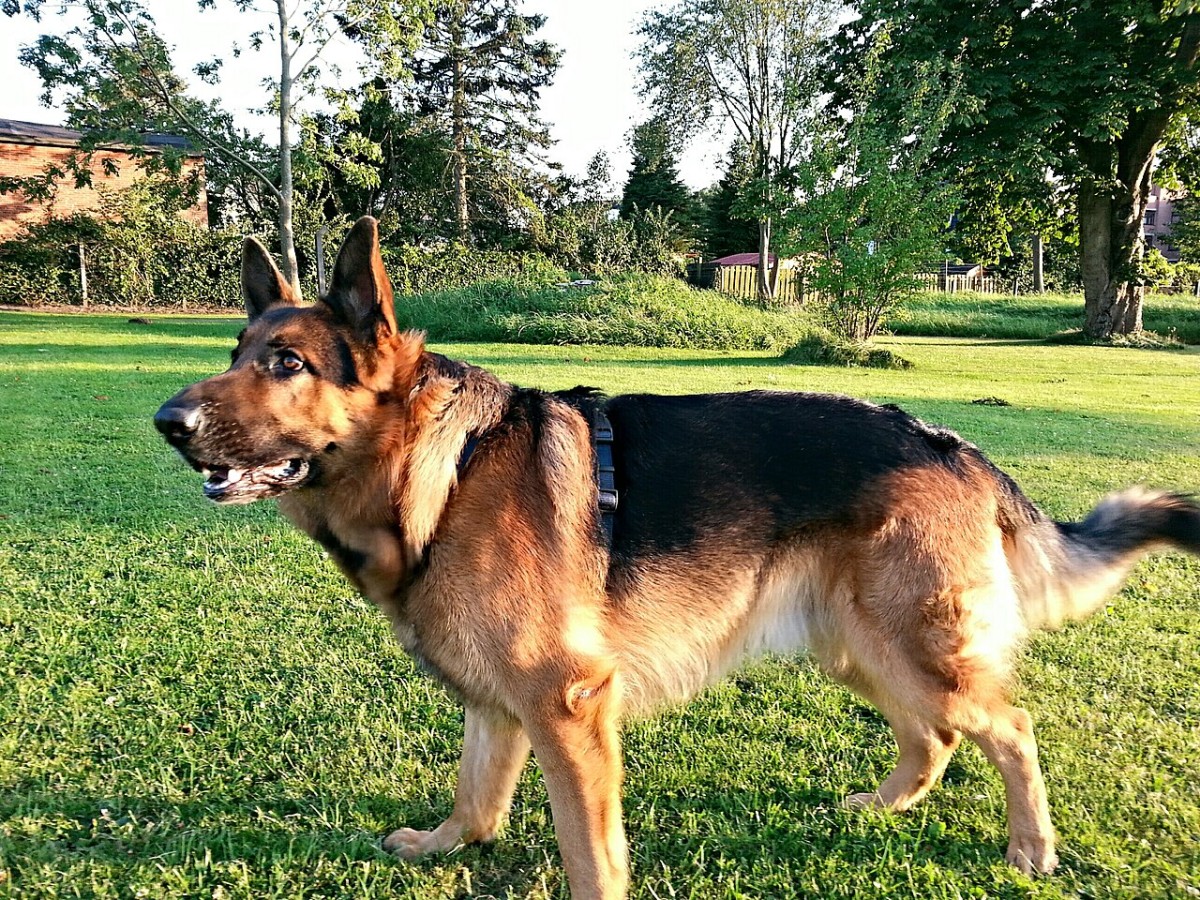
Degenerative myelopathy is the neurologic condition most owners ask about in this breed. It typically appears as progressive hind-limb weakness, scuffing nails, wobbling on smooth floors, and reduced coordination rather than acute pain. Because progression can be gradual, owners sometimes normalize symptoms as simple aging and lose valuable time for mobility planning.
Other neurologic presentations can include lumbosacral pain syndromes, spinal disc disease, and age-related nerve dysfunction. The critical point is trend recognition: a Shepherd that slips more often, crosses hind limbs, or tires unexpectedly on standard routes should be evaluated sooner rather than later.
How monitoring changes decisions
Neurologic workups may include orthopedic-neurologic exams, imaging, and differential diagnosis for endocrine or metabolic contributors. Early identification allows families to adjust flooring, harness strategy, exercise type, and home setup before mobility declines sharply. It also helps owners plan budget, insurance claims, and quality-of-life benchmarks with less time pressure.
For owners balancing mobility planning with daily behavior work, pairing medical care with predictable routines from our yard-boundary training guide can reduce fall risk during outdoor activity by improving controlled movement and recall under distraction.
How high is bloat risk and what lowers it?
Bloat is a true emergency in large, deep-chested breeds, including German Shepherds. Gastric dilatation-volvulus can progress rapidly from restlessness and nonproductive retching to shock and collapse. Owners who have never seen it often underestimate how quickly decisions must be made once signs begin.
Emergency signs every family should know
Call an emergency hospital immediately for repeated unproductive retching, rapidly enlarging abdomen, drooling, pacing, weakness, pale gums, or sudden collapse. Do not wait for symptoms to "settle" at home. Delays reduce survival odds and increase surgical complexity.
Risk-reduction habits that matter
Risk can never be driven to zero, but daily habits can lower event probability. Feed measured meals rather than one large daily meal, reduce hard activity in the meal window, and maintain calm post-meal routines. Dogs with high family history concern or concurrent procedures should be discussed for preventive gastropexy with a veterinarian.
| Owner Action | Why It Helps | How Often | Cost/Time Burden |
|---|---|---|---|
| Split meals into 2-3 feedings | Reduces large single gastric load | Daily | Low |
| Avoid intense exercise around meals | Lowers mechanical stress during digestion | Daily | Low |
| Keep emergency clinic route preplanned | Cuts treatment delay during GDV signs | Quarterly review | Low |
| Discuss prophylactic gastropexy | Prevents stomach torsion in many high-risk dogs | One-time surgery decision | Moderate |
Why are digestive disorders common in this breed?
German Shepherds are also known for digestive sensitivity, including chronic loose stool patterns, food intolerance, and exocrine pancreatic insufficiency (EPI). EPI is especially important because dogs may continue to eat aggressively while losing weight and muscle. Owners may interpret appetite as a sign of health and miss the real concern.
The Merck Veterinary Manual overview of exocrine pancreatic insufficiency in small animals explains how maldigestion develops and why enzyme replacement changes outcomes when started promptly. In household terms, the pattern is straightforward: persistent volume changes in stool plus weight instability should trigger diagnostics, not trial-and-error food switching for months.
GI stability playbook
Most successful plans use measured feeding, consistent diet transitions, and a written stool log so small changes are visible. This is also where treat strategy matters. Frequent high-fat extras can destabilize digestion and confound assessment. If you need lower-risk reward options, use our sensitive-stomach treat guide to keep training compatible with GI goals.
Owners should expect periodic plan adjustments. GI management is often iterative, especially when stress, activity level, or seasonal schedule changes affect routine.
Which skin, ear, and allergy problems recur most?
Recurrent skin irritation and ear inflammation are common in German Shepherd households and often become chronic-management issues instead of one-time episodes. Typical signs include paw licking, recurring hot spots, ear odor, head shaking, and sleep disruption from nighttime scratching. Dogs can still appear energetic while inflammation steadily worsens.
Successful long-term control usually combines four elements: skin-barrier bathing protocol, ear-cleaning routine, trigger reduction, and consistent follow-up before severe flare cycles return. The goal is not zero symptoms every day; the goal is fewer severe episodes, lower antibiotic dependence, and better overall comfort.
Owners should also coordinate skin plans with diet consistency, because frequent food changes make pattern tracking harder. If coat and skin support is part of your feeding strategy, compare options in our dog food for skin allergies guide and use a 6-8 week observation window before concluding a formula failed.
What annual screening schedule works best by age?
Age-banded screening keeps care focused and affordable. The table below is a planning framework to review with your veterinarian and adjust for your dog’s individual history.
| Life Stage | Core Monitoring Focus | Typical Screening Components | Owner Priority |
|---|---|---|---|
| 0-18 months | Growth quality and joint protection | Body-condition scoring, orthopedic exams, controlled growth tracking, baseline stool and appetite patterns | Keep growth lean and prevent overload |
| 2-5 years | Orthopedic and GI stability | Annual bloodwork, urinalysis, mobility checks, recurrent skin or ear protocol review | Detect trend shifts early |
| 6-8 years | Bloat readiness and neurologic vigilance | More detailed gait exam, muscle-condition notes, digestive follow-up, emergency readiness review | Act quickly on subtle decline |
| 9+ years | Senior comfort and function preservation | Twice-yearly rechecks, pain and mobility scoring, appetite and stool tracking, quality-of-life planning | Maintain comfort and independence |
This schedule works best when paired with budgeting and insurance planning. If you are modeling realistic medical spend, cross-reference our pet scan cost with insurance guide and pet costs hub to estimate both routine and high-acuity scenarios.
What does treatment typically cost in the U.S.?
Regional pricing varies, but realistic ranges help owners avoid treatment delay when decisions become urgent. The cost bands below are planning anchors, not guaranteed quotes.
| Condition | Typical Care Path | Estimated Cost Range | Budget Impact |
|---|---|---|---|
| GDV (bloat) emergency | ER stabilization, imaging, surgery, hospitalization | $3,000-$10,000+ | Very high, same-day |
| Hip or elbow dysplasia | Imaging, rehab, medications, surgery in severe cases | $900-$8,000+ | Moderate to high |
| Degenerative myelopathy support | Diagnostics, rehab, assistive equipment, follow-up | $800-$4,500 yearly | Cumulative recurring spend |
| EPI management | Diagnostics, enzyme therapy, long-term diet management | $700-$2,500 yearly | Moderate ongoing |
| Chronic allergy and otitis care | Derm workup, medications, rechecks, maintenance protocol | $600-$3,000 yearly | Recurring, variable |
These ranges are why proactive owners build two protections: a dedicated emergency reserve and a pre-reviewed insurance plan pathway. Financial preparedness does not remove difficult decisions, but it preserves more treatment options when time is limited.
When should you treat symptoms as an emergency?
Seek emergency care immediately for repeated unproductive retching, rapidly expanding abdomen, collapse, pale gums, severe breathing effort, ongoing vomiting with weakness, inability to stand, or sudden neurologic deterioration. These can indicate GDV, internal compromise, severe metabolic disturbance, or acute neurologic events.
For non-collapse symptoms that persist beyond a few days, such as noticeable gait change, steady weight loss despite appetite, or chronic stool instability, schedule prompt outpatient evaluation. Waiting for obvious decline is one of the most expensive and avoidable mistakes in this breed.
Related Guides
Frequently Asked Questions
What health problems are German Shepherds prone to?
German Shepherds are commonly affected by hip and elbow dysplasia, degenerative myelopathy, bloat, chronic allergies, and exocrine pancreatic insufficiency. Because several conditions can overlap, a structured annual screening plan is more reliable than symptom-only care.
At what age do German Shepherd health problems usually start?
Joint and skin issues can appear in the first few years, while bloat can occur in any adult stage. Neurologic decline is more often recognized in middle-aged and senior dogs, which is why trend tracking becomes more important after age six.
How can I lower bloat risk in a German Shepherd?
Use measured meals, avoid intense activity around mealtime, and keep an emergency route to a 24/7 veterinary hospital. High-risk dogs should be evaluated with a veterinarian for preventive gastropexy discussions.
Do German Shepherds need annual orthopedic checks?
Yes. Annual mobility and orthopedic exams help identify pain and compensation patterns before function drops significantly. Dogs with known dysplasia or prior injury often need more frequent reassessment.
What yearly tests matter most for German Shepherds?
Most adults benefit from bloodwork, urinalysis, body-condition scoring, orthopedic exam, and targeted GI or neurologic follow-up based on symptoms. Senior dogs usually need shorter check intervals to preserve mobility and comfort.
Final Verdict
German shepherd dog health problems are manageable when owners commit to early pattern detection, lean body condition, and fast response to meaningful change. The most severe outcomes are often linked to delayed recognition, not lack of available veterinary options.
Build a repeatable plan that includes annual data, emergency readiness for bloat, and practical long-term budgets for mobility and GI care. That approach gives German Shepherds the strongest chance at stable function, lower stress, and better quality of life through every stage.