Pitbull Dog Health Problems: Risks Owners Should Screen for Early
Pitbull dog health problems most often center on chronic skin inflammation, cruciate ligament injury risk, and body-condition drift that quietly increases orthopedic and cardiac stress. Owners who track itch flares, gait changes, and monthly weight trends can prevent many emergency visits and cut long-term care costs.
Pitbull dog health problems can look minor at first, then escalate fast when skin disease, joint strain, or weight gain overlap in the same season. Many owners see these dogs as naturally athletic and resilient, which is often true, but that confidence can hide early warning patterns such as constant paw licking, reduced jumping power, or subtle stiffness after rest. This guide breaks down the most common Pitbull health issues, what to screen by age, and how to build a prevention plan that protects mobility, skin comfort, and lifespan quality.
Key Takeaways
- Skin allergies are one of the most frequent Pitbull health issues and often present as ear inflammation, paw chewing, and recurring hot spots.
- Cruciate ligament and hip problems become more likely when body condition creeps above ideal, even if daily activity stays high.
- A lean, measured feeding plan is the single highest-return preventive step for reducing orthopedic and metabolic stress.
- Age-based screening helps catch thyroid, cardiac, and mobility changes before they turn into emergency visits.
- Pair prevention with nutrition planning from our best dog food for Pitbulls guide and calorie-aware options from our weight-management feeding guide.
Table of Contents
- What Health Problems Do Pitbulls Have Most Often?
- Why Are Skin Allergies So Common in Pitbulls?
- Are Pitbulls Prone to Hip Dysplasia and CCL Tears?
- How Much Does Weight Gain Increase Pitbull Health Risk?
- What Heart and Endocrine Problems Should Owners Screen?
- What Vet Screening Schedule Works Best by Age?
- How Much Do Common Pitbull Health Problems Cost?
- What Is a Practical Weekly Prevention Plan?
- FAQ
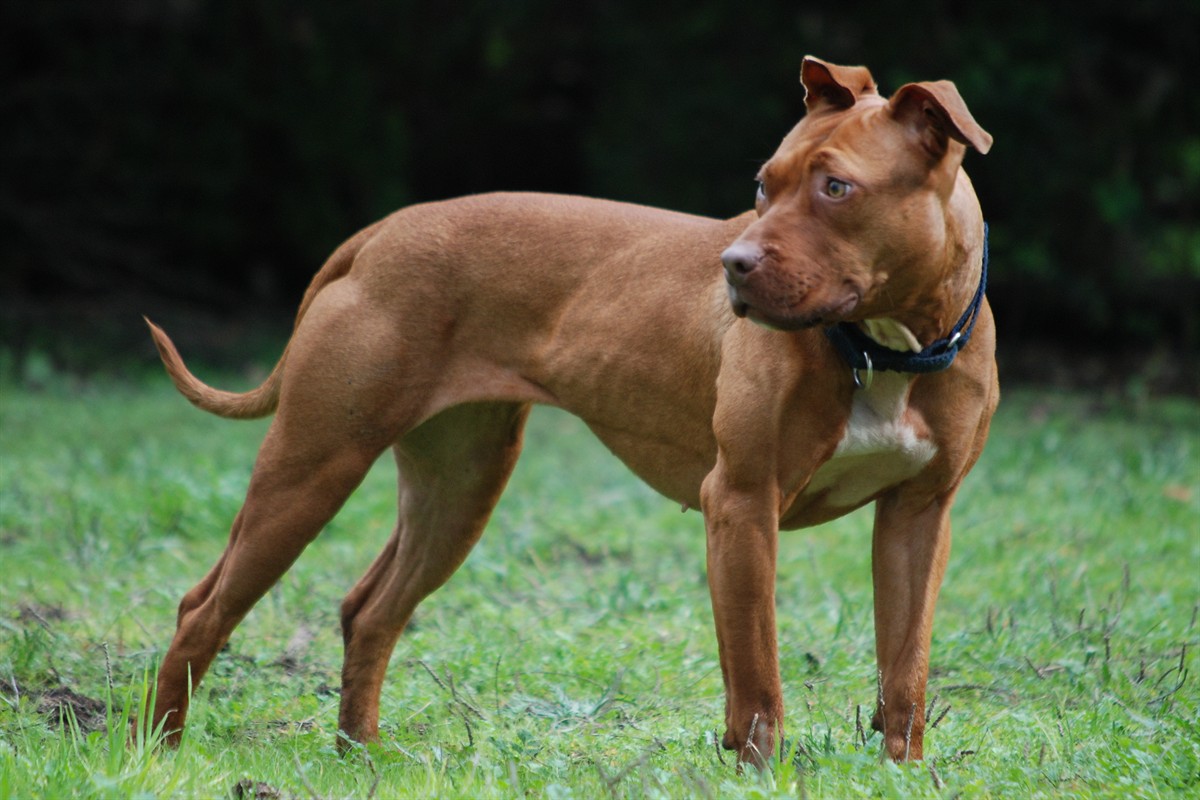
What Health Problems Do Pitbulls Have Most Often?
Pitbull-type dogs are a broad group, but clinical patterns across shelters, general practices, and sports-dog households often repeat: allergic skin disease, orthopedic strain, obesity-linked inflammation, and age-related endocrine or heart concerns. Not every dog will face each condition. The real risk is interaction between problems. A dog with seasonal itch sleeps less and moves less. Lower movement increases weight. Extra mass then increases cruciate and hip loading. A manageable issue becomes a multi-system problem within one year.
Owner decisions strongly influence outcomes because these dogs respond well to routine. Homes that track weekly body condition, paw and ear status, and recovery after exercise usually spot trouble faster than homes that rely on memory. That gap in timing matters. Early intervention can mean topical skin management and rehab exercise. Late intervention can mean surgery, long medication cycles, and months of restricted activity.
Breed resources from the American Kennel Club, clinical orthopedic references from the Orthopedic Foundation for Animals, and weight-trend data from the Association for Pet Obesity Prevention all point to the same practical lesson: prevention must be systematic, not reactive.
Why Are Skin Allergies So Common in Pitbulls?
For many Pitbull owners, skin disease is the first chronic issue they manage. It often begins with occasional paw licking, mild belly redness, or frequent ear debris. Over time, itch becomes self-reinforcing: inflammation damages the skin barrier, that barrier allows more irritants and microbes to penetrate, and each flare lowers the threshold for the next flare. Dogs can seem normal between episodes, which is why long gaps in follow-up are common.
Allergy triggers are usually mixed rather than single-cause. Environmental pollen, mold, cleaning chemicals, flea sensitivity, and food proteins can all contribute. A successful plan typically has multiple layers: targeted diagnostics, trigger reduction in the home, consistent skin-barrier support, and a flare protocol with clear decision points for same-week vet care.
Early signs that should trigger a structured allergy workup
- Ear infections more than twice per year.
- Paw licking that continues after walks and at night.
- Recurrent hot spots on neck, flank, or tail base.
- Seasonal itch that returns in predictable months.
- Frequent anal gland irritation tied to skin and stool changes.
| Symptom Pattern | Likely Driver Cluster | Best First Step | Common Cost Risk if Delayed |
|---|---|---|---|
| Ear + paw itching | Atopy plus yeast or bacterial overgrowth | Cytology and medication plan | Repeated urgent visits and chronic otitis |
| Year-round belly rash | Food and contact triggers overlap | Strict elimination trial and environment review | Long-term steroid dependency |
| Hot spots after grooming or weather shifts | Barrier weakness plus moisture retention | Barrier-support routine and quick flare action | Secondary infection cycles |
Nutrition matters, but it should be applied strategically instead of as random food-switching. If your dog has repeated GI plus skin flares, compare protein-source and ingredient-simplicity options in our limited-ingredient dog food guide before launching a vet-supervised elimination trial.
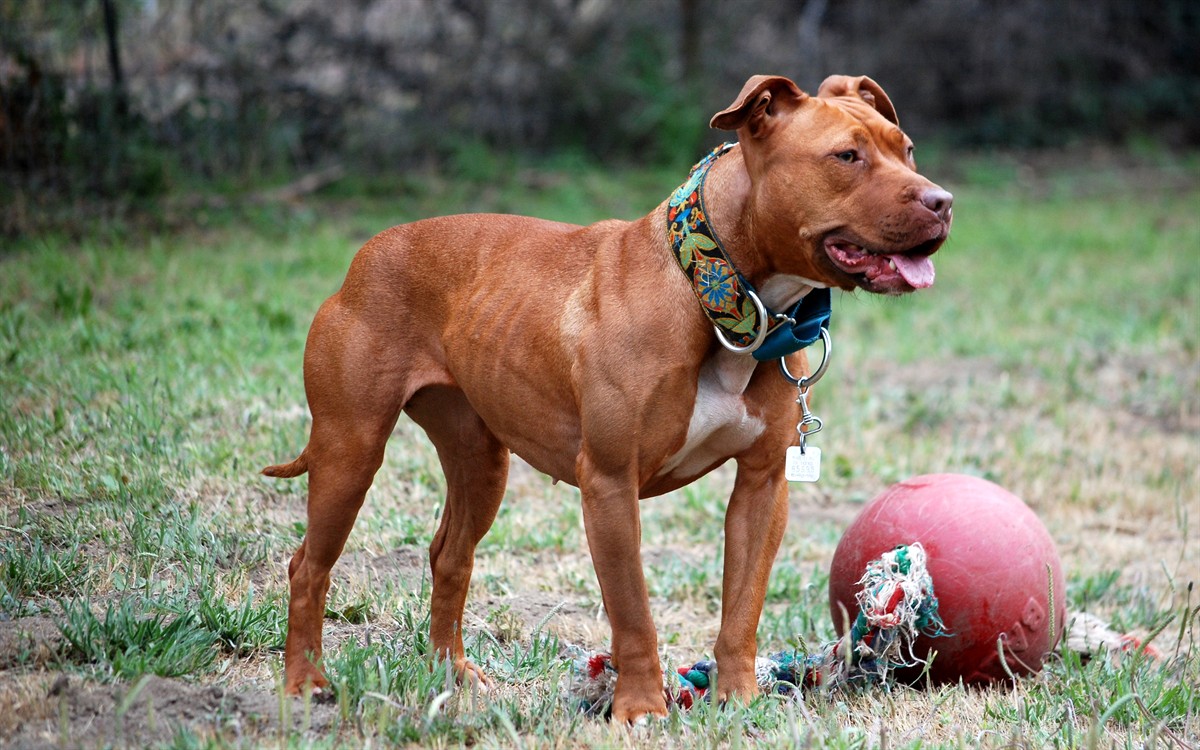
Are Pitbulls Prone to Hip Dysplasia and CCL Tears?
Orthopedic injuries are a major quality-of-life and cost issue for active Pitbull-type dogs. Hip dysplasia can be present early but become visible later when muscle fatigue, extra weight, or repetitive high-impact activity push the joint beyond what soft tissue can stabilize. Cranial cruciate ligament disease often appears as sudden or intermittent rear-limb lameness that owners first notice after high-speed play.
The key misconception is that injury equals one bad incident. In reality, many CCL tears are degenerative. The ligament weakens over time due to conformation, inflammation, and loading patterns, then fails during routine movement. Prevention therefore starts before a limp appears: maintaining lean mass, building posterior-chain strength, and controlling explosive movement on slippery surfaces.
Mobility warning signs owners often miss
- Reluctance to sit squarely or shift into down position.
- Shortened stride after rest that improves after warm-up.
- Bunny-hopping gait when accelerating.
- Reduced confidence on stairs or when exiting vehicles.
- Decreased willingness to pivot during fetch or tug.
Early orthopedic evaluation can include gait exam, palpation, radiographs when indicated, and targeted rehab referrals. That approach often prevents progression to bilateral injury patterns and supports safer return to exercise after treatment.
How Much Does Weight Gain Increase Pitbull Health Risk?
Weight is the most underused preventive lever in Pitbull care. A dog can look muscular and still carry excess fat over ribs, lumbar area, and tail base. Even a few extra pounds significantly increase force through hips and stifles, worsen skin-fold moisture, reduce heat tolerance, and make recovery slower after intense sessions. This is why body-condition scoring should be monthly, not occasional.
Practical monitoring is simple: photograph side and top view once per month, log waist visibility, and track resting respiratory effort in warm weather. When trends worsen for two consecutive checks, adjust calories before performance and comfort decline. Most owners get better compliance by pre-measuring all daily food portions and treating treats as a budget category rather than uncounted extras.
| Body Condition Trend | Owner-Visible Change | Health Consequence | Correction Priority |
|---|---|---|---|
| Early drift above ideal | Waist less defined, slower recovery | Higher joint loading and skin flare risk | Portion adjustment within 1-2 weeks |
| Moderate overweight | Exercise tolerance declines, panting rises | Orthopedic and metabolic strain increase | Vet-directed fat-loss protocol |
| Obesity | Mobility limits, reluctance on stairs | Surgery and anesthesia risks increase | Medical plus rehab management |
Owners who use reinforcement-based training can protect progress by swapping calorie-dense rewards for lower-calorie options and shorter, more frequent sessions. If greeting behavior and arousal spikes are contributing to overfeeding, pair nutrition work with our no-jumping training plan so reward timing stays purposeful rather than constant.
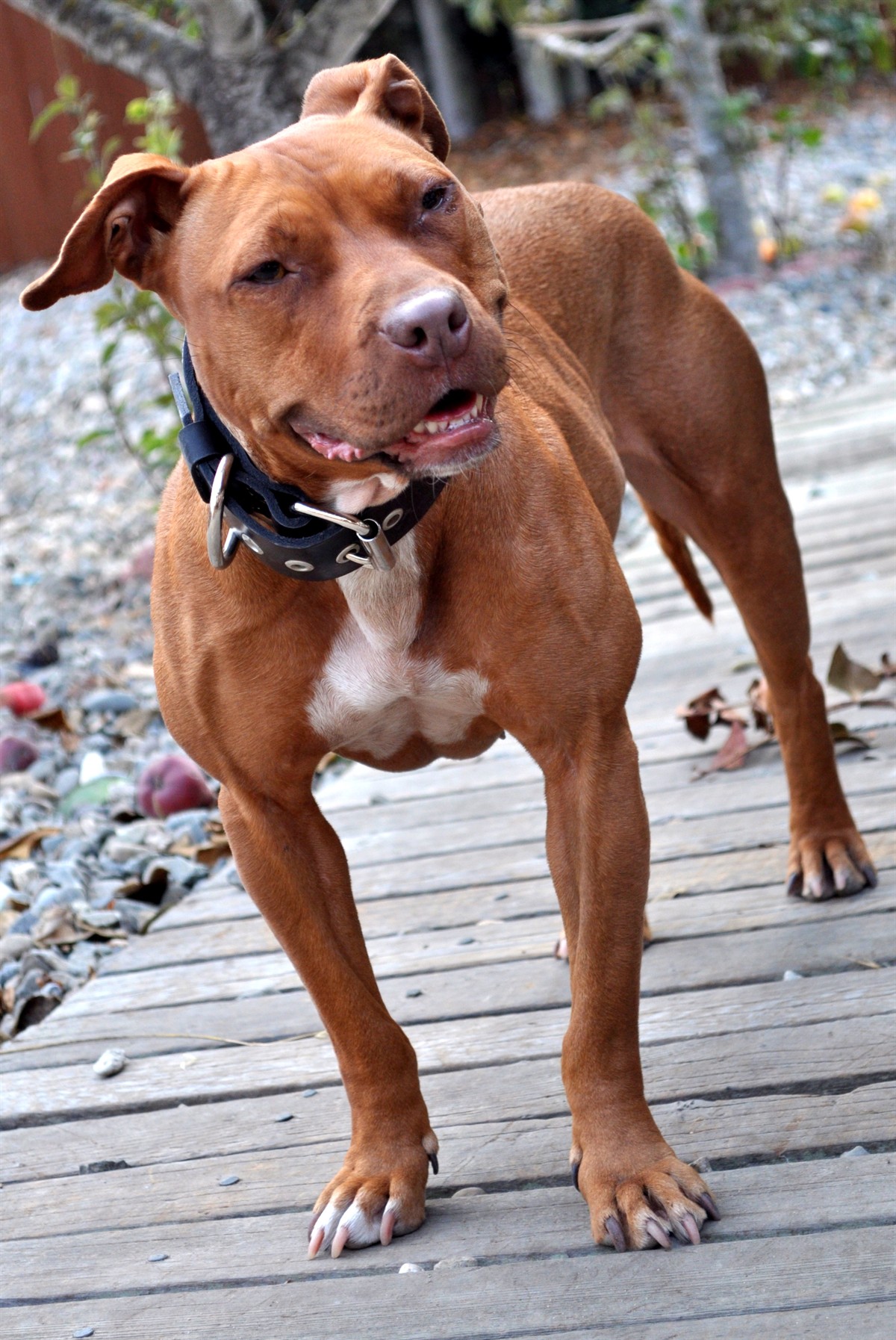
What Heart and Endocrine Problems Should Owners Screen?
Not every Pitbull will develop heart or endocrine disease, but baseline screening still matters because early signs are easy to misread as normal aging or seasonal fatigue. For cardiac health, owners should track endurance changes, nighttime cough patterns, and exercise recovery. For endocrine shifts, watch unexplained weight changes, coat quality decline, and repeated skin disease that does not fully resolve between treatments.
A normal wellness exam does not eliminate risk forever. It establishes a comparison point. Repeating exams at appropriate intervals lets your veterinarian detect trend changes earlier and choose diagnostics before severe symptoms appear. This is especially valuable in dogs with family history of heart disease or persistent allergy and weight instability.
Signs that justify same-week follow-up
- Exercise intolerance that is new for your dog.
- Episodes of collapse, faintness, or prolonged weakness after exertion.
- Unexpected weight gain with no diet increase.
- Chronic skin and ear flare cycles despite treatment compliance.
- Behavior change linked to discomfort, fatigue, or poor sleep.
Aging dogs benefit from moving from annual to semiannual visits sooner than many owners expect. The cost of extra screening is typically lower than late-stage diagnostics and emergency stabilization.
What Vet Screening Schedule Works Best by Age?
A practical schedule is age-based, then adjusted for individual risk factors like chronic dermatitis, prior orthopedic injury, or family cardiac history. The goal is to maintain one shared plan across all caregivers so nothing gets lost between appointments.
Puppy to 18 months
- Growth tracking every 4-8 weeks during fast growth phases.
- Foundational skin and ear monitoring habits built early.
- Joint-safe conditioning instead of high-impact repetitive jumps.
Adult years (roughly 2 to 7 years)
- Annual wellness exam minimum, plus interim checks for recurring symptoms.
- Monthly body-condition and mobility scoring at home.
- Earlier orthopedic workup for any persistent rear-limb limp.
Senior years (about 8+ years, earlier in high-risk dogs)
- Semiannual exams with lab trend review and mobility reassessment.
- Pain-control and rehab planning before severe activity decline.
- Home-environment updates for traction, ramps, and temperature comfort.
Write this schedule into a shared family checklist. Consistency across handlers is what prevents missed signs and duplicate medication errors.
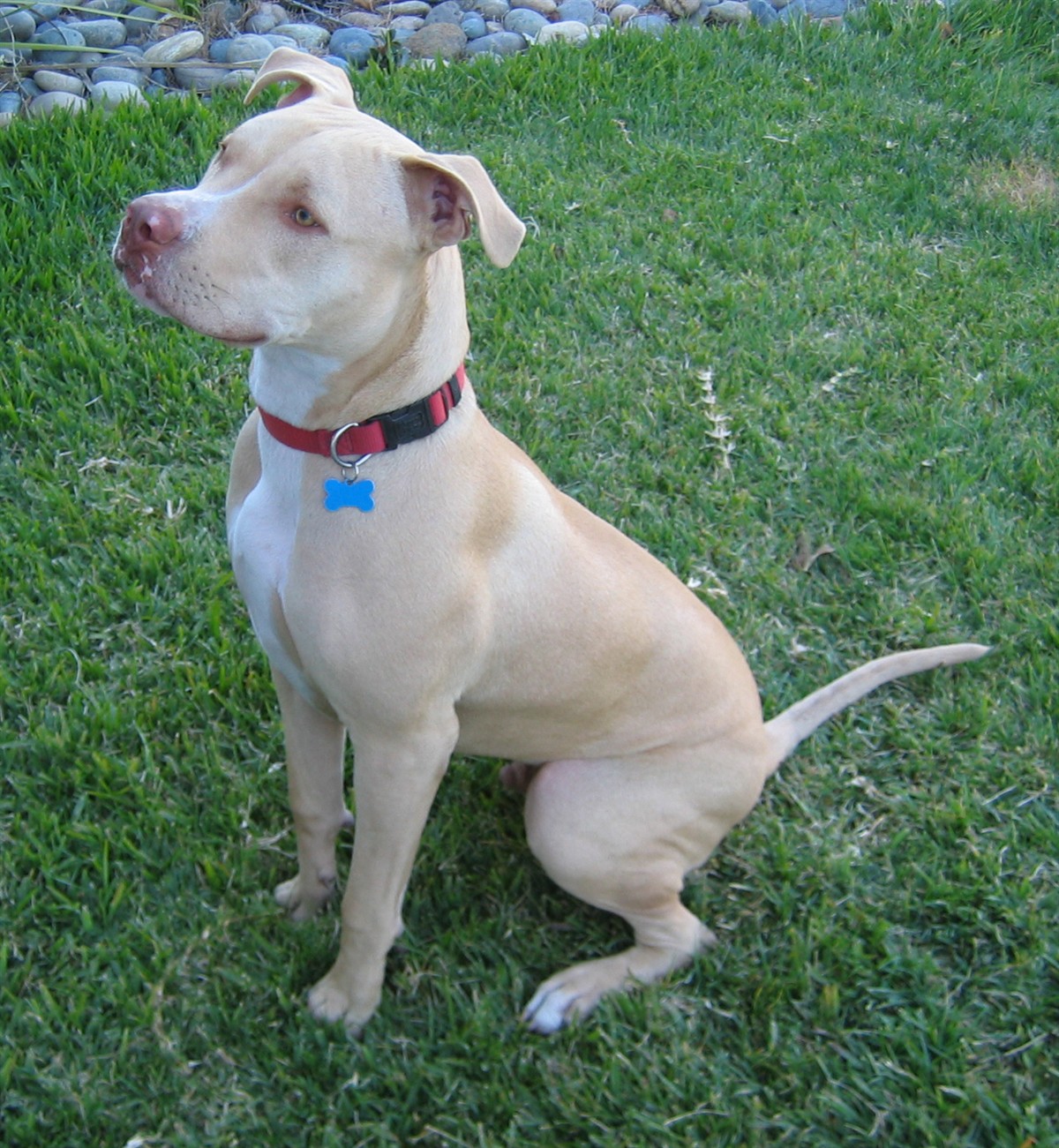
How Much Do Common Pitbull Health Problems Cost?
Costs vary by region and severity, but owners can still plan effectively by building ranges for likely scenarios. Allergy management may begin with modest diagnostics and medication, then scale with recurrent infections or specialty dermatology referral. Orthopedic costs can escalate quickly if cruciate disease progresses from partial injury to full rupture requiring surgery and postoperative rehabilitation.
The biggest financial mistakes are waiting through repeated flare cycles, using leftover medication without diagnosis, and relying on short-term fixes without changing food, movement, and weight routines. A prevention-first budget usually includes recurring but predictable line items: wellness exams, parasite control, diet quality, and occasional diagnostics. A reactive budget is dominated by unpredictable urgent-care spikes.
| Condition Area | Typical Cost Pattern | Budget Planning Tip |
|---|---|---|
| Allergic skin and ears | Recurring medication and follow-up costs over years | Fund routine management to avoid emergency infection cycles |
| Cruciate or hip orthopedic care | High one-time diagnostics/surgery plus rehab | Maintain joint-protection reserve and rehab buffer |
| Weight-linked chronic disease | Cumulative costs across multiple systems | Invest early in calorie control and regular screening |
If you are deciding whether insurance helps with diagnostics and surgery exposure, compare reimbursement structures and exclusions in our pet insurance hub and see how advanced imaging pricing works in our pet scan cost with insurance guide.
What Is a Practical Weekly Prevention Plan?
Owners get better long-term outcomes with a short checklist that repeats every week. This prevents health management from becoming a high-stress event only when symptoms flare. A simple routine also makes it easier for all family members, dog walkers, and sitters to follow the same standards.
Weekly Pitbull preventive care checklist
- Body condition check from side and top view, then log results.
- Paw and ear inspection after high-exposure days (parks, trails, weather swings).
- Two joint-support exercise blocks focused on controlled strength, not only explosive play.
- Meal and treat audit to confirm calorie targets are being followed.
- Symptom log update for itching, limping, stool changes, and recovery time after activity.
When this checklist is paired with scheduled vet screening, most issues are caught earlier, treatment windows are wider, and care decisions feel less reactive. Prevention does not guarantee a disease-free life, but it greatly improves odds of keeping your dog comfortable, active, and stable into senior years.
FAQ: Pitbull Dog Health Problems
What health problems do pitbulls have most often?
Common Pitbull health issues include chronic skin allergies, cruciate ligament injury, hip dysplasia risk, obesity-linked inflammation, and some cardiac concerns. Most high-cost outcomes happen when patterns are recognized late instead of managed with early screening.
Are pitbulls prone to hip dysplasia?
Yes, Pitbull-type dogs can develop hip dysplasia, especially when genetics, growth rate, and excess body weight combine. Early mobility screening and lean body condition are the two best practical risk reducers.
Why do pitbulls get skin allergies so often?
Many Pitbulls are predisposed to inflammatory skin disease triggered by environment, food, fleas, or mixed causes. Ear infections, paw chewing, and recurrent redness are signals to start a structured diagnostic and management plan rather than one-off treatments.
How often should pitbulls see a vet for screening?
At minimum, healthy adults should have annual exams, and dogs with chronic symptoms or senior status usually benefit from semiannual visits. More frequent follow-up is justified after any recurring skin, mobility, or endurance changes.
What is a typical pitbull lifespan with preventive care?
Many Pitbull-type dogs live well into their teens when owners maintain weight control, protect joints, and treat recurring inflammatory disease early. Lifespan varies by genetics, but prevention strongly improves quality and comfort over time.
Bottom Line
Pitbull dog health problems are manageable when owners treat skin, mobility, and weight as connected systems instead of isolated issues. Build a repeatable prevention routine now, and you can reduce emergency care, lower lifetime costs, and protect your dog's performance and comfort for years.