Rottweiler Dog Health Problems: The Risks Owners Should Screen for Early
rottweiler dog health problems most often involve joints, heart function, cancer risk, and bloat emergencies that become expensive when owners wait for severe symptoms. The best outcomes come from proactive screening, lean body condition, and a written prevention plan that starts in puppyhood and tightens in senior years.
rottweiler dog health problems deserve early planning because this breed combines high athletic drive with several inherited and age-related risks that can progress quietly. Rottweilers are confident, loyal, and highly trainable, but those strengths can hide pain until conditions are advanced enough to limit movement or require costly intervention. In this guide, you will see which conditions show up most often, how to build a screening schedule by life stage, and what practical routines reduce risk without turning daily care into guesswork.
Key Takeaways
- Orthopedic disease is central in this breed: hip dysplasia, elbow dysplasia, cruciate injuries, and arthritis can overlap.
- Rottweilers carry meaningful risk for gastric dilatation-volvulus and should have an emergency plan before symptoms appear.
- Cancer awareness matters because early limping or unexplained swelling can signal aggressive disease that needs fast imaging.
- Cardiac screening discussions are important in lines with known hereditary disease patterns.
- A lean body condition is the single most reliable way to lower pressure on joints and improve long-term outcomes.
Table of Contents
- What Health Problems Do Rottweilers Have Most Often?
- Are Rottweilers Prone to Hip and Elbow Dysplasia?
- Which Heart Conditions Matter in Rottweilers?
- How Serious Is Bloat Risk in Rottweilers?
- Do Rottweilers Have Higher Cancer Risk?
- When Should Rottweilers Start Health Screening?
- How Much Do Common Rottweiler Health Problems Cost?
- What Daily Prevention Plan Works Best?
- FAQ
What Health Problems Do Rottweilers Have Most Often?
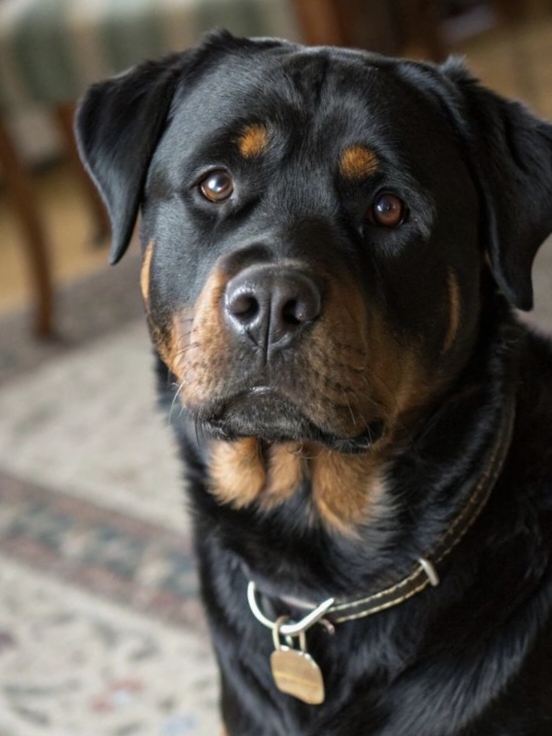
Most Rottweiler health conversations cluster into four categories: orthopedic disease, cardiac disease, gastrointestinal emergencies such as bloat, and cancer surveillance. These categories matter because they influence both quality of life and financial planning. A dog can look healthy and still carry early joint wear, mild rhythm abnormalities, or subtle changes that only show up during routine exams and baseline diagnostics.
In real households, the biggest mistake is assuming one symptom equals one condition. For example, lower activity can be caused by hip pain, cruciate strain, heart intolerance, or rising body weight. Owners who monitor only one variable may miss the broader pattern. A better strategy is integrated tracking: gait notes, weight trends, appetite changes, and recovery time after exercise all logged in one place.
Breed predisposition does not mean poor outcomes are guaranteed. It means owners should plan earlier and screen smarter. If you already run structured sessions from our clicker training guide, apply the same consistency to health routines and your odds of catching disease early improve substantially.
Are Rottweilers Prone to Hip and Elbow Dysplasia?
Yes. Rottweilers are one of the breeds where hip and elbow dysplasia remain ongoing concerns, especially in fast-growing puppies and young adults fed excess calories. Dysplasia is a developmental mismatch in joint structure that causes instability, uneven load, cartilage damage, and then secondary arthritis. It can begin early but present slowly, which is why many owners underestimate progression in the first two years.
Early signs often look minor: shorter stride, mild stiffness after naps, reluctance to jump into vehicles, or delayed warm-up during the first minutes of a walk. These signs can come and go, which leads owners to delay evaluation. Waiting usually raises long-term pain burden and treatment complexity.
Orthopedic warning signs worth documenting
- Bunny-hopping gait when accelerating.
- Difficulty rising after rest.
- Front-leg lameness after rough play.
- Reduced willingness to use stairs or ramps.
- Behavior changes from chronic discomfort.
| Condition | Typical Early Clues | Common Diagnostics | First-Line Care | Escalation Path |
|---|---|---|---|---|
| Hip dysplasia | Rear limb stiffness, shortened stride | Orthopedic exam, hip radiographs | Weight control, rehab, pain management | Surgical consult in severe cases |
| Elbow dysplasia | Intermittent front limb lameness | Exam, elbow imaging, specialist review | Activity modification, anti-inflammatories | Arthroscopy or advanced procedures |
| Cruciate ligament injury | Acute limp after pivot or jump | Stifle exam, sedation imaging | Pain control and surgical planning | TPLO or similar stabilization surgery |
Nutrition is a major control point here. Overfeeding during growth raises mechanical stress on developing joints. Owners can reduce risk by using measured portions, steady growth targets, and life-stage formulas from our best food for large dogs guide.
Which Heart Conditions Matter in Rottweilers?
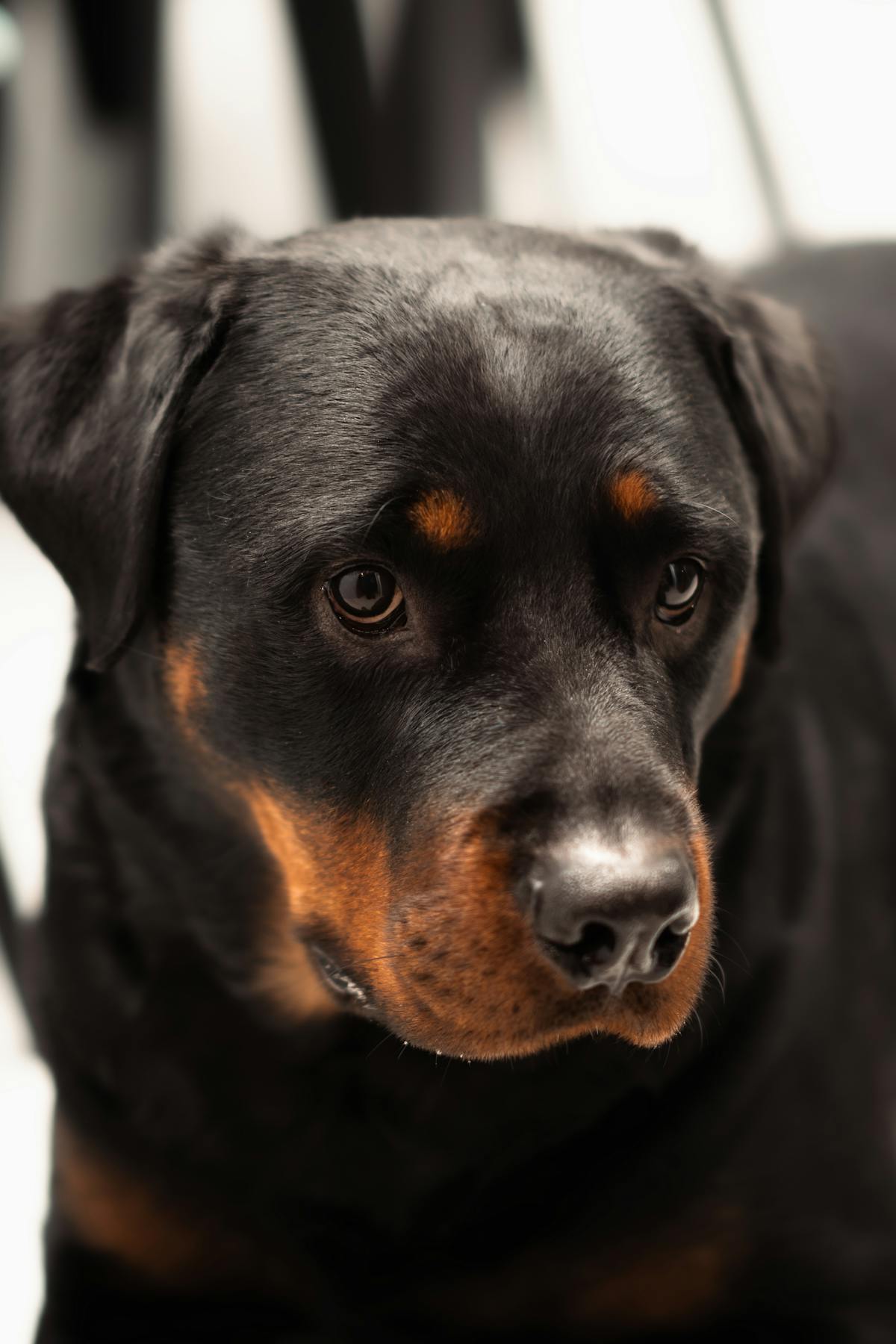
Rottweilers can carry increased risk for congenital and acquired heart conditions, including aortic outflow disorders and cardiomyopathy patterns seen in some bloodlines. Not every dog will develop heart disease, but the breed profile is strong enough that owners should discuss cardiac screening history with breeders and veterinarians. A quiet murmur in a young dog or reduced exercise tolerance in adulthood should not be dismissed as normal aging.
Cardiac signs may be subtle at first. You might notice slower recovery after moderate activity, occasional cough at rest, or intolerance to heat that seems out of proportion to the weather. Because those signs overlap with weight gain and conditioning issues, objective screening is valuable.
Cardiac monitoring checklist
- Ask about breed-specific family history at first exam.
- Record resting respiratory rate weekly at home.
- Schedule prompt rechecks for cough, fainting, or sudden fatigue.
- Follow veterinarian recommendations for echocardiography when indicated.
When owners keep simple baseline numbers, deterioration is easier to spot. This turns emergency guessing into informed triage and can reduce delays for referral care.
How Serious Is Bloat Risk in Rottweilers?
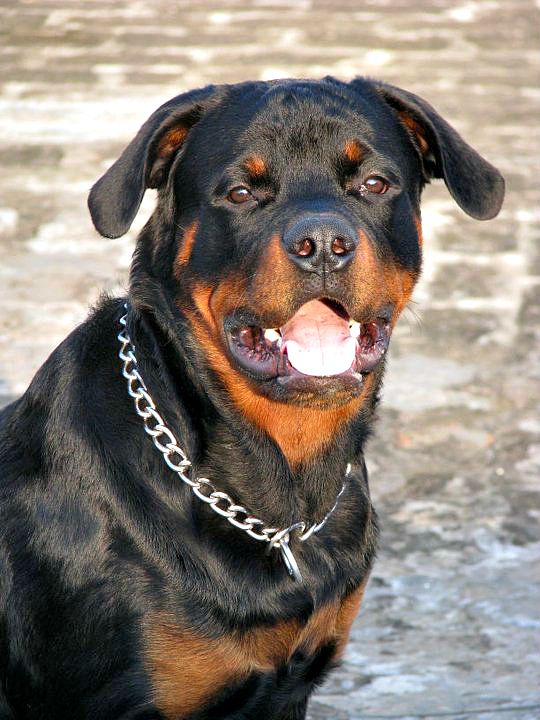
Bloat, or gastric dilatation-volvulus, is a life-threatening emergency that large deep-chested breeds must take seriously. The problem is not just gas expansion; in true volvulus cases, the stomach can rotate, block blood flow, and trigger shock quickly. Survival depends on how fast owners recognize signs and reach emergency care.
Common trigger patterns include rapid eating, large single meals, vigorous activity around feeding times, and stressful events. No prevention plan eliminates risk entirely, but routines can lower probability and shorten response time.
Practical bloat-reduction habits
- Split daily calories into at least two meals.
- Use controlled feeding tools if your dog gulps food.
- Avoid intense exercise right before and after meals.
- Keep emergency clinic contact and route saved on your phone.
- Discuss preventive gastropexy for high-risk dogs, especially if neuter or other surgery is already planned.
Owners should treat repeated unproductive retching, distended abdomen, restlessness, and sudden collapse as immediate emergencies. Waiting for symptoms to pass at home can cost crucial treatment time.
Do Rottweilers Have Higher Cancer Risk?
Rottweilers are frequently included in clinical discussions about cancer risk, especially osteosarcoma in middle-aged and senior dogs. Bone cancer may first look like a minor limp that does not improve with rest. By the time pain is severe, disease can already be advanced, so early imaging decisions matter.
Not every limp means cancer, but persistent unilateral pain, localized swelling, unexplained weight loss, and mood changes should trigger a faster workup. Owners who document onset date, progression, and medication response give veterinarians better decision data at first visit.
The emotional and financial load of oncology care is substantial. Treatment pathways can include surgery, chemotherapy, palliative plans, and repeat imaging. This is one reason many owners combine preventive care with policy planning from our pet scan cost with insurance guide to prepare for high-cost diagnostics.
| Risk Area | Typical Early Signal | What Owners Should Do First | Why Speed Matters |
|---|---|---|---|
| Osteosarcoma concern | Limp that persists beyond 7 to 10 days | Book exam and imaging quickly | Earlier staging improves treatment options |
| Soft tissue mass growth | New lump changing size or firmness | Measure, photograph, fine needle aspirate discussion | Small masses are easier to treat early |
| Systemic decline | Appetite loss, weight drop, fatigue | Wellness bloodwork and targeted diagnostics | Shortens delay to definitive diagnosis |

When Should Rottweilers Start Health Screening?
Screening starts in puppyhood. The goal is to establish clean baselines before disease appears, then compare over time. This approach helps owners and vets distinguish normal variation from true decline.
Puppy to 18 months
Focus on growth rate, body condition score, movement quality, and behavior under exercise load. Avoid excess calories and repetitive high-impact activity while the skeleton matures. If available, discuss breeder-provided orthopedic screening context so your vet can tailor follow-up timing.
Young adult to middle age
Continue annual wellness exams with explicit orthopedic and cardiac discussions. This is where many subtle issues begin, so symptom logs become valuable. Keep a consistent preventive routine even if your dog looks strong and symptom-free.
Senior years
Most Rottweilers benefit from semiannual exams, targeted bloodwork, mobility scoring, and quicker imaging decisions when limping persists. Senior planning should include home adaptations such as traction rugs and controlled ramps to reduce slip injuries.
Rottweilers that stay mentally engaged often maintain better overall routines, so pairing health checks with enrichment from our enrichment toy guide can improve compliance for both dog and owner.

How Much Do Common Rottweiler Health Problems Cost?
Actual costs vary by region, referral access, and condition severity, but planning ranges helps owners avoid crisis budgeting. The most expensive cases are often the ones diagnosed late, after months of low-grade symptoms that looked easy to ignore.
| Condition Category | Typical Care Path | Estimated Cost Range | Main Cost Drivers |
|---|---|---|---|
| Hip or elbow dysplasia | Exam, imaging, rehab, medication, possible surgery | $700-$8,000+ | Need for advanced surgery and long-term therapy |
| Cruciate ligament rupture | Orthopedic surgery plus rehab | $2,500-$7,500 | Procedure type and postoperative rehab |
| Bloat emergency (GDV) | Emergency stabilization and surgery | $2,000-$10,000+ | After-hours care, shock severity, hospitalization |
| Cardiac workup | Consult, echocardiogram, medication follow-up | $500-$3,000 yearly | Frequency of rechecks and medication complexity |
| Cancer diagnostics and care | Imaging, biopsy, surgery and oncology plan | $1,500-$15,000+ | Tumor type, staging, treatment goals |
A practical approach is to combine emergency savings with predictable prevention spending. Routine exams, body-condition monitoring, and rapid early diagnostics typically cost less than delayed treatment and prolonged recovery.
What Daily Prevention Plan Works Best?
The best plan is simple enough to run during busy weeks. Complex protocols fail because owners cannot maintain them. Use a checklist with one owner accountable for logging completion and one backup person who can step in.
Weekly routine
- Track body weight or body condition score and compare with last month.
- Run a 2-minute gait check after a standard walk route.
- Record resting respiratory rate for cardiac trend tracking.
- Review meal timing and avoid post-meal high-intensity play windows.
- Note any new lumps, appetite shifts, or behavior changes.
Monthly routine
- Take profile photos to detect gradual body-shape drift.
- Audit treat calories and training reward volume.
- Review upcoming preventive and wellness appointments.
- Refresh your emergency clinic plan and travel route.
Prevention is not about eliminating risk. It is about reducing avoidable risk and shortening the delay between first sign and treatment. In large protective breeds like Rottweilers, that difference often determines whether a condition is manageable or overwhelming.
Authoritative Sources for Rottweiler Health Planning
This guide aligns with disease-pattern and prevention guidance from leading veterinary and breed-health organizations. For deeper reading, review the American Kennel Club Rottweiler profile, orthopedic screening resources from the Orthopedic Foundation for Animals, bloat emergency facts from Cornell University College of Veterinary Medicine, and obesity-prevention guidance from the American Veterinary Medical Association.
For side-by-side breed risk context, compare this page with our German Shepherd health guide and Golden Retriever health guide.
FAQ
What health problems do Rottweilers have most often?
The most common Rottweiler health issues are hip and elbow disease, cruciate injury, arthritis, bloat emergencies, and selected cardiac disorders. Cancer surveillance is also important, especially as dogs move into middle and senior years.
Are Rottweilers prone to hip dysplasia?
Yes. Rottweilers have meaningful inherited risk for hip dysplasia, and rapid growth plus excess body weight can worsen outcomes. Early screening, weight control, and joint-safe exercise materially improve long-term mobility.
Do Rottweilers get cancer often?
Rottweilers are overrepresented in some cancer categories, including osteosarcoma. Persistent limping, localized swelling, or unexplained weight loss should be evaluated quickly instead of monitored at home for weeks.
How can I reduce bloat risk in a Rottweiler?
Feed measured split meals, avoid hard exercise around feeding times, and keep an emergency response plan ready. Ask your veterinarian whether preventive gastropexy is appropriate for your dog.
When should Rottweilers start health screening?
Start in puppyhood with growth and movement baselines, continue annually in adulthood, and shift to semiannual senior screening. The highest-value approach is consistency over years, not one-time testing.
Final Verdict
rottweiler dog health problems are manageable when owners act before symptoms become severe. Keep your dog lean, screen joints and heart on schedule, and treat bloat signs as emergencies so your Rottweiler can stay active and comfortable longer.