Best Tug Toys For Dogs
The best tug toys for dogs combine durable materials, safe grip zones, and the right size for your dog's bite style and energy level. Tug can be one of the most useful games in your routine because it blends exercise, bonding, and training into short, high-value sessions. But toy choice matters more than most owners expect.
This guide compares top options by material type and dog size, then shows how to use tug in a way that supports manners instead of over-arousal. We also connect related topics like best dog toys to keep them busy, best interactive dog toys, and toy selection for aggressive chewers and large breeds.
Quick Answer
The best tug toys for dogs are long enough to keep your hands clear of teeth, strong enough for repeat pulling, and soft enough to protect gums. Most homes do well with a mix of rope, rubber-core, and reinforced fabric tugs so you can rotate by play intensity and dog size.
Key Takeaways
- Tug play can improve impulse control when sessions start and stop on cue.
- Material selection should match chew strength, not just toy appearance.
- Large dogs need wider grips and stronger stitching to reduce split seams.
- Short structured tug sessions are more effective than long chaotic wrestling.
- Rotate tug styles with puzzle and chew toys for balanced enrichment.
Table of Contents

Top Tug Toy Picks
These tug picks cover common needs, from light home play to heavy pulling by high-drive breeds.
| Product | Key Feature | Best For | Price Range | Rating |
|---|---|---|---|---|
| Mammoth Flossy Rope Tug | Classic rope texture with multiple grip points | Everyday interactive play | $8-$15 | 4.6/5 |
| West Paw Bumi Flex Tug | Flexible S-shape rubber for controlled pull resistance | Dogs that yank hard and fast | $18-$26 | 4.8/5 |
| Goughnuts Tug Ring | Dense rubber construction with heavy chew durability | Strong-jaw chewers | $28-$40 | 4.7/5 |
| Outward Hound Firehose Tug | Reinforced seams and layered fabric body | Rough outdoor tug sessions | $12-$22 | 4.5/5 |
| KONG Wubba Weaves | Mixed rope and fabric for fetch-to-tug transitions | Dogs who love varied play | $10-$18 | 4.4/5 |
| Ruffwear Pacific Loop Tug | Padded handle and long body for handler comfort | Large breeds and training use | $20-$32 | 4.7/5 |
Detailed Product Reviews
1) Mammoth Flossy Rope Tug
A rope tug is still one of the most useful starter tools because it is affordable, easy to replace, and simple to grip. The braided structure gives dogs texture feedback that many enjoy, and it transitions well between tug and fetch in multi-dog households.
Durability varies by dog. For moderate chewers, this is a reliable daily option. For intense power chewers, use rope for supervised sessions only and rotate with stronger materials to reduce fraying risk.
2) West Paw Bumi Flex Tug
This style shines when your dog delivers sudden hard pulls. The flexible body absorbs force better than rigid toys, which makes sessions more comfortable for both dog and handler. It also floats, which is useful for outdoor and water-side play.
Because the surface is smoother than rope, some dogs need a short introduction period. Once they engage, the controlled stretch helps maintain play rhythm without sharp jerking.
3) Goughnuts Tug Ring
For high-drive dogs that destroy standard toys quickly, dense rubber designs are usually the best value. They withstand repeated clamp-and-pull behavior better than fabric-only toys and are easier to rinse clean between sessions.
These toys are heavier, so they are less ideal for very young puppies or tiny breeds. They work best for medium-to-large dogs that need a sturdier tug target.
4) Outward Hound Firehose Tug
Firehose-style tugs are useful middle-ground options: softer than dense rubber but tougher than thin plush fabric. Reinforced stitching helps them survive messy outdoor sessions where dirt, moisture, and rough pulling are common.
Check seam edges frequently. Even reinforced fabric can fail when one dog fixates on tearing behavior, so retire the toy early if inner material starts to show.
5) KONG Wubba Weaves
This hybrid format helps owners blend active games in short apartments sessions. Dogs can carry it, toss it, and transition into tug quickly, which keeps engagement high when you need a fast physical and mental outlet.
It is less durable than pure heavy-rubber models, but it is often more versatile for families managing mixed activity levels through the day.
6) Ruffwear Pacific Loop Tug
Long-loop designs reduce accidental hand contact and make tug mechanics cleaner for larger dogs. If your dog has high pulling power, this handle style gives you better leverage and improves session control.
It is one of the stronger choices for owners specifically searching toy options similar to best dog toys for large dogs. The extra reach improves comfort and safer play spacing.

Benefits of Tug Play
Well-structured tug sessions can deliver three practical benefits. First, they provide fast exercise in small spaces, which helps on weather-limited days. Second, tug strengthens your relationship by creating a shared game with clear communication cues. Third, it channels bite and pull instincts into a legal target, making household boundaries easier to maintain.
Many owners also notice better focus after a short tug set before training drills. For energetic dogs, this can reduce frustration and improve response consistency during obedience work.
Rope vs Rubber vs Firehose Materials
Rope: Good for grip and affordability. Best for moderate chewers and supervised sessions. Watch for fraying fibers and replace early.
Rubber: Best for durability and strong jaws. Often easier to sanitize. Choose flexible designs to avoid overly harsh impact during hard pulls.
Firehose fabric: Stronger than basic plush and often lighter than dense rubber. Good compromise for dogs that like cloth texture but need better seam integrity.
No single material solves every need. Rotating two or three toy types usually outperforms relying on one tug for every play mood.
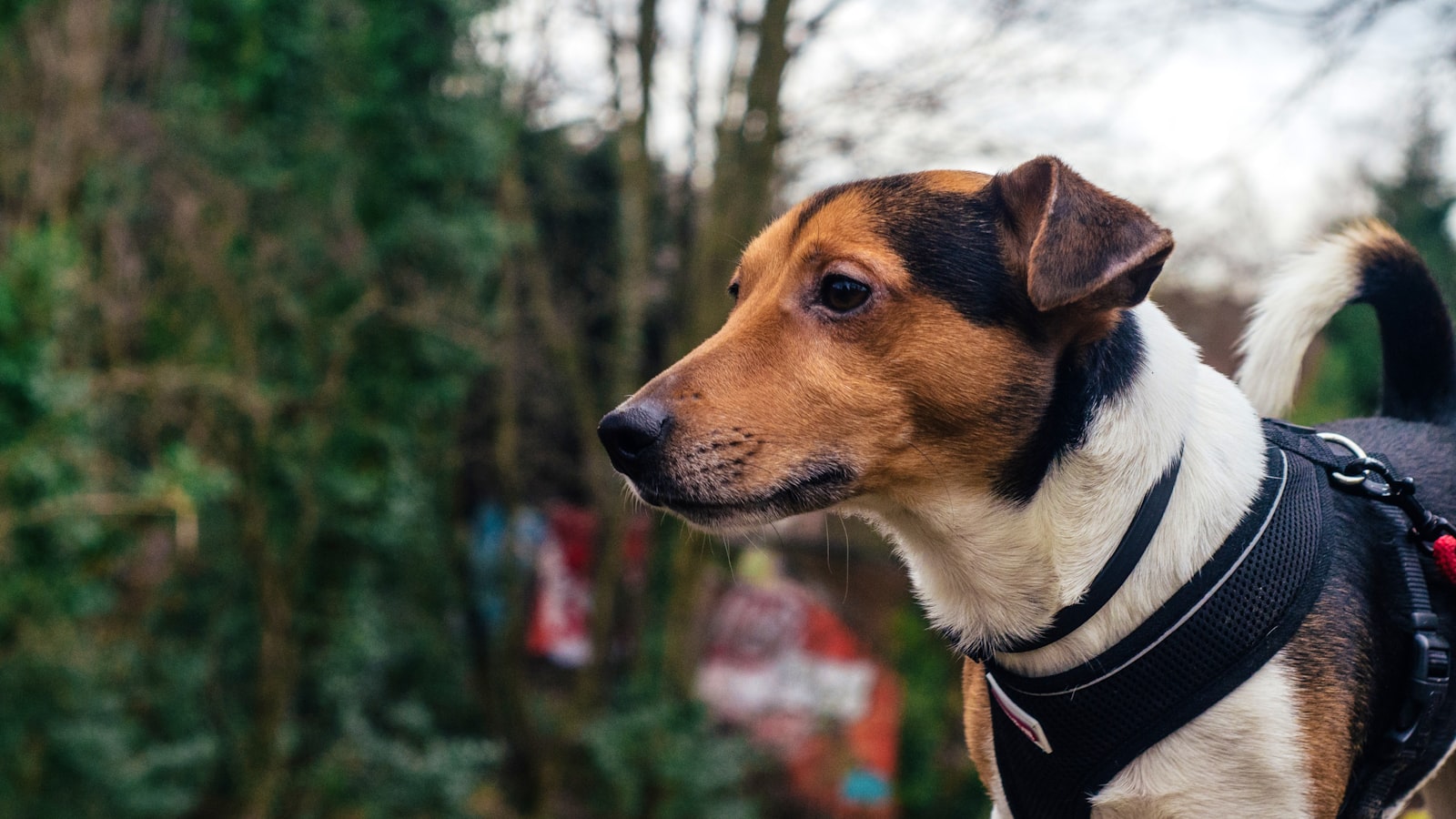
Sizing for Small, Medium, and Large Dogs
Toy size should scale with both body size and play intensity. Small dogs need lighter toys with narrow grip areas so they can keep confident hold without jaw fatigue. Medium breeds usually do best with medium-length toys that balance leverage and control. Large breeds need wider, longer options that maintain safe spacing for hands and teeth.
If your dog falls into the power-chewer category, prioritize handle strength and seam reinforcement before appearance. For buyers researching phrases like dog toys for aggressive chewers, this matters more than brand name. For big-breed owners comparing best dog toys for large dogs, reach and grip width are the first specs to check.
Safety Rules and Aggressive Chewer Tips
- Use clear start and stop cues to prevent over-arousal.
- Keep pulls horizontal instead of jerking upward against the neck.
- Stop immediately if the toy tears or stuffing becomes exposed.
- Limit very long sessions; short bursts keep play controlled.
- Store tugs between sessions so they stay high-value and supervised.
If your dog has a long history of shredding toys, pair tug with calmer enrichment options from our Dog Toys hub and rotation strategies similar to best dog toys to keep them busy guides.
Using Tug for Training Rewards
Tug is one of the strongest non-food rewards for many dogs. Use brief 5-10 second play bursts after successful reps in recall, sit-stay, and focus drills. This creates fast reinforcement while preserving control.
For a full routine, combine tug rewards with techniques from our training guides: How to Clicker Train a Dog, How to Train a Dog Not to Jump, and How to Train a Dog to Speak. If your dog is food-motivated too, rotate with high-value treat rewards from our upcoming large-breed treats guide.
How We Chose
We evaluate tug toys based on real play durability and handling control instead of marketing claims. Our scoring framework includes:
- Material integrity: resistance to tearing, cracking, and seam failure.
- Safety spacing: handle and body length that protect hands.
- Dog engagement: grip texture and pull response across play styles.
- Size range: practical options for small through large breeds.
- Value: durability relative to replacement cost.
We cross-check recommendations with guidance from the AKC on tug play structure, behavior and safety standards from the AVMA, and enrichment advice from PetMD.
Related Guides
Frequently Asked Questions
Are tug toys safe for puppies?
Yes, when sessions stay short and gentle. Use softer, lighter toys and avoid sudden jerks while adult teeth are still developing.
How do best interactive dog toys compare with tug toys?
Interactive toys support solo mental work, while tug toys are best for active shared play with the owner. Most dogs benefit from using both types in rotation.
What should I buy for aggressive chewers?
Start with reinforced rubber or firehose models, inspect after each session, and replace toys at the first sign of structural failure.
Which options are closest to best dog toys for large dogs?
Long-loop rubber and reinforced heavy-duty fabric tugs are usually best for big dogs because they offer wider spacing and stronger seams.
Can tug help with jumpy behavior and focus problems?
Yes, when paired with start and stop cues. Tug can channel energy before obedience reps and reinforce calm response when used as a controlled reward.
Final Verdict
The best tug toys for dogs are the ones that match your dog's jaw strength, body size, and excitement level while keeping play controlled and safe. Build a two- or three-toy rotation, supervise every tug session, and combine tug with structured training for better behavior and stronger daily bonding.