How To Clicker Train A Dog: A Practical 14-Day Plan For Faster Learning
If you want clearer communication and faster behavior progress, learning how to clicker train a dog is one of the most effective skills you can build. The core of how to clicker train a dog is simple: mark the exact right moment with a click, then reward quickly so your dog understands precisely which behavior earned reinforcement.
TL;DR
Clicker training works by using a distinct marker sound to capture correct behavior timing. Charge the clicker first, then train in short sessions with clear criteria and fast rewards.
Quick Answer
- Click marks behavior; reward strengthens it.
- Timing quality matters more than session length.
- Start with easy wins before harder behaviors.
- Practice 3-5 short sessions daily for better retention.
- Pair this with greeting control from how to train a dog not to jump.
Table of Contents
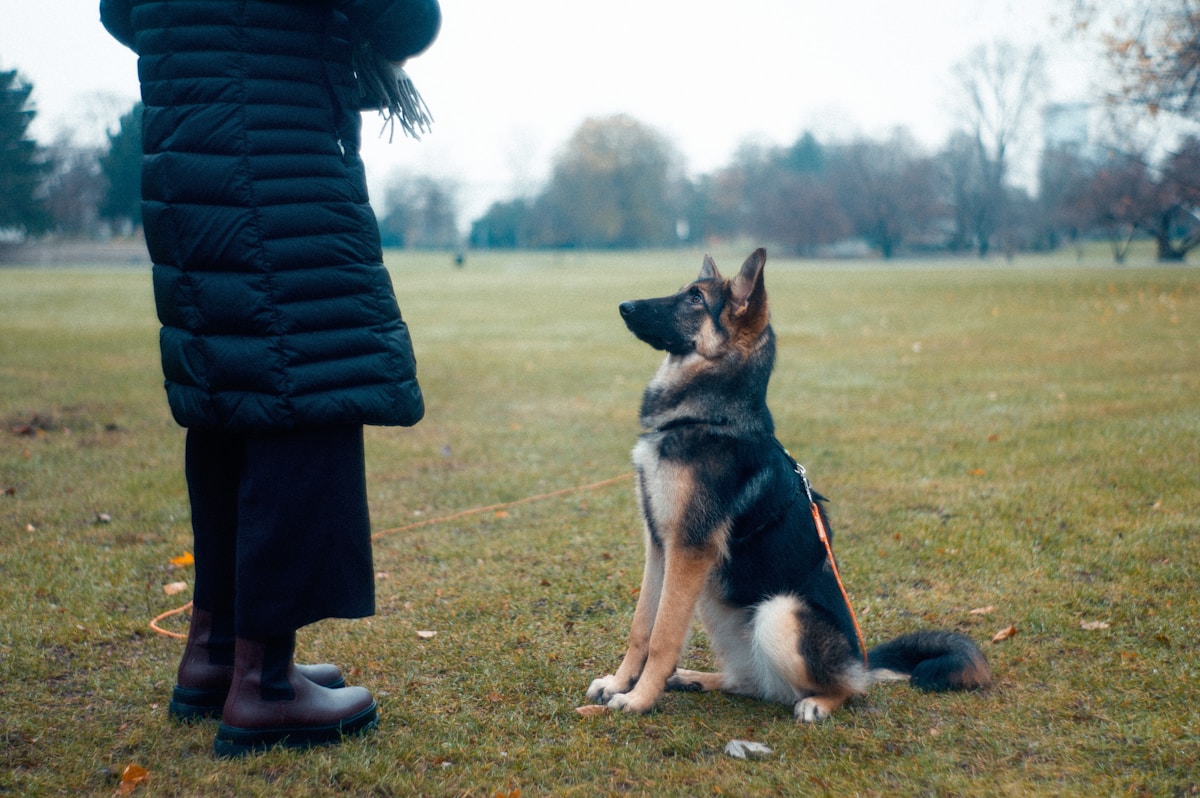
Why Clicker Training Works So Well
Dogs learn fastest when feedback is immediate and consistent. Voice praise can vary in tone and timing, but a clicker creates a clear, repeatable signal that always means the same thing. That precision helps your dog identify the exact behavior moment you want repeated.
Clicker training also supports low-stress learning. Instead of relying on corrections, you build desired behavior through clear markers and reinforcement. This often improves confidence in timid dogs while preserving motivation in high-energy dogs.
The method scales well from basic obedience to advanced shaping. Whether you are teaching sit, recall, or polite greeting behavior, the same marker principles apply.
Clicker Training Stage Comparison
| Stage | Goal | What You Do | Common Error | Success Signal |
|---|---|---|---|---|
| Charge Clicker | Build click value | Click then reward repeatedly | Clicking without reward | Dog anticipates reward after click |
| Capture Behavior | Mark natural actions | Click the moment behavior appears | Late clicking | Behavior appears more often |
| Shape Behavior | Build complexity | Reward gradual approximations | Criteria jumps too fast | Smooth progression without frustration |
| Add Cue | Attach verbal command | Name behavior after reliability | Adding cue too early | Dog responds to cue alone |
Step 1: Charge the Clicker Correctly
Before asking for any behavior, teach your dog that click equals reward. This is called charging the clicker.
- Prepare 15-20 small high-value rewards.
- Click once, then deliver reward within one second.
- Repeat without asking for commands.
- Run one short set, then stop.
Do this for one to three short sessions. If your dog starts orienting to you after each click, the marker has value and you can move forward.
14-Day Plan: How to Clicker Train a Dog Efficiently
Days 1-3: Marker Basics
Charge the clicker and capture easy natural behaviors: eye contact, sit, and calm stand. Keep sessions short and highly successful.
Days 4-7: Add Simple Behaviors
Build predictable actions such as hand target, sit-to-down, and short duration hold. Reward quickly and keep criteria clear.
Days 8-11: Add Mild Distraction
Train in a different room or quiet outdoor space. Lower criteria slightly at first, then rebuild reliability.
Days 12-14: Generalize and Fade
Use real-world contexts and begin reducing food frequency while keeping marker accuracy. Do not fade too early if performance drops.
This process pairs well with behavior goals like how to train a dog not to jump on people and how to train a dog not to jump because click timing captures calm choices precisely.

When to Add Verbal Cues and How to Fade Rewards
A common mistake is adding words too early. Wait until your dog reliably offers the behavior in the training context. Then add the verbal cue right before the action, click the success, and reward.
After the cue is reliable, begin varying reward schedules gradually. Keep praise and occasional reinforcement strong so behavior remains motivated and stable.
Daily Session Template for Faster Results
Owners often know how to clicker train a dog in theory but struggle with consistent execution. A simple fixed session structure removes guesswork and keeps timing clean. Use this template three to five times per day:
- 60 seconds setup: prepare 10-15 rewards, clicker, and low-distraction space.
- 90 seconds warm-up: easy wins such as eye contact and sit.
- 2 minutes core skill: shape one behavior only, with clear criteria.
- 60 seconds cool-down: one easy behavior, then end on success.
This five-minute block protects motivation while giving enough repetition for learning. If performance declines, end the session rather than pushing through mistakes. Short sessions with high success rates create faster progress than occasional long sessions with inconsistent timing.
For multi-dog households, train dogs separately so each dog receives clear marker timing. Shared sessions often create noise and reward confusion, especially during early clicker conditioning.
Common Clicker Training Mistakes
The most common issue is late clicking. If your timing is off, you reinforce the wrong action. Practice timing by clicking exact moments during everyday observations, even without your dog.
Another mistake is session length. Long sessions reduce focus and increase frustration. Five focused minutes usually outperform twenty unfocused minutes.
Finally, avoid repeating cues excessively. Repeated commands dilute meaning. Give one clear cue, wait, then reset if needed.
Troubleshooting: When Progress Stalls
Dog Ignores Rewards
Upgrade reward value, reduce distraction, and shorten session length. Appetite and arousal management matter.
Dog Frightened by Click Sound
Muffle the clicker in your pocket or use a softer marker first. Build positive association gradually.
Behavior Falls Apart Outdoors
Decrease criteria outdoors and rebuild in layers. Generalization is a process, not a failure sign.
Multiple Family Members Train Differently
Standardize one set of cues and one reward protocol. Inconsistent rules slow behavior acquisition in otherwise capable dogs.
If your dog becomes over-aroused mid-session, pause and reset rather than pushing through poor reps. A brief break, lower criteria, and easier success can recover training quality quickly. This same reset principle is useful for related goals like how to train a dog not to jump, where arousal spikes often disrupt otherwise solid behavior.
Progress Log System That Prevents Plateaus
Track three simple metrics after each session: behavior success rate, distraction level, and reward type used. Review weekly patterns instead of reacting to one off day. If success drops below 70%, simplify criteria and rebuild confidence before increasing difficulty.
Progress logs also help families align training language and timing. Everyone can see what is working and what needs adjustment, which reduces mixed signals and speeds up learning reliability.
Use the same scoring method each week so your data stays comparable and actionable.
How We Chose This Method
We prioritize training approaches that are clear, repeatable, and low-stress for both dogs and handlers. Clicker training meets these criteria because timing is objective, progress can be measured, and behavior can be shaped without force.
This framework aligns with behavior guidance from AVSAB, practical training resources from AKC, and pet care standards from AVMA.
Related Guides
Frequently Asked Questions
How long does clicker training take to work?
Many dogs learn the click meaning quickly, but reliable behaviors usually require ongoing short sessions over days to weeks.
Do I need treats with clicker training?
At first, yes. The click must predict reward. Later you can vary rewards strategically.
Can older dogs learn clicker training?
Absolutely. Older dogs can learn effectively with clear timing and low-stress repetition.
What if my dog is scared of the clicker?
Lower sound intensity and pair clicker use with high-value rewards until confidence improves.
When should I add verbal commands?
Add cues only after behavior is reliable so words predict actions rather than create confusion.
Final Verdict
Learning how to clicker train a dog gives you precise communication and faster behavior development with less stress. Focus on timing, short sessions, and clear criteria, then expand to real-world practice gradually. With consistency, clicker training becomes one of the most efficient tools in your training system.
Keep your process measurable: set one behavior goal per week, track success rate, and adjust criteria before motivation drops. Small, repeatable wins create better long-term reliability than frequent method changes across home and outdoor contexts. Consistency compounds faster than intensity.