How To Train A Dog Not To Jump: A 2-Week Plan For Calm, Polite Greetings
If you are struggling with greetings at the door, learning how to train a dog not to jump can immediately improve safety and daily stress levels. The key to how to train a dog not to jump is to stop rewarding jump behavior, teach a clear replacement action, and practice that action until it becomes your dog’s default response.
TL;DR
To stop jumping, reward four paws on the floor or a sit, manage greetings with leash and distance, and run short daily practice sessions. Consistency across all people in the home is the deciding factor.
Quick Answer
- Jumping is self-rewarding when it gets attention, even negative attention.
- Teach an incompatible behavior: sit, place, or mat target at greetings.
- Prevent rehearsal with leash control and controlled visitor routines.
- Reward early and often while behavior is still improving.
- For treat strategy, use measured rewards similar to our dog treats guidance.
Table of Contents
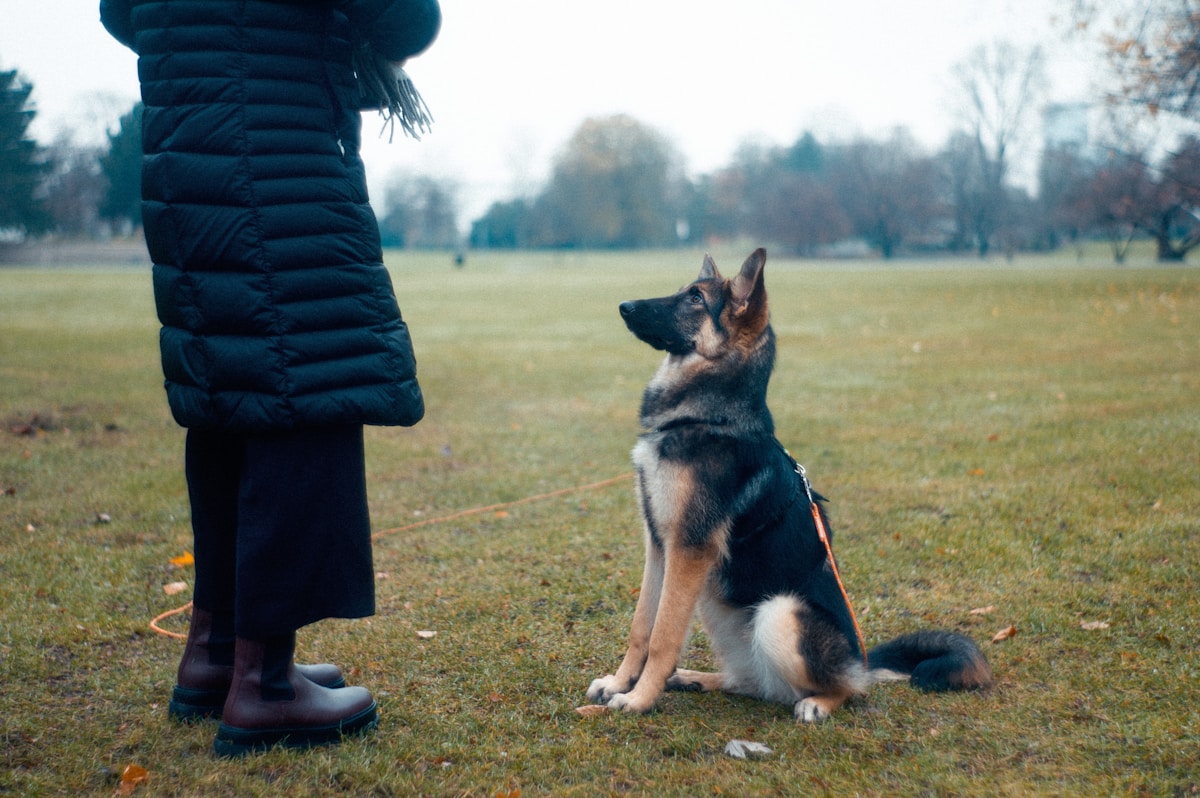
Why Dogs Jump on People in the First Place
Most dogs jump because it works. They get eye contact, touch, voice response, or fast social access. Even pushing a dog away can accidentally reinforce the behavior if your dog interprets it as interaction.
Jumping can also be amplified by arousal spikes: guests arriving, returning home after work, and exciting pre-walk moments. Training becomes easier when you reduce arousal before greetings, then reward calm behavior early.
This topic overlaps strongly with search intent around how to train a dog not to jump on people. The difference is not the command phrase; it is whether your environment prevents repeated jumping rehearsals.
Training Method Comparison
Not every approach has the same long-term reliability. Use methods that build a replacement behavior rather than relying on force or intimidation.
| Method | Key Idea | Best For | Risk | Effectiveness |
|---|---|---|---|---|
| Ignore + Reward Four Paws | Remove attention for jumps, reinforce floor contact | Most family dogs | Slow if inconsistent | High |
| Sit for Greeting | Teach sit before social access | Food-motivated dogs | Can break under high excitement | High |
| Place/Mat Target | Send dog to a defined location during arrivals | Doorbell-triggered jumpers | Needs setup and reps | High |
| Physical Corrections | Push, knee, or aversive interruption | Not recommended | Stress and escalation | Low reliability |
2-Week Step Plan: How to Train a Dog Not to Jump
Days 1-3: Build Foundation
- Clip leash before greetings to prevent uncontrolled rehearsal.
- Stand still and silent when jumping starts.
- The second paws touch floor, mark and reward immediately.
- Repeat in 3-5 short sessions daily.
Days 4-7: Add a Replacement Cue
- Ask for sit before greeting contact.
- Reward quickly before arousal spikes.
- If your dog jumps, reset calmly and repeat.
- Keep sessions short to avoid frustration.
Days 8-14: Generalize to Real Life
- Practice at door entries, not just in quiet rooms.
- Use one controlled guest per session.
- Coach guest behavior: no attention unless paws stay down.
- Fade food rewards gradually, keep praise and structure.
If your dog also struggles with other impulse-control behaviors, combine this plan with broader foundations from our dog training pillar.
How to Train a Dog Not to Jump on People During Guest Arrivals
Guest greetings are the hardest test because excitement is highest and routines break down. Use a scripted plan:
- Before guest enters: leash on, treats ready, dog on mat.
- At the door: guest pauses if dog rises or jumps.
- When calm: guest steps in and gives brief low-key greeting.
- If jumping returns: guest turns away, no talking, reset to mat.
This is the practical version of how to train a dog not to jump on people. The rule is simple: calm behavior unlocks social access, jumping pauses it.
Doorway Drill Progression for Real-World Reliability
Most owners see progress at home, then lose it at the front door. The doorway adds intensity: sounds, movement, people entering, and emotional anticipation. To make training durable, you need graduated difficulty.
Phase 1: No-Guest Reps
Practice opening and closing the door with your dog on leash and in sit or place. Reward calm behavior before jumping starts. Keep five to ten short reps per session.
Phase 2: Known Person Setup
Ask a familiar person to approach the door. If your dog stays calm, guest steps in and gives brief gentle attention. If jumping starts, guest steps back and resets. The reward is social access, not just food.
Phase 3: Higher-Excitement Guests
Use the same pattern with less familiar visitors. Keep leash control during the first minute and release only when your dog succeeds repeatedly. Short successes beat long chaotic greetings every time.
Common Mistakes That Keep Jumping Alive
The biggest mistake is inconsistency across people. If one family member rewards jumping with excited attention, the behavior remains reinforced. Everyone must follow the same greeting protocol.
Another issue is rewarding too late. Many owners wait until the dog is already over threshold. Mark calm behavior sooner, before the jump launches.
Finally, long sessions can degrade performance. Short, frequent drills with clear criteria produce faster and cleaner behavior changes than occasional long training attempts.
Helpful Tools and Setup
- Standard leash: prevents uncontrolled greetings during training phases.
- Treat pouch: keeps reward timing fast and consistent.
- Mat or bed: gives your dog a defined station near entry zones.
- Baby gate: useful for high-intensity greeters needing distance.
Pairing training with health support can improve behavior capacity. Dogs in discomfort from allergies may have lower impulse control, so nutrition pages like best hypoallergenic dog food can be relevant in parallel.
When to Get Professional Help
Most jumping cases improve with home structure, but some dogs need added support. Contact a qualified trainer or behavior professional when jumping includes mouthing, body slamming, anxiety escalation, or inability to settle after greetings.
Professional coaching is also useful when households cannot stay consistent due to children, frequent visitors, or multi-dog dynamics. A coach can customize management, role-play guest drills, and speed up progress with cleaner timing and criteria.
If your dog has underlying pain, skin irritation, or chronic digestive discomfort, behavior work may stall until medical issues improve. Pair training with veterinary assessment so your dog is physically comfortable enough to learn.
How We Chose This Training Approach
We prioritize reward-based methods that are practical for families, reduce stress, and produce reliable long-term behavior. Our framework emphasizes management first, then replacement behavior, then real-world generalization.
This guidance aligns with evidence-based behavior principles from AVSAB position resources, practical handling advice from AKC training resources, and canine care standards from AVMA.
Related Guides
Frequently Asked Questions
How long does it take to train a dog not to jump?
Many dogs improve within one to two weeks, but stable real-world greeting behavior usually needs ongoing consistent practice.
Should I knee my dog when it jumps?
No. Physical corrections can increase stress and worsen behavior. Reinforcement-based methods are safer and more reliable.
What command works best to stop jumping?
Most dogs respond better to a replacement behavior like sit, place, or paws on floor rather than repeated verbal corrections.
Can older dogs still learn this behavior?
Yes. Older dogs can absolutely learn calmer greetings when training is clear, consistent, and reinforced appropriately.
What if my dog only jumps on guests?
Use controlled guest drills with leash management and strict visitor instructions so your dog rehearses the right greeting pattern.
Final Verdict
Learning how to train a dog not to jump is mostly about consistency, timing, and rehearsal control. Reward calm greetings, block reinforcement for jumping, and practice the same routine with every person your dog meets. Done daily, this creates polite behavior that holds up in real life, not just in training sessions.
If progress slows, simplify the setup instead of changing the whole method. Lower excitement, shorten sessions, and reward earlier. Small adjustments applied consistently usually outperform dramatic changes made sporadically.
Keep a short training log for two weeks so you can spot patterns, celebrate gains, and adjust calmly instead of reacting to one difficult day.