How To Train A Dog Not To Jump On People: A Reliable Plan For Calm Greetings
If you are searching for how to train a dog not to jump on people, the key is not one magic command. It is a structured system that prevents jumping rehearsal, rewards calm choices, and keeps every person in the home following the same rules. A clear how to train a dog not to jump on people plan can reduce stress quickly and make guest greetings safer for everyone.
TL;DR
To stop jumping on people, block reward for jumping and immediately reward four paws down or sit. Practice short daily greeting drills and coach visitors to follow your script every time.
Quick Answer
- Jumping persists because it still gets attention, touch, or access.
- Teach a replacement behavior and reward it early.
- Use leash and distance management so mistakes are limited.
- Train guests and family together for consistent outcomes.
- For marker precision, pair this with how to clicker train a dog.
Table of Contents
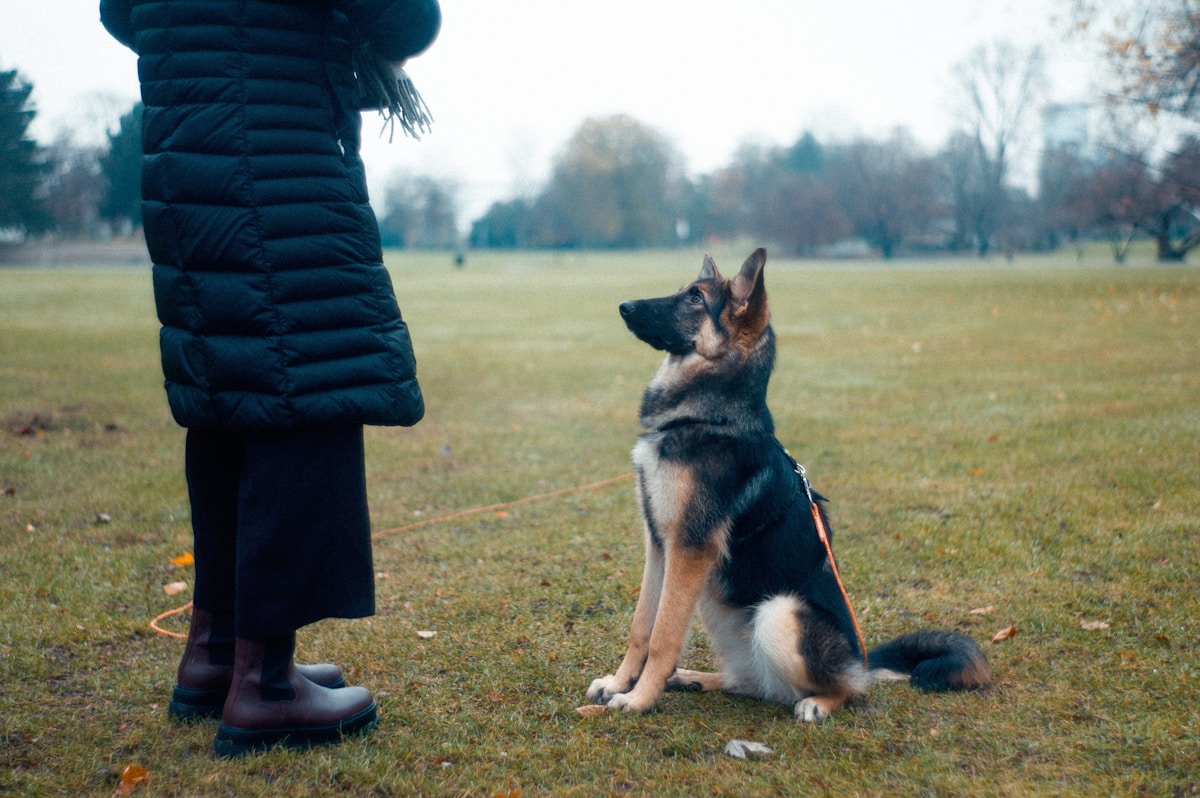
Why Dogs Jump on People Even After You Say "No"
Dogs usually jump because jumping works. They get eye contact, voice response, touch, or social access. Even pushing a dog away can feel interactive and rewarding from the dog''s perspective.
Jumping also spikes during high-arousal moments: arrivals, doorbells, returning home, and visitor greetings. If you only train in calm rooms and never rehearse doorway scenarios, progress stays fragile.
A practical strategy for how to train a dog not to jump on people combines management with reinforcement. Management prevents rehearsal. Reinforcement teaches what to do instead.
Method Comparison: What Works Best
| Method | How It Works | Best For | Risk | Reliability |
|---|---|---|---|---|
| Ignore + Reward Four Paws | Removes reinforcement for jumps, rewards floor contact | Most family dogs | Slow if inconsistent | High |
| Sit for Greeting | Social access only after sit | Food-motivated dogs | May break under high excitement | High |
| Place/Mat Routine | Dog stations away from doorway before greeting | Door-triggered jumpers | Requires setup and reps | High |
| Physical Corrections | Kneeing, pushing, or leash corrections | Not recommended | Stress escalation | Low |
14-Day Plan: How to Train a Dog Not to Jump on People
Days 1-3: Build the Foundation
- Leash before greetings to prevent uncontrolled rehearsal.
- Stand still and calm when jumping starts.
- Mark and reward the moment paws return to floor.
- Keep sessions short and frequent.
Days 4-7: Add a Replacement Cue
- Ask for sit or place before social contact.
- Reward immediately for compliance.
- If jump occurs, reset without scolding.
- Repeat in low-distraction setups.
Days 8-14: Generalize to Real Entries
- Practice at front door with controlled helper.
- Use the same cue and reward timing each rep.
- Fade food gradually, keep praise and structure.
- Track outcomes daily and adjust only one variable at a time.
Guest Arrival Script That Prevents Backsliding
Visitors are the biggest reliability test. Use a simple script:
- Before entry: leash on, dog at mat, rewards ready.
- Door opens: guest pauses if dog leaves position.
- Calm behavior: guest enters and gives brief low-key greeting.
- Jumping returns: guest turns away, greeting pauses, reset to mat.
This keeps social access tied to calm behavior. That contingency is the engine of long-term success.
Daily Practice Template (5 Minutes)
- Minute 1: setup leash, mat, and rewards.
- Minutes 2-3: easy reps with known cues.
- Minute 4: doorway rep with helper or simulation.
- Minute 5: quiet settle and end on success.
Short, clean sessions beat occasional long sessions. Consistency is what turns polite greeting drills into default behavior.
`r`nSet your rewards and leash before the door opens, not after arousal spikes. Strong setup quality is often the difference between a stable greeting routine and a pattern that breaks down when the environment gets busy.
Dog Training Progress Scorecard You Can Track in 2 Minutes
If you want to know whether your calm-greeting training plan is working, measure behavior instead of guessing. A simple scorecard keeps everyone in the home aligned and shows exactly where you need to tighten your routine.
Use one line per greeting event and track these points:
- Trigger: family member arrival, delivery person, or guest entering.
- Distance at first calm response: doorway, hallway, or directly at the person.
- Repetitions before success: how many resets were needed before four paws down.
- Reward timing: immediate (within one second) or delayed.
- Outcome: no jump, one jump, or repeated jumping.
Most homes see faster progress when they set one weekly target, such as "80% of greetings without jumping." This keeps dog training objective and prevents switching methods too quickly. If progress stalls for four to five days, lower distraction and rebuild in easier setups.
Plan Adjustments for Puppies, Large Breeds, and Senior Dogs
One reason owners struggle with greeting manners is using identical reps for every dog. You get better results by adjusting intensity, duration, and surface setup to the dog in front of you.
| Dog Type | Main Challenge | Best Adjustment | Session Length |
|---|---|---|---|
| Puppies | Low impulse control and overexcitement | More frequent micro-sessions and easy wins | 2-3 minutes |
| Large or athletic dogs | Impact force and momentum at greetings | Leash management plus mat station farther from door | 4-6 minutes |
| Senior dogs | Slower movement or discomfort | Use lower-impact cues and non-slip surfaces | 3-5 minutes |
For high-arousal dogs, pair greeting work with decompression walks and predictable enrichment so they are not starting each session over threshold. If your dog shows pain signals, discuss movement comfort with your veterinarian before increasing greeting reps.
Common Mistakes That Keep Jumping Alive
The most common issue is family inconsistency. If one person rewards jumping with enthusiastic attention, progress stalls.
Another issue is late timing. Rewarding after arousal spikes teaches noisy behavior chains instead of calm greeting choices.
Many owners also skip management. Without leash, gate, or mat control, dogs rehearse jumping too often to improve reliably.
Finally, people often progress too fast. If your dog can stay calm with one helper but not three visitors, do not jump straight to busy weekends. Add difficulty in layers and keep success rates high before advancing.
When to Get Professional Help
Get coaching when jumping includes mouthing, body slamming, anxiety escalation, or inability to settle after greetings. Professional support is also valuable in multi-dog homes where arousal patterns are harder to manage.
If your dog has pain, skin discomfort, or digestive stress, behavior training can plateau. Pair training with health review when needed. For dogs with food-triggered discomfort, nutrition pages like best sensitive stomach dog food and best dog food for dogs with food allergies can support better behavior capacity.
For additional behavior science context, review guidance from PetMD and your primary veterinarian so your training plan matches your dog''s health and stress profile.
How We Chose This Method
We prioritize reinforcement-based, low-stress methods with strong practical reliability in family settings. The model is simple: prevent rehearsal, reward the replacement behavior, and apply consistent criteria in real contexts.
This approach aligns with behavior guidance from AVSAB, practical handling resources from AKC, and general dog-care standards from AVMA.
Related Guides
Frequently Asked Questions
How long does it take to train a dog not to jump on people?
Many dogs improve in one to two weeks, but guest-level reliability usually takes several weeks of consistent daily practice.
Should I punish jumping with corrections?
No. Punitive methods can increase stress and reduce reliability. Reinforcement-based approaches are safer and more durable.
What cue works best to stop jumping?
Most dogs respond best to incompatible cues like sit, place, or four paws down paired with immediate reinforcement.
Can older dogs learn calm greeting behavior?
Yes. Adult and senior dogs can learn effectively with clear criteria and short, consistent sessions.
What if my dog only jumps on guests?
Use controlled guest scripts with leash management and visitor coaching so your dog repeatedly rehearses the right pattern.
Final Verdict
Learning how to train a dog not to jump on people is mainly about consistency and timing, not force. Reward calm greetings, pause social access when jumping starts, and run short drills every day. With structured repetition, most dogs can build polite greeting habits that hold up in real-life guest situations.