How To Train A Dog To Speak: A Controlled Cue Plan That Builds Bark On Command
If you want to teach expressive cue work without creating uncontrolled noise, learning how to train a dog to speak is the right starting point. The most reliable approach to how to train a dog to speak is to capture one bark, mark it precisely, add a cue, and train a matching quiet behavior so barking stays under control.
TL;DR
Train speak by capturing a natural bark, marking timing clearly, and rewarding quickly. Build control by teaching quiet immediately after speak so barking becomes a cue-driven behavior, not a random habit.
Quick Answer
- Teach speak and quiet together from the start.
- Use short sessions with clear bark criteria.
- Avoid rewarding barking outside training context.
- Lower arousal when performance gets sloppy.
- For precise markers, pair with how to clicker train a dog.
Table of Contents
Why Teach the Speak Cue in the First Place?
Teaching speak can improve communication and confidence when done with control. It can also help with performance work, games, and trick progressions. The real value is not “more barking,” but controlled barking on cue.
Without a structure, bark behaviors can become noisy and inconsistent. With clear rules, speak can become just another reliable behavior like sit or place. The key is pairing speak with quiet from the beginning.
This topic connects to how to train a dog not to jump and other impulse-control skills because arousal management determines success in all of them.
Speak Training Stage Comparison
| Stage | Goal | What You Do | Common Error | Success Signal |
|---|---|---|---|---|
| Capture | Mark natural bark | Mark one bark, reward fast | Rewarding repeated barking | Dog offers single bark quickly |
| Name Cue | Attach word to behavior | Say "speak" before bark opportunity | Cue repetition spam | Dog barks after one cue |
| Control | Add quiet response | Reinforce silence after bark | Skipping quiet training | Dog alternates speak/quiet reliably |
| Generalize | Use cue in new contexts | Practice in mild distractions | Advancing too quickly | Cue works indoors and outdoors |
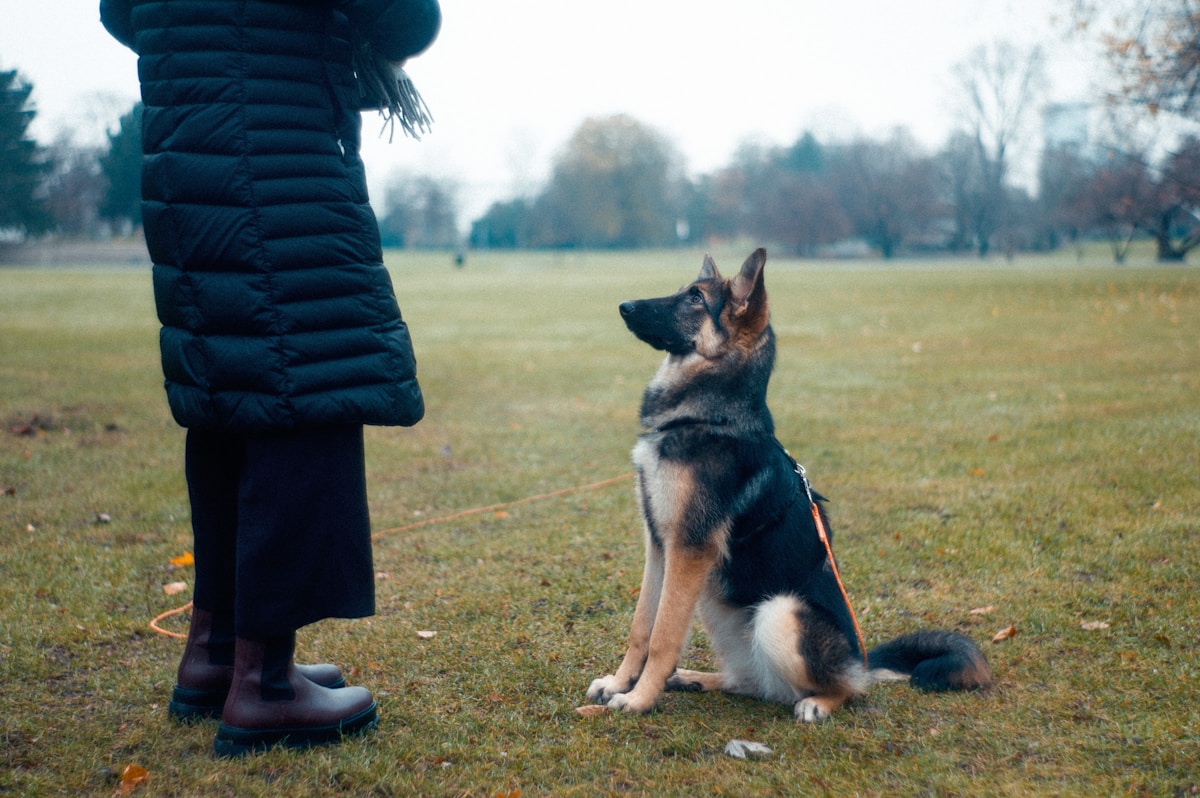
Step 1: Capture the First Bark Without Over-Exciting Your Dog
Use a natural trigger that produces one bark, such as toy anticipation, door knock sounds, or brief social excitement. The moment your dog barks once, mark and reward immediately.
- Prepare 10-15 small rewards before session starts.
- Create one mild trigger, then wait for a single bark.
- Mark the bark quickly (click or verbal marker).
- Reward, reset, and pause before the next rep.
Do not chase multiple barks in one repetition. Early reps should prioritize clarity and calm, not volume.
10-Day Plan: How to Train a Dog to Speak Reliably
Days 1-3: Capture and Reward
Focus on clean single-bark captures with immediate rewards. Keep sessions to 3-5 minutes and end before arousal rises too high.
Days 4-6: Add the Speak Cue
Say “speak” once before your dog’s likely bark moment. If your dog barks after cue, mark and reward. If not, reset without repeating cue continuously.
Days 7-8: Build Reliability
Increase consistency with short sets: cue, bark, mark, reward, pause. Use different locations in your home while keeping distraction low.
Days 9-10: Introduce Mild Distraction
Practice around low-level household activity. Lower criteria when needed and maintain precise timing.
Daily Session Template for Cleaner Cue Learning
Many owners know the theory of how to train a dog to speak but struggle with execution consistency. A fixed short session structure keeps timing clear and prevents accidental over-arousal. Use this five-minute template three to five times per day:
- Setup (60 seconds): prepare rewards, leash if needed, and a low-distraction space.
- Warm-up (90 seconds): easy known cues like sit or hand target.
- Speak reps (2 minutes): cue once, mark one clean bark, reward, then reset.
- Quiet reps (90 seconds): reinforce silence and calm breathing between trials.
Stop before quality drops. Short sessions create better retention than long sessions with sloppy timing. If your dog gets too excited, lower criteria immediately and end on one clean success.

Teach Quiet Immediately to Prevent Bark Chaos
Speak without quiet control can create unwanted barking. After a cue-based bark, wait for a brief pause, mark the silence, and reward. Then add the quiet cue before that pause in future reps.
This speak-quiet pairing creates an on/off system that is easier to live with and safer around guests. It also aligns with polite greeting training, especially if your dog already overreacts in high-arousal moments.
Common Mistakes That Make Speak Training Sloppy
The most common error is rewarding barking after the target moment. Late rewards teach noisy chains instead of a controlled single bark.
Another issue is repeated cueing. Saying “speak, speak, speak” blurs cue clarity. Use one cue, then reset if needed.
Finally, many owners skip quiet training. Without an off-switch, speak can bleed into random barking outside sessions.
Troubleshooting Difficult Cases
Dog Rarely Barks
Use mild natural triggers and capture tiny vocal attempts first. Reward immediately to build behavior value.
Dog Over-Barks During Session
Lower excitement, increase pauses between reps, and reinforce quiet more frequently.
Dog Freezes Outdoors
Return to easier contexts, then reintroduce mild distractions gradually. Generalization is incremental.
Family Inconsistency
Standardize one cue word and one reward protocol. Mixed rules weaken reliability quickly.
Progress Log System for Better Speak Control
Use a simple log after each session with four fields: number of clean barks on cue, number of off-cue barks, quiet response speed, and distraction level. This makes your training decisions objective and prevents emotional over-adjustments.
At the end of each week, review trends before changing anything. If clean bark responses are improving and off-cue barking is flat or dropping, keep the same plan. If off-cue barking rises, reduce excitement triggers and increase quiet reps before pushing harder speak criteria.
This logging approach also improves family consistency. Everyone can see exactly what counts as a successful repetition, which reduces mixed timing and contradictory reinforcement. A shared log often speeds up reliability more than adding new tools or complex commands.
For dogs that bark excessively at arrivals, combine your speak/quiet log with greeting management from how to train a dog not to jump on people. Layered impulse-control routines produce calmer behavior than isolated single-skill work.
How We Chose This Method
We prioritize low-stress, reinforcement-based methods that are practical for families and reliable in real environments. Our framework emphasizes marker timing, clear criteria, and behavior control rather than forced compliance.
This approach aligns with behavior guidance from AVSAB, practical resources from AKC, and care standards from AVMA.
Related Guides
Frequently Asked Questions
How long does it take to train a dog to speak?
Most dogs learn the basic cue in several short sessions, while reliable control typically takes one to three weeks.
Can teaching speak make barking worse?
It can if quiet control is skipped. Teach speak and quiet together to keep behavior controlled and cue-based.
What if my dog barely barks?
Capture tiny vocal attempts using natural mild triggers, then shape toward clearer bark responses gradually.
Should I use a clicker for speak training?
Yes, clicker timing can improve precision when marking the exact bark or quiet moment.
Can puppies learn speak safely?
Yes, with short controlled sessions and immediate quiet training to avoid over-arousal habits.
Final Verdict
Learning how to train a dog to speak can be useful and fun when you train it as a controlled cue, not a noisy trick. Capture clean bark moments, pair them with clear marker timing, and build a strong quiet response alongside speak. With consistency, you get reliable cue control without unwanted everyday barking.
If results stall, simplify instead of escalating excitement. Reduce distractions, shorten sessions, and reward the first clean bark and first clear quiet response. Rebuilding quality reps usually restores progress faster than adding more commands or intensity. Keep a short weekly log so you can adjust with data instead of frustration. Small corrections made consistently create reliable long-term cue control. Repeat the same structure every training day.