Dog Dental Cleaning Cost: What Owners Actually Pay
Dog dental cleaning cost usually falls between $350 and $1,500+ because a real veterinary cleaning includes anesthesia, monitoring, oral exam, scaling, polishing, and often dental X-rays or extractions. The biggest price swing is not the cleaning itself but what the veterinarian finds below the gumline once your dog is safely anesthetized.
Dog dental cleaning cost is one of the pet bills most owners underestimate because it looks like a simple hygiene service until the estimate includes anesthesia, dental X-rays, bloodwork, extractions, pain control, and follow-up care. A routine dog teeth cleaning cost may be manageable when the mouth is stable, but a delayed dental can become a surgical invoice when periodontal disease in dogs has already damaged roots, bone, or gums.
This guide breaks the bill into the pieces that matter: the base cleaning, anesthesia, pre-op screening, radiographs, tooth extraction cost, insurance limits, and practical ways to reduce future dental spend without gambling with your dog's comfort. It also links dental costs to broader budgeting, including our pet insurance guide hub, Poodle ownership cost guide, and Yorkie health risk guide for small-breed owners who often face dental issues early.
Key Takeaways
- Routine anesthetized dog dental cleaning often starts around $350 to $700, while advanced dental disease can push totals above $1,500.
- The estimate should separate exam, bloodwork, anesthesia, monitoring, dental X-rays, scaling, polishing, extractions, and medications.
- Anesthesia-free dog teeth cleaning is not equivalent to a veterinary dental because it cannot clean or diagnose disease below the gumline.
- Small dogs, flat-faced breeds, seniors, and dogs with crowded teeth need earlier cost planning because dental disease can progress quietly.
- Daily brushing, dental diets or chews, regular exams, and timely cleanings are the best cost-control strategy.
Table of Contents
- How much does dog dental cleaning cost?
- What is included in a dog dental cleaning estimate?
- Why does anesthesia change the price?
- How much can extractions add?
- Which dogs need earlier dental budgeting?
- Does pet insurance cover dental cleaning?
- How can owners lower dog dental costs safely?
- What should you ask before approving an estimate?
- FAQ

How Much Does Dog Dental Cleaning Cost?
For most U.S. owners, dog dental cleaning cost is best planned as three tiers: a routine preventive cleaning, a moderate dental with X-rays or a small number of extractions, and an advanced dental that needs complex surgery or a veterinary dentist. PetMD's veterinary-reviewed cost guide lists routine general-practice cleanings around $350 to $500, specialist cleanings around $1,500, and separate fees for bloodwork, medications, and extractions. Real local estimates can land above or below those numbers depending on the clinic, city, dog size, disease stage, and whether radiographs are bundled.
The most useful budgeting range is not one national average. It is the likely invoice after your dog has been examined. A young healthy large-breed dog with mild tartar may need a straightforward cleaning. A seven-year-old toy breed with loose teeth, gum recession, bad breath, and no brushing history may need a much longer procedure. Both owners may ask for a "teeth cleaning," but the medical work is different.
| Scenario | Common Planning Range | What Usually Drives the Price | Owner Budget Note |
|---|---|---|---|
| Routine cleaning at a general practice | $350-$700 | Anesthesia, monitoring, scaling, polishing, oral charting | Most predictable when dental disease is mild and no extractions are expected |
| Cleaning with dental X-rays or early disease | $600-$1,200 | Radiographs, longer anesthesia time, pain control, more detailed exam | Ask whether full-mouth X-rays are included or itemized |
| Dental with extractions | $900-$2,500+ | Number and difficulty of teeth removed, sutures, medications, follow-up | A pre-op estimate may include a wide range until the mouth is fully evaluated |
| Board-certified veterinary dentist | $1,500-$3,000+ | Advanced imaging, complex extractions, root canal, oral surgery, referral care | Often used for fractured teeth, complicated mouths, or medically fragile dogs |
The low end can be tempting, but compare what is included. A cheaper estimate may exclude bloodwork, IV catheter, fluids, dental radiographs, post-op medications, or extraction time. A higher estimate may be more complete and less likely to surprise you after drop-off. The right question is not "Which clinic is cheapest?" but "Which estimate explains what will happen if disease is found?"
What Is Included in a Dog Dental Cleaning Estimate?
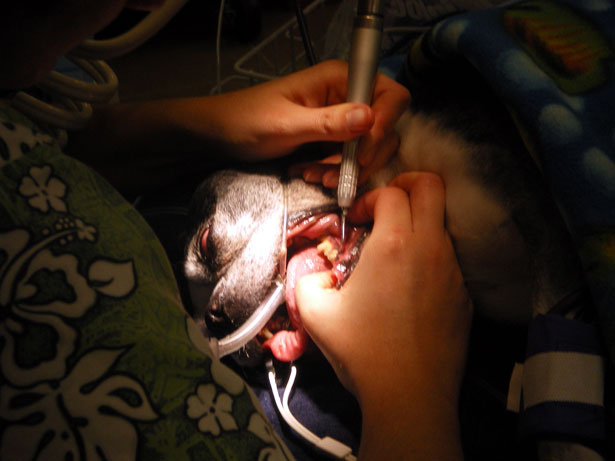
A real veterinary dental cleaning is more like a short outpatient procedure than a grooming appointment. The estimate typically starts with a pre-anesthetic exam and may include lab work to check liver, kidney, blood sugar, red blood cells, and other values that affect anesthesia planning. Your dog is anesthetized, intubated, monitored, examined tooth by tooth, cleaned above and below the gumline, polished, and recovered by trained staff.
Many clinics also recommend dental radiographs. That can feel like an optional line item until you understand that a large portion of each tooth sits below the visible gumline. Professional dental cleaning involves anesthesia, blood work, dental X-rays, scaling, polishing, and evaluation of the whole mouth. If your estimate does not mention X-rays, ask whether the veterinarian can accurately judge roots, bone loss, retained roots, fractures, and abscesses without them.
Line items to look for
- Pre-anesthetic physical exam and medical history review.
- Bloodwork, and possibly extra screening for senior dogs or dogs with heart, kidney, endocrine, or breathing concerns.
- IV catheter, fluids, anesthesia drugs, airway protection, and monitoring.
- Tooth-by-tooth oral exam, dental charting, scaling, and polishing.
- Dental radiographs if the clinic recommends them or includes them by default.
- Extraction authorization rules, including the cost range if diseased teeth are found.
- Pain medication, antibiotics when medically necessary, and a recheck plan.
If the estimate is a single number, ask for a broken-out version. The goal is not to argue over every line; it is to know what the number means. A transparent estimate gives you a base plan, a likely add-on range, and a consent process for unexpected findings.
Why Does Anesthesia Change the Price?
Anesthesia changes dog teeth cleaning cost because it adds medications, equipment, staff, monitoring, recovery time, and risk management. It also makes the dentistry medically useful. A conscious dog cannot be expected to hold still while a team probes gum pockets, places X-ray sensors, uses an ultrasonic scaler below the gumline, polishes teeth, checks fractured roots, or extracts painful teeth.
This is why anesthesia-free dog teeth cleaning is a poor substitute for veterinary dental care. It may improve the look of visible teeth, but cosmetic tartar removal does not diagnose periodontal pockets, root infection, bone loss, fractured teeth, retained roots, or disease hidden under apparently clean gums. It can also give owners false confidence while disease progresses unseen.
AAHA's anesthesia guidance states that anesthesia-free dentistry is not acceptable because of safety, efficacy, and ethical concerns. That is the key cost tradeoff. An anesthetized dental costs more upfront because it is the procedure that can actually evaluate and treat the mouth.
Cost-control rule
Do not compare an anesthesia-free cleaning price with an anesthetized veterinary dental as if they are the same service. Compare an anesthetized dental today with the possible cost of extractions, abscess treatment, pain, and referral care after disease has been missed.
How Much Can Dog Tooth Extraction Cost Add?
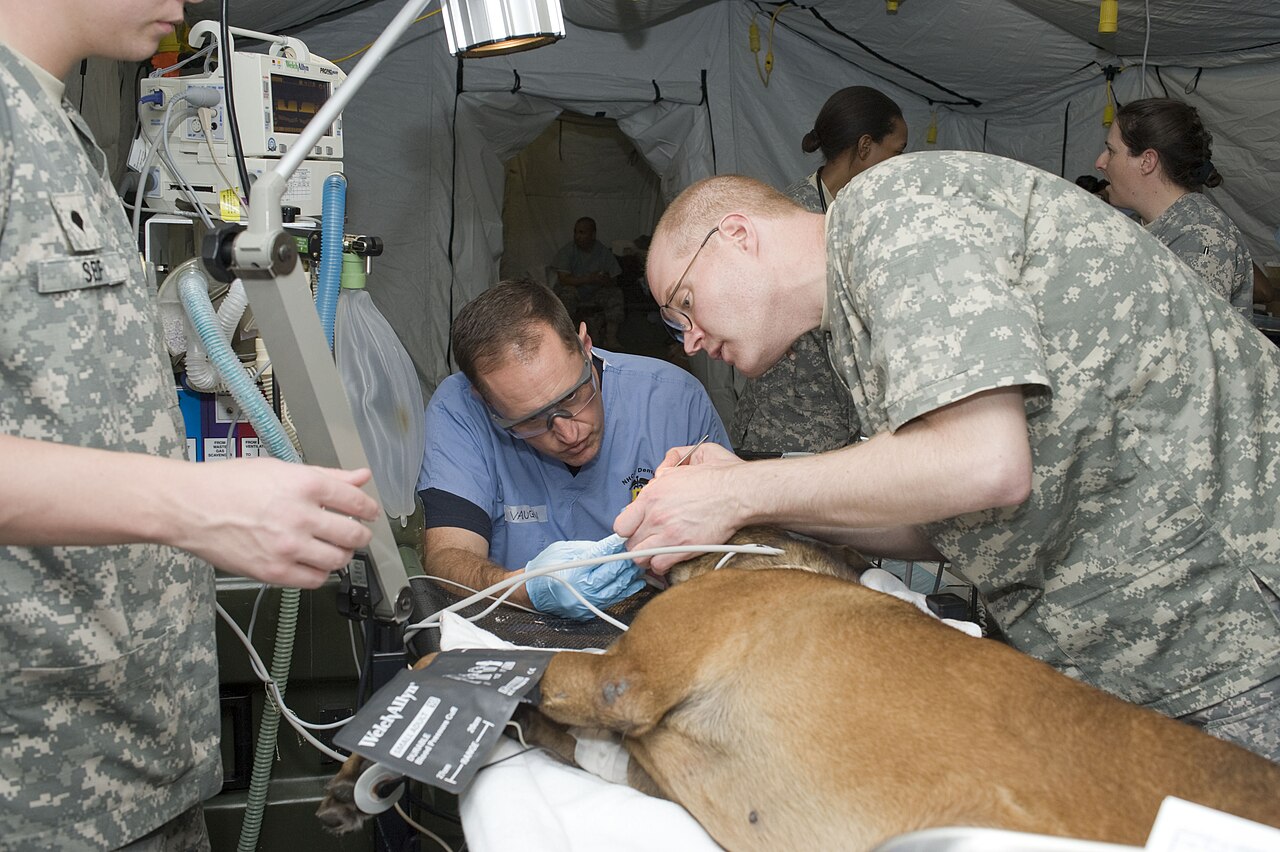
Dog tooth extraction cost is the part of the estimate that can move fastest. A loose incisor may be simple. A fractured canine, infected carnassial tooth, retained root, or multi-rooted molar can take much longer and require radiographs, nerve blocks, surgical flaps, sutures, pain control, and follow-up. Once the dog is anesthetized and the veterinarian can probe and image the mouth, the plan may change.
This is why many dental estimates include a range or ask for permission to extract diseased teeth up to a certain dollar amount. That can feel uncomfortable, but it prevents a second anesthesia event when a painful tooth is found. Ask your clinic how they contact owners during the procedure, what happens if you cannot be reached, and whether they stage extensive dental work over more than one appointment for safety or cost reasons.
Why some teeth cost more than others
Canine teeth and large premolars or molars are not like tiny single-rooted front teeth. They can have long roots, multiple roots, curved roots, or infection around the surrounding bone. If a tooth is fractured below the gumline, the veterinarian may need additional imaging and careful extraction technique to avoid leaving root fragments behind. A board-certified veterinary dentist may be recommended for root canal therapy, jaw risk, oral masses, or medically complicated cases.
Owners can protect the budget by treating bad breath, chewing changes, and gum inflammation early. Waiting until teeth are loose does not usually save money. It often shifts the bill from cleaning and prevention to surgery and pain control.
Which Dogs Need Earlier Dental Budgeting?
Every dog can develop dental disease, but some dogs deserve a dental fund earlier than others. Small breeds, toy breeds, flat-faced dogs, seniors, dogs with retained baby teeth, dogs with crowded mouths, and dogs that refuse brushing often build tartar and gum disease faster. If you already know your dog is prone to dental problems, the cheapest plan is usually earlier exams and cleanings, not waiting for obvious pain.
Cornell's canine periodontal disease resource notes that periodontal disease is extremely common in dogs over age three and often goes unnoticed until advanced stages. That matters for cost because the most expensive dental cases are often the ones that looked "not that bad" from the outside. Plaque below the gumline is the hidden driver, not just the brown tartar owners can see.
Breed structure also matters. A tiny mouth still has a full set of adult teeth, so crowding can trap debris and make home care harder. Flat-faced dogs can have abnormal bites and tightly packed teeth. Senior dogs may need additional anesthesia planning, but age alone is not the same as being too risky for dental care. The veterinarian needs current exam findings and lab work, not assumptions.
| Dog Type | Why Costs Can Rise | Budget Move |
|---|---|---|
| Toy and small breeds | Crowded teeth, retained baby teeth, early tartar, loose incisors | Ask about first dental timing by the first adult years |
| Flat-faced breeds | Rotated teeth, tight spaces, abnormal bite, breathing considerations | Coordinate dental and anesthesia planning with breed-specific health risks |
| Senior dogs | More lab screening, longer disease history, possible extractions | Do not postpone exams until the mouth is painful or infected |
| Dogs with bad breath or bleeding gums | Existing periodontal disease may require radiographs and treatment | Request an itemized estimate before the dental date |
If your dog also has weight, airway, joint, or chronic disease concerns, build dental timing into the broader care plan. For example, our weight management dog food guide can help owners discuss healthier body condition with their veterinarian, which may support safer anesthesia planning and lower long-term medical strain.
Does Pet Insurance Cover Dog Dental Cleaning?
Pet insurance can help with some dental bills, but owners need to read the policy language carefully. Routine dental cleanings are usually considered preventive care, which means a standard accident-and-illness policy may not cover them. Some wellness add-ons reimburse part of routine cleaning, but reimbursement caps can be lower than the full invoice.
Dental illness is separate. Some policies cover extractions, fractured teeth, periodontal disease treatment, or oral trauma if the condition is not pre-existing and if the owner followed required preventive care rules. Others exclude dental disease or limit coverage unless the dog has had regular exams and cleanings. If your dog already has documented dental disease, a new policy may treat it as pre-existing.
Use insurance as a risk-transfer tool, not as a guarantee that the cleaning is free. Before scheduling, ask the insurer these questions in writing: Is routine dental cleaning covered? Is anesthesia covered? Are dental X-rays covered? Are extractions covered? Are root canals covered? Is periodontal disease covered? Is there a waiting period? Is a prior dental exam required?
If you are comparing wellness plans, compare annual premium plus reimbursement cap against the cleaning cost you realistically expect. A wellness add-on that reimburses $150 toward a dental may still be useful if it also covers exams, vaccines, bloodwork, or fecal tests. It may be a poor value if you buy it only for one dental cleaning and the premium exceeds the benefit.
How Can Owners Lower Dog Dental Costs Safely?
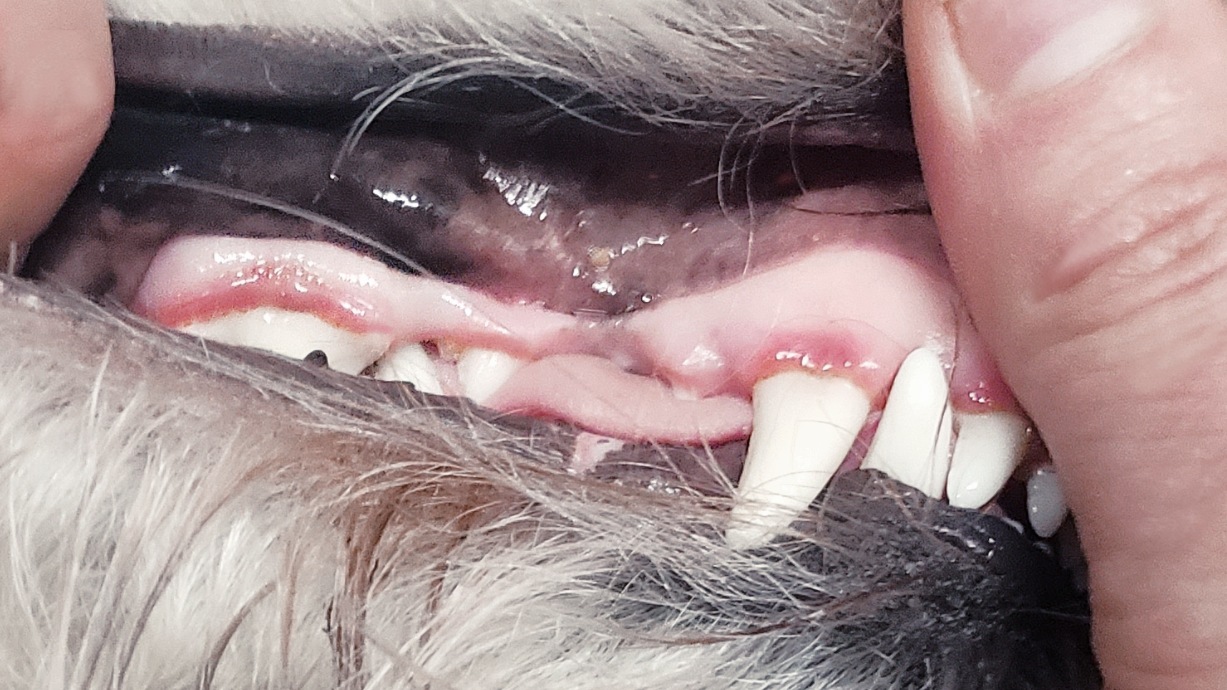
The best way to lower dog dental cleaning cost is to reduce the amount of disease that has to be treated during the cleaning. That means home care, early veterinary exams, and timely professional cleanings. It does not mean scraping teeth at home, choosing anesthesia-free cosmetic cleanings, or waiting until the dog stops eating.
Cost-saving steps that do not compromise care
- Brush daily with dog-safe toothpaste, or build up gradually if your dog is not ready for full brushing.
- Ask your veterinarian which dental chews, diets, wipes, or water additives fit your dog's mouth and health history.
- Schedule annual oral exams even when the teeth look acceptable from the outside.
- Ask whether February dental health promotions, wellness plans, or bundled preventive packages are available.
- Time routine bloodwork and dental planning together when your veterinarian says that is appropriate.
- Get an estimate early instead of waiting until pain, swelling, bleeding, or tooth mobility appears.
Dental chews and brushing help, but they do not replace professional evaluation. A dog can have a fractured tooth, retained root, or deep pocket that no chew can fix. Your home routine lowers risk between visits; the veterinary dental addresses disease that is already present.
Owners with multiple recurring pet expenses should plan dental care alongside boarding, grooming, insurance, and emergency funds. For comparison, see our dog boarding cost guide for travel budgeting and our PET scan cost with insurance guide for another example of how medical billing changes with coverage details.
What Should You Ask Before Approving a Dog Dental Cleaning Estimate?
A good dog dental cleaning estimate should make the decision clearer, not more confusing. Ask the clinic what is included in the base price, what could increase the bill, and how you will be contacted if the veterinarian finds diseased teeth. The most owner-friendly estimates separate likely costs from possible costs.
Start with the anesthesia plan. Ask who monitors anesthesia, whether an IV catheter is placed, what monitoring equipment is used, and whether your dog's age or medical history changes the plan. Then ask about dental radiographs. If X-rays are not included, ask when they are recommended and how much they cost. Finally, ask about extraction authorization, pain control, antibiotics, soft food, and recheck timing.
Estimate checklist
Before drop-off, know the base cost, likely total, maximum authorized amount, whether X-rays are included, how extractions are priced, when the clinic will call, and what home care your dog will need that evening.
It is also reasonable to ask what happens if the dental disease is more extensive than expected. Some clinics can treat everything in one procedure if the dog is stable. Others may stage treatment to limit anesthesia time, reduce cost shock, or refer complicated teeth. None of those answers are automatically wrong; you just want to know the plan before your dog is already under anesthesia.
FAQ
How much does dog dental cleaning cost?
Dog dental cleaning cost commonly starts around $350 to $700 for a routine anesthetized cleaning at a general practice, but advanced dental disease, X-rays, extractions, specialist care, and regional pricing can push the bill above $1,500. Ask for an itemized estimate because clinics bundle services differently.
Why is dog teeth cleaning so expensive?
Professional dog teeth cleaning is expensive because it is a medical procedure with anesthesia, airway protection, monitoring, dental instruments, trained staff, and recovery time. It also may uncover disease below the gumline that cannot be assessed in an awake dog.
Does pet insurance cover dog dental cleaning?
Many standard pet insurance policies do not cover routine preventive dental cleaning unless you buy a wellness add-on. Dental illness, extractions, oral trauma, and fractured teeth may be covered differently, so verify the policy before scheduling.
Is anesthesia-free dog teeth cleaning safe?
Anesthesia-free cleaning is not a true substitute for a veterinary dental because it cannot clean below the gumline, take proper dental X-rays, or treat painful teeth. It may make visible teeth look cleaner while disease remains hidden.
How often should dogs get teeth cleaned?
Cleaning frequency depends on the dog, but many dogs need yearly dental evaluation and some need cleanings more often. Small breeds, flat-faced dogs, seniors, and dogs with bad breath, bleeding gums, loose teeth, or heavy tartar should be assessed promptly.