Pet Insurance That Covers Breeding Costs
Pet insurance that covers breeding costs is one of the most misunderstood corners of the pet insurance market. Most standard policies explicitly exclude pregnancy, whelping, and any reproductive complication from coverage, which means breeders who assume their existing plan will help during an emergency C-section or difficult labor are often left paying thousands out of pocket when it matters most.
Whether you breed dogs professionally, raise a single litter from a beloved family pet, or manage a cattery, understanding how pet insurance that covers breeding costs actually works can save you significant money and heartbreak. This guide breaks down what breeding coverage includes, which provider types offer it, realistic premium and claims costs, and where the exclusions hide in the fine print.
Quick Answer
Standard pet insurance almost never covers breeding or pregnancy-related veterinary costs. To get breeding coverage, you need a specialty breeding rider, a breeder-specific policy, or a commercial livestock and kennel insurance plan. Breeding riders typically add $30 to $100 per month and cover emergency C-sections, dystocia treatment, prenatal complications, and sometimes neonatal care for puppies or kittens. The investment usually pays for itself with a single complicated delivery.
Key Takeaways
- Most mainstream pet insurance policies exclude all breeding, pregnancy, and whelping costs.
- Breeding riders or endorsements are available from specialty providers and typically cost $30-$100/month on top of a base premium.
- Emergency C-sections alone can run $2,000-$5,000+, making breeding coverage worthwhile for most active breeders.
- Waiting periods for breeding coverage are longer than standard illness, often 30-90 days before the mating date.
- Common exclusions include elective artificial insemination, genetic screening panels, cosmetic procedures, and pre-existing reproductive conditions.
- Compare breeding insurance options alongside general pet insurance plans at our Pet Insurance hub to find the right combination of coverage.
Table of Contents
- Why Standard Pet Insurance Excludes Breeding
- What Breeding Coverage Actually Includes
- Providers That Offer Breeding Riders or Plans
- Cost Breakdown: Breeding Insurance Premiums vs Out-of-Pocket
- What Breeding Insurance Does NOT Cover
- How to Evaluate a Breeding Insurance Policy
- Breeding Costs Without Insurance: What to Expect
- When Insurance Matters Most
- FAQ
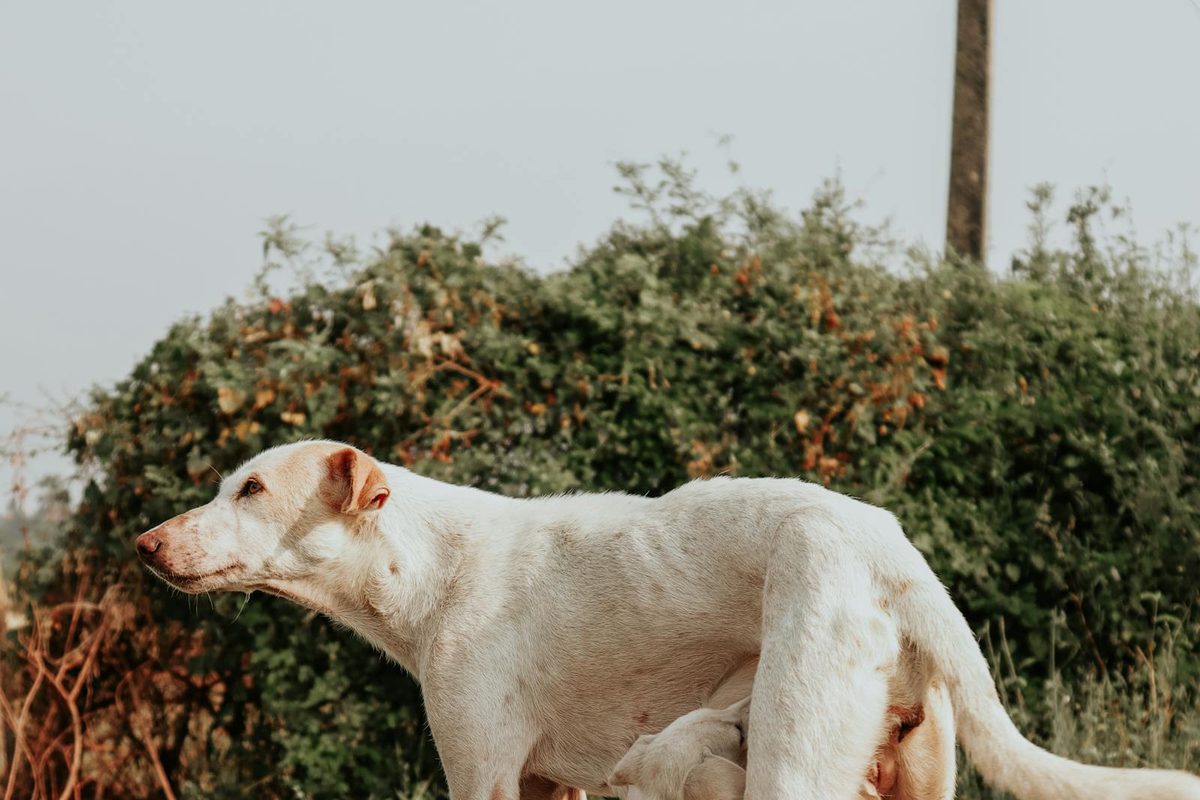
Why Standard Pet Insurance Excludes Breeding
To understand why you need specialty coverage, it helps to know why mainstream pet insurers draw the line at breeding. The reasoning comes down to three factors that fundamentally change the risk math for underwriters.
Breeding is considered an elective activity. Unlike accidental injuries or unexpected illnesses, breeding is a deliberate decision by the pet owner. Insurance companies model their premiums around unpredictable events. When the insured party is choosing to create a situation that carries known medical risks, most actuarial models treat this differently than, say, a dog developing cancer or swallowing a foreign object.
Pregnancy complications are statistically frequent. Depending on breed, dystocia rates in dogs can range from 5% in low-risk breeds to over 80% in certain brachycephalic breeds like English Bulldogs and French Bulldogs that routinely require surgical delivery. If a standard policy covered breeding, premiums for intact animals would need to increase dramatically for every policyholder, including those who never intend to breed.
Moral hazard concerns drive exclusions. Insurers worry that covering breeding would incentivize riskier breeding practices, less selective mating decisions, and delayed spay/neuter timelines. Rightly or wrongly, the industry treats reproductive coverage as a separate risk pool that requires its own pricing structure.
This is why virtually every consumer-facing pet insurance provider, including Healthy Paws, Embrace, Nationwide, Trupanion, and Pets Best, lists breeding, pregnancy, and whelping as standard exclusions in their base policies. Some of these same companies, however, offer add-on options or partner programs that do cover breeding under separate terms.
What Breeding Coverage Actually Includes
When you find a policy or rider that does cover breeding, the coverage components generally fall into four categories. Understanding each one helps you compare policies accurately rather than relying on marketing claims.
Prenatal Veterinary Care
This covers pregnancy confirmation visits, prenatal ultrasounds, progesterone testing during the breeding window, and monitoring appointments during gestation. Some policies bundle this into a pregnancy wellness package with set reimbursement limits. Prenatal care typically costs $500 to $1,500 per pregnancy when you include all ultrasounds, bloodwork, and checkup visits.
Whelping and Delivery Complications
This is the most financially significant coverage area. Whelping complications include dystocia (obstructed labor), uterine inertia, malpresentation of puppies or kittens, and any emergency intervention needed during delivery. Emergency C-sections are the single highest-cost breeding event, typically running $2,000 to $5,000 depending on your location, the time of day (after-hours emergency fees add significantly), and whether neonatal resuscitation is needed.
Emergency C-Sections
Most breeding policies specifically name emergency cesarean sections as a covered procedure. This is distinct from elective or pre-scheduled C-sections, which some breeds effectively require every time. Policy language matters here: a policy that covers "medically necessary" C-sections may still reimburse a planned C-section for a breed with documented high dystocia rates, while others only cover truly emergent situations where labor has stalled or become dangerous.
Neonatal Care
Some breeding riders extend coverage to the puppies or kittens for a limited window after birth, typically 48 hours to two weeks. This can include resuscitation at birth, tube feeding support, treatment for fading puppy or kitten syndrome, and emergency veterinary intervention for newborns that fail to thrive. Not all policies include neonatal coverage, and those that do often cap it at a per-litter or per-puppy amount.
Providers That Offer Breeding Riders or Plans
Finding pet insurance that covers breeding costs requires looking beyond the standard consumer pet insurance market. Here are the main categories of providers and how they structure breeding coverage.
Specialty Breeder Insurance Providers
Companies that focus specifically on breeders, kennels, and catteries offer the most comprehensive reproductive coverage. These providers understand the breeding lifecycle and build their policies around it. Plans from specialty breeder insurers typically cover prenatal care, whelping complications, C-sections, neonatal care, and sometimes even stud dog reproductive issues. Premiums reflect the higher risk profile, but coverage limits are usually meaningful enough to handle genuine emergencies. Look for providers that insure through agricultural or commercial underwriters rather than standard pet insurance carriers.
Breeding Endorsements on Standard Policies
A small number of mainstream pet insurance companies offer optional breeding endorsements or riders that can be added to an existing policy. These riders are not always advertised prominently, so you may need to call and ask specifically. Breeding endorsements typically have their own waiting period, their own deductible, and a separate annual limit from your base policy. Coverage tends to be narrower than a standalone breeder policy, often focusing primarily on emergency C-sections and acute whelping complications.
Kennel and Cattery Business Insurance
If you operate as a registered breeding business, commercial kennel insurance policies often include reproductive coverage as part of a broader business liability and animal care package. These policies can cover breeding complications, loss of a breeding animal, and sometimes even loss-of-litter scenarios. They are priced as commercial insurance, which means annual premiums are higher but coverage tends to be more comprehensive and better suited to someone managing multiple breeding animals.
Agricultural and Livestock Insurance
In some regions and for certain high-value breeds, agricultural insurance underwriters will write policies for individual breeding dogs or cats. This approach is more common with working breeds, show-line animals, and dogs with significant documented value. Coverage structures resemble livestock insurance more than traditional pet insurance, with mortality coverage, loss-of-use provisions, and breeding failure components.
Cost Breakdown: Breeding Insurance Premiums vs Out-of-Pocket
The central question for most breeders is whether the monthly premium cost of breeding insurance is justified by the potential savings. Here is how the math typically works across different scenarios.
A breeding rider on an existing pet insurance policy generally adds $30 to $100 per month, depending on the breed risk profile, the age of the dog or cat, and the insurer. Over a 12-month policy period, that represents $360 to $1,200 in annual premium costs specifically for breeding coverage.
A standalone breeder insurance policy may cost $800 to $2,500 per year per breeding animal, with higher premiums for brachycephalic breeds, older animals, or those with previous reproductive complications. These policies often include higher coverage limits and broader scope than add-on riders.
The breakeven point becomes clear when you compare these premiums against even one moderate complication. A single emergency C-section at an after-hours emergency clinic can easily run $3,500 to $5,500 when you include the surgical fee, anesthesia, monitoring, overnight hospitalization, and neonatal support. In that scenario, even a full year of premium payments at the high end represents less than half the cost of the emergency procedure.
| Coverage Area | With Insurance | Without Insurance | Notes | Urgency |
|---|---|---|---|---|
| Prenatal Ultrasounds and Monitoring | $0-$300 (after deductible) | $500-$1,500 | Multiple ultrasounds recommended at 25-30 and 45+ days | Moderate |
| Normal Whelping with Vet Assist | $0-$200 (after deductible) | $300-$800 | Vet-supervised whelping for high-risk breeds | Moderate |
| Emergency C-Section | $200-$750 (after deductible) | $2,000-$5,500+ | After-hours emergency fees increase cost significantly | High |
| Dystocia Treatment (Non-Surgical) | $100-$400 (after deductible) | $800-$2,500 | Includes oxytocin administration, manual assistance, monitoring | High |
| Neonatal Emergency Care (Per Litter) | $0-$500 (if covered) | $500-$3,000+ | Not all policies include neonatal; verify before enrollment | High |
| Postpartum Complications (Metritis, Eclampsia) | $100-$400 (after deductible) | $1,000-$3,500 | Eclampsia is life-threatening and requires immediate IV calcium | High |
| Annual Breeding Rider Premium | $360-$1,200/year | $0 | Premium varies by breed risk and provider | N/A |
For breeders producing even one litter per year, the financial protection against a single major complication typically justifies the premium. For breeders with multiple breeding animals or high-risk breeds, insurance becomes less of a question and more of a business necessity.
What Breeding Insurance Does NOT Cover
Even the most comprehensive breeding policies have exclusions. Knowing these gaps upfront prevents unpleasant surprises at claims time and helps you budget for costs that will always come out of pocket.
Genetic and Health Screening Panels
Pre-breeding health testing, which responsible breeders perform as standard practice, is almost never covered by breeding insurance. This includes hip and elbow evaluations (OFA or PennHIP), cardiac screening, eye certifications (CERF/OFA), DNA panels for breed-specific genetic conditions, and brucellosis testing. These tests typically cost $500 to $2,000 per breeding candidate depending on the breed and number of required clearances. While essential for responsible breeding, insurers classify these as elective pre-breeding expenses rather than medical treatment.
Artificial Insemination
Surgical and transcervical artificial insemination, semen collection, shipping, and storage are not covered under breeding insurance policies. Fresh AI procedures range from $200 to $500 per attempt, while surgical or transcervical insemination with shipped frozen semen can run $500 to $1,500 or more. These are considered elective breeding management decisions rather than medical events.
Elective Cesarean Sections
This is where policy language becomes critically important. Some brachycephalic breeds, particularly English Bulldogs, French Bulldogs, and Boston Terriers, have C-section rates exceeding 80% for safe delivery. Some policies will not cover a C-section for these breeds because it is considered a predictable, planned procedure rather than an emergency. Other policies use "medically necessary" language that may include planned C-sections when vaginal delivery poses a documented risk. Read this section of any policy very carefully before enrolling.
Cosmetic Procedures on Puppies
Tail docking, ear cropping, dewclaw removal, and other breed-standard cosmetic procedures on newborn puppies are excluded from breeding insurance. These are considered elective and non-medical regardless of breed standard expectations.
Pre-Existing Reproductive Conditions
If your breeding animal has a documented history of reproductive complications, including previous dystocia, pyometra, or retained placentas, some policies may exclude coverage for recurrence of those specific conditions. This is similar to how standard pet insurance handles pre-existing conditions, but applied specifically to the reproductive history.
Breeding Failure and Infertility Workups
Failed breeding attempts, missed pregnancies, infertility diagnostics, and hormonal treatment to improve fertility are generally excluded. Insurance covers what happens when pregnancy occurs and goes wrong, not the process of achieving pregnancy in the first place.
How to Evaluate a Breeding Insurance Policy
Not all breeding coverage is equal. When comparing policies, use the following criteria to assess whether a particular plan actually provides meaningful financial protection for your breeding program.
Check the Waiting Period Carefully
Breeding coverage waiting periods are typically much longer than standard illness or accident coverage. Many providers require that the policy be active for 30 to 90 days before the mating date, not just before the due date. If you enroll after your dog is already pregnant, the current pregnancy will almost certainly be excluded. Plan enrollment timing well ahead of any breeding plans.
Understand the Deductible Structure
Some breeding riders carry their own deductible that is separate from your base pet insurance deductible. This means you could pay two deductibles in the same year if your breeding animal also has a non-reproductive health claim. Confirm whether the breeding deductible is per-incident, per-pregnancy, or annual, as this significantly affects your actual out-of-pocket costs.
Verify Coverage Limits and Sublimits
A policy might advertise $10,000 in annual breeding coverage, but buried in the terms you may find sublimits: perhaps $3,000 maximum per C-section, $1,000 per pregnancy for prenatal care, and $500 for neonatal care. If a complicated delivery requires emergency surgery, extended hospitalization, and neonatal support, those sublimits can leave significant expenses uncovered. Look for policies with per-incident limits that are high enough to realistically cover a worst-case scenario in your area.
Review the Reimbursement Percentage
Most breeding coverage follows the same reimbursement model as standard pet insurance, typically 70%, 80%, or 90% of covered costs after the deductible. Higher reimbursement percentages come with higher premiums, so choose the level that balances your monthly budget against your risk tolerance. For a $4,000 emergency C-section, the difference between 70% and 90% reimbursement is $800 in your pocket.
Confirm Breed-Specific Restrictions
Some providers will not offer breeding coverage for certain breeds known for extremely high complication rates, or they will apply breed-specific surcharges and exclusions. Brachycephalic breeds often face either higher premiums, lower coverage limits, or explicit exclusions for planned C-sections. If you breed brachycephalic dogs, get breed-specific terms in writing before you enroll.
Ask About Multi-Animal Discounts
If you have multiple breeding animals, some providers offer kennel or multi-pet pricing that can reduce the per-animal cost of breeding coverage. This is particularly relevant for established breeding programs where insuring three or more animals individually would be prohibitively expensive.
Breeding Costs Without Insurance: What to Expect
To put insurance premiums in perspective, here is a realistic breakdown of what a single breeding cycle costs out of pocket in the United States when everything goes right, and what happens to the budget when things go wrong.
Routine Breeding Cycle Costs
A straightforward, complication-free breeding cycle for a dog typically costs $1,500 to $4,000 in veterinary expenses alone. This includes pre-breeding health screening ($500-$2,000), progesterone timing ($200-$500 for multiple tests), pregnancy confirmation ultrasound ($200-$500), prenatal checkups ($150-$400), and whelping supplies ($100-$300). These costs exist whether or not you have insurance, as most of these items fall under elective or wellness categories that breeding insurance does not cover.
When Complications Arise
Complications transform the cost picture entirely. A difficult labor that requires veterinary intervention but not surgery might add $800 to $2,500 in emergency exam fees, oxytocin or calcium gluconate administration, and extended monitoring. A labor that progresses to an emergency C-section at a specialty or after-hours emergency hospital jumps to $2,000 to $5,500 for the surgical procedure alone.
If the dam develops postpartum complications such as metritis (uterine infection), eclampsia (dangerously low calcium), or mastitis, treatment costs add another $500 to $3,500 depending on severity and whether hospitalization is required. Eclampsia in particular is a veterinary emergency that requires immediate IV calcium therapy and monitoring.
Neonatal complications in the litter can add further costs. Fading puppies or kittens that require tube feeding, incubator care, or emergency veterinary intervention can cost $200 to $1,000 per puppy in veterinary fees, plus the significant time investment of round-the-clock care.
The Self-Insurance Approach
Some experienced breeders choose to self-insure by maintaining a dedicated breeding emergency fund rather than paying premiums. This approach can work if you consistently set aside $2,000 to $5,000 per breeding animal per year and never dip into the fund for other expenses. The advantage is that money not spent on emergencies stays in your account. The disadvantage is that a catastrophic event early in your breeding program, before the fund has grown, can be financially devastating. First-time breeders and those with high-risk breeds are generally better served by actual insurance coverage until they build sufficient reserves.
When Insurance Matters Most
Certain situations dramatically increase the value of having breeding coverage in place. If any of the following apply to your situation, breeding insurance shifts from optional to strongly recommended.
- First-time breeders: Without experience reading labor signs and timing veterinary intervention, complications are more likely to escalate before you recognize them. Insurance provides a financial safety net while you learn.
- Brachycephalic breeds: English Bulldogs, French Bulldogs, Boston Terriers, Pugs, and similar breeds have inherently high C-section rates. Breeding these dogs without surgical delivery coverage is an outsized financial gamble.
- Toy and miniature breeds: Chihuahuas, Yorkshire Terriers, Pomeranians, and other very small breeds face elevated dystocia risk due to relatively large puppy size compared to the birth canal. Emergency intervention rates are higher than in medium and large breeds.
- Older breeding animals: Dams over age five face increased risks for uterine inertia, eclampsia, and delivery complications. If you are breeding an older dog, the statistical likelihood of needing covered intervention is substantially higher.
- Singleton or very large litters: Both extremes carry risk. Singleton puppies can grow oversized, increasing C-section probability. Very large litters increase the chance of uterine fatigue and incomplete delivery.
- Geographic areas with limited emergency access: If your nearest emergency veterinary hospital is more than 30 minutes away, complications that might be manageable with quick intervention can escalate. Insurance ensures you do not hesitate to seek emergency care because of cost concerns.
In any of these scenarios, the cost of not having coverage during a genuine emergency far exceeds the annual premium investment. The goal of breeding insurance is not to profit from claims. It is to ensure that financial pressure never delays a medical decision that could save your dam or her offspring.
Related Guides
Frequently Asked Questions
Does regular pet insurance cover breeding complications?
Most standard pet insurance policies explicitly exclude breeding, pregnancy, and whelping complications. You need a specialty breeding rider or a policy from a provider that specifically includes reproductive coverage. Always check the exclusions section of any policy before assuming breeding events are covered.
How much does breeding insurance cost per month?
Breeding riders or endorsements typically add $30 to $100 per month on top of a base pet insurance premium, depending on the breed, age of the dog, and the level of reproductive coverage included. Standalone breeder policies may cost $800 to $2,500 per year per breeding animal.
Does breeding insurance cover C-sections?
Most breeding insurance policies do cover emergency C-sections when medically necessary due to dystocia or other labor complications. Elective or pre-scheduled C-sections for brachycephalic breeds may or may not be covered depending on the specific policy terms. Review the exact language around "medically necessary" versus "emergency only" before enrolling.
Is breeding insurance worth it for a first-time breeder?
For first-time breeders, breeding insurance can be especially valuable because you have less experience identifying early warning signs during pregnancy and whelping. A single emergency C-section can cost $2,000 to $5,000 or more, which often exceeds an entire year of breeding rider premiums. The financial protection and peace of mind are particularly worthwhile when you are still learning.
What is the waiting period for breeding coverage to take effect?
Waiting periods for breeding coverage are typically longer than standard illness coverage, often ranging from 30 to 90 days. Some providers require that coverage be active before the mating date, not just before the expected due date. Enrolling early, well before a planned breeding, is essential to ensure coverage is in place when you need it.
Final Verdict
Pet insurance that covers breeding costs fills a critical gap that standard pet insurance deliberately leaves open. For breeders managing the financial risk of pregnancy complications, emergency C-sections, and neonatal emergencies, the right breeding rider or specialty policy can turn a potential $5,000 crisis into a manageable copay.
The key is enrolling early, reading the fine print carefully, understanding your breed-specific risk profile, and choosing a policy with coverage limits that realistically match emergency costs in your area. Whether you add a breeding endorsement to an existing plan or invest in a standalone breeder policy, the protection is almost always worth the premium for anyone actively breeding dogs or cats. Start by comparing general pet insurance structures at our Pet Insurance hub, then layer in breeding-specific coverage to build a complete financial safety net for your breeding program.