Best Food for Elderly Cats
The best food for elderly cats should match what happens after age 11: lower activity, changing appetite, dental wear, and higher risk for kidney and joint concerns. Owners often use standard senior formulas successfully, but very old cats usually need tighter feeding strategy, not just a different bag label.
This guide is specifically for elderly cats (11+), not general senior feeding. We compare practical formulas, show how to balance wet and dry textures, and explain how to adjust meals when appetite drops. You will also see where this topic overlaps with best food for older cats, best cat food for senior cats, best senior cat food, and best wet food for senior cats searches.
Quick Answer
For most 11+ cats, the best plan combines moisture-rich meals, digestible protein, controlled calories, and portion consistency. Start with one reliable formula, monitor weight and appetite weekly, then adjust texture and calories before switching brands repeatedly.
Key Takeaways
- Elderly cats need higher feeding precision than younger seniors.
- Hydration and digestibility matter as much as protein percentage.
- Wet food often improves intake when smell and chewing comfort decline.
- Small frequent meals help fragile appetite and stabilize total calories.
- Cross-check body condition, litter habits, and bloodwork trends monthly.
Table of Contents
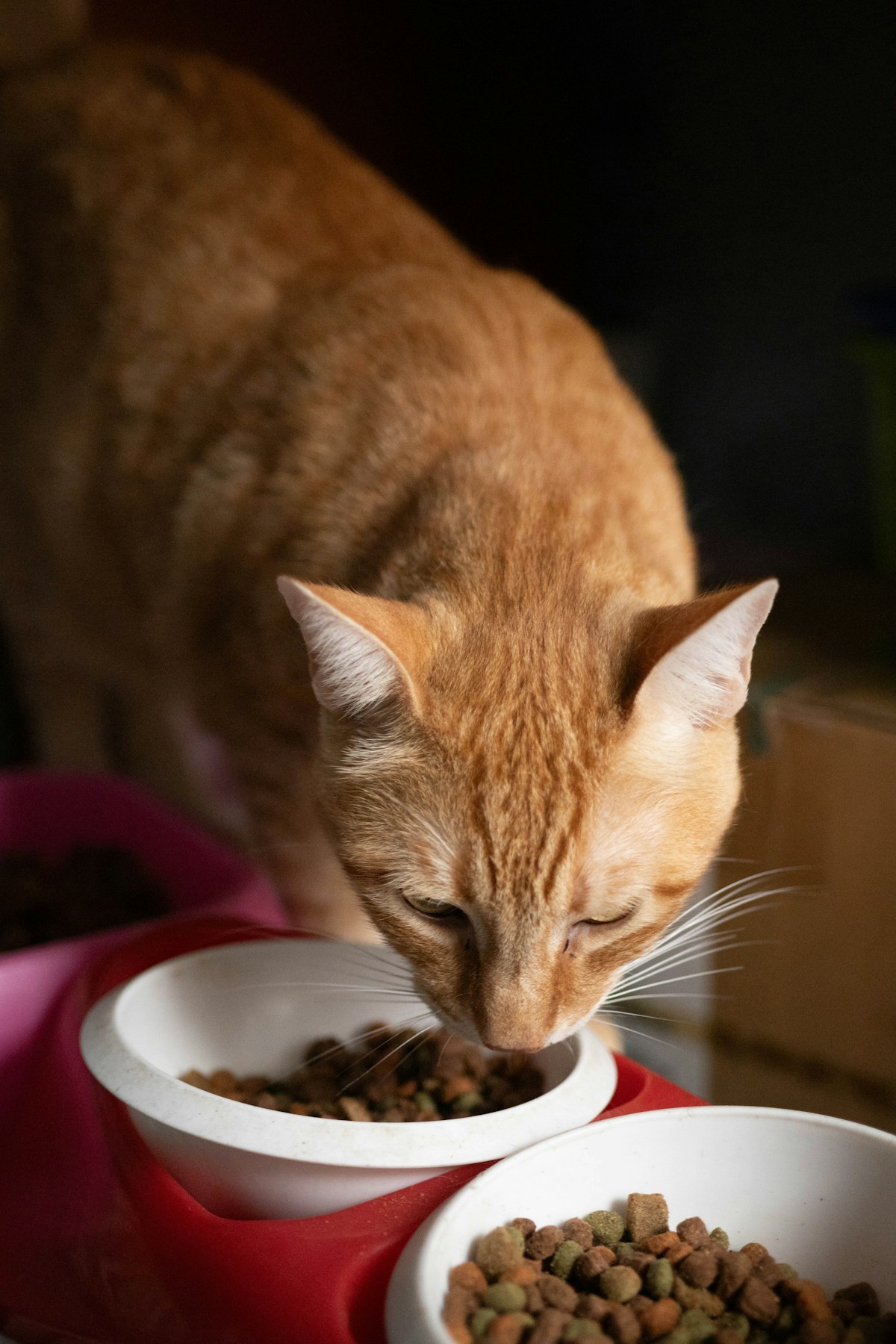
Top Food Picks for Elderly Cats (11+)
These picks were chosen for digestibility, texture flexibility, and real-world consistency for owners managing appetite swings and age-related health flags.
| Product | Key Feature | Best For | Price Range | Rating |
|---|---|---|---|---|
| Hill's Science Diet Adult 11+ | Age-targeted nutrient profile for 11+ cats | Stable indoor elderly routines | $25-$52 | 4.7/5 |
| Royal Canin Aging 12+ Thin Slices | Soft texture and aroma-forward wet format | Cats with reduced chewing comfort | $32-$60 | 4.6/5 |
| Purina Pro Plan Prime Plus 7+ | Senior support with broad availability | Households needing easy restocking | $24-$49 | 4.5/5 |
| Wellness Complete Health Senior | Digestibility and ingredient transparency focus | Sensitive digestion in older cats | $23-$46 | 4.5/5 |
| Blue Buffalo Tastefuls Senior 7+ | Senior-targeted formula at moderate cost | Budget-aware daily feeding | $22-$42 | 4.4/5 |
| IAMS Healthy Senior Indoor | Accessible entry-level senior option | Owners testing first senior transition | $18-$36 | 4.3/5 |
Detailed Product Reviews
1) Hill's Science Diet Adult 11+
This formula aligns closely with elderly-cat goals because it targets the age bracket where mobility slows and appetite patterns become less predictable. For owners asking specifically about the best food for elderly cats, age-matched formulas can reduce trial-and-error early in the transition.
Its consistency and broad availability make it practical for long-term feeding instead of constant product switching.
2) Royal Canin Aging 12+ Thin Slices
Texture is a core benefit. Many very old cats with dental wear or oral discomfort tolerate thin-slice wet foods better than dry-only diets. Aroma-forward wet meals also support cats that are eating less due to reduced smell sensitivity.
This is one of the stronger options if your cat needs hydration support and gentle chewing effort in the same bowl.
3) Purina Pro Plan Prime Plus 7+
Prime Plus is useful when owners want a mainstream product line with easier retail access and flexible dry/wet options. It can serve as a stable baseline in households where frequent reordering and stock outages are common.
For 11+ cats, portion control and hydration still matter more than label branding, so combine it with measured feeding.
4) Wellness Complete Health Senior
This product is often chosen by owners prioritizing digestive comfort and ingredient clarity. If your elderly cat has intermittent stool inconsistency, this can be a reasonable trial option with gradual transition.
Use a seven-to-ten-day changeover and avoid introducing new treats at the same time so results stay interpretable.
5) Blue Buffalo Tastefuls Senior 7+
A practical middle-ground choice that can work for elderly cats when paired with wet food for moisture support. It offers many homes a manageable cost profile without dropping to low-consistency feeding patterns.
Best performance comes from routine: fixed portions, stable schedule, and periodic body-condition checks.
6) IAMS Healthy Senior Indoor
This is a useful low-friction starting point for families moving from adult formulas to older-cat feeding. It is widely stocked and easier to test before investing in higher-cost niche options.
When appetite is fragile, consider combining with wet toppers and warm water to increase aroma and hydration.
How Elderly Cats Differ From Standard Senior Cats
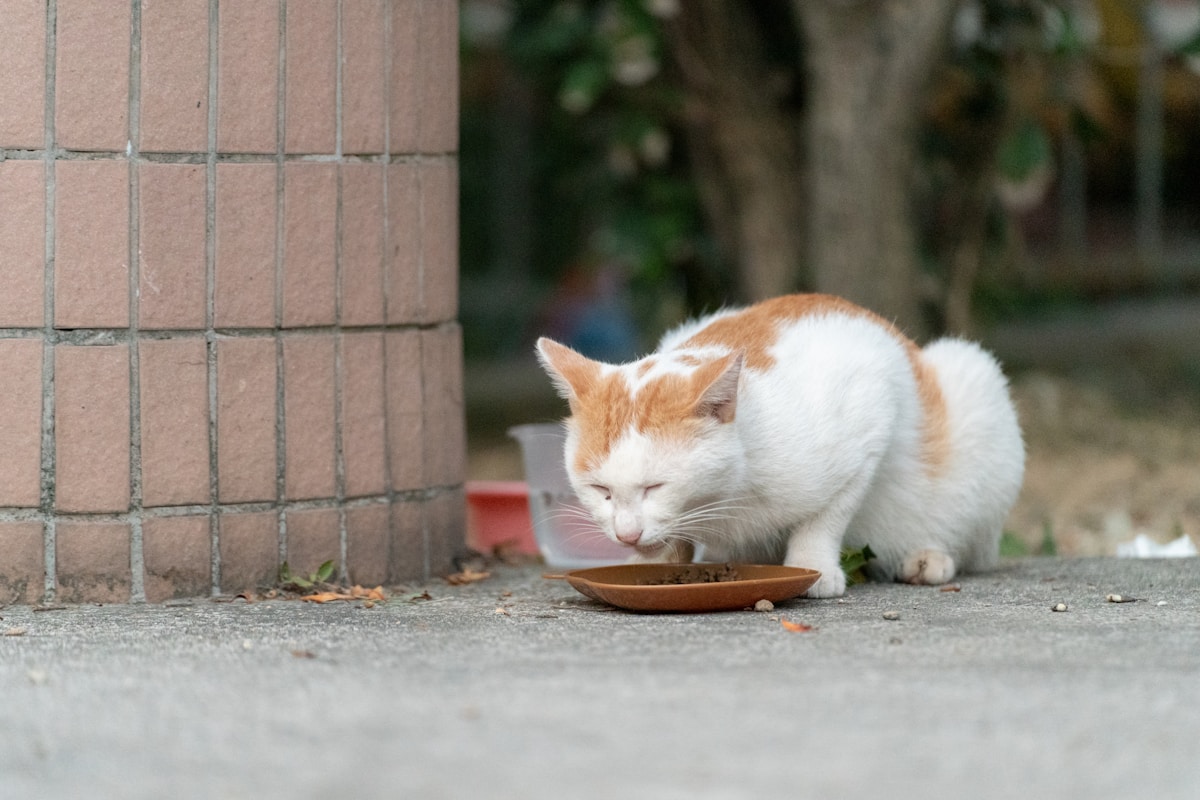
Many feeding guides group every cat over 7 years into one category, but that misses practical differences in the 11+ stage. Elderly cats often show sharper changes in appetite strength, chewing comfort, hydration reliability, and body condition stability.
This is why we treat elderly feeding as its own strategy. You can start from our best food for older cats framework, but 11+ cats usually need tighter monitoring and more texture flexibility than younger seniors.
For broad comparisons, also review best cat food for senior cats and best senior cat food to align product options with your cat's current symptom profile.
Wet vs Dry for Elderly Cats
The wet-vs-dry decision is rarely all-or-nothing. Wet food improves hydration and often helps older cats eat more reliably due to aroma and softer texture. Dry food supports convenience, can be easier to portion for some homes, and may lower total cost.
For many elderly cats, a mixed strategy works best: wet food as the primary meal base plus measured dry amounts for calorie structure. If you are researching best wet food for senior cats, treat it as a hydration tool inside a full routine, not a standalone fix.
When dental pain is suspected, prioritize softness and veterinary oral evaluation quickly. Forcing hard kibble can lower intake and accelerate weight loss.
Practical Feeding Plan for Cats 11+
Stage 1: Transition Week
Move gradually from old food to new formula over 7 to 10 days. Start with small percentages of new food and increase only when stool and appetite remain stable. Avoid new treats during this period.
Stage 2: Stabilization Weeks 2 to 4
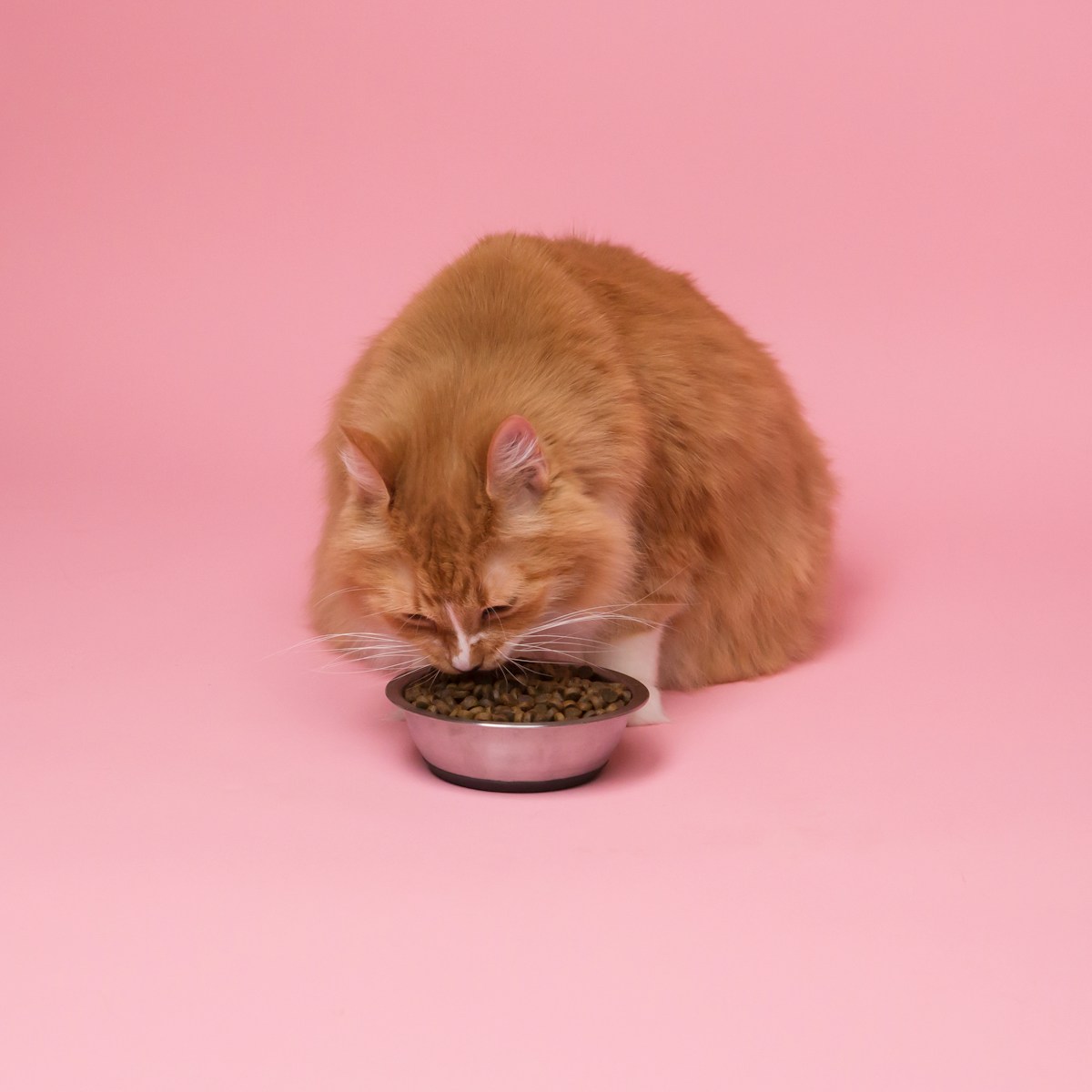
Lock in a repeatable schedule with three to five small meals daily. Track body weight once per week and note appetite quality, hydration behavior, and litter box trends. Consistency beats constant optimization attempts.
Stage 3: Monthly Review
Adjust calories and texture based on condition score, not assumptions. If your cat loses weight, consider higher-calorie wet options or calorie-dense toppers with veterinary approval. If your cat gains excess weight, tighten portions before changing brands.
Kidney, Joint, Dental, and Appetite Priorities
Kidney support: prioritize hydration first and discuss phosphorus management with your veterinarian. Fresh water stations and moisture-rich meals can make a major difference in daily intake.
Joint comfort: while food is not a full arthritis treatment, stable protein intake and healthy body weight reduce loading stress and support mobility routines.
Dental comfort: cats with oral pain may reduce food intake before obvious signs appear. Softer textures and early dental evaluation protect both nutrition and comfort.
Appetite stimulation: serve smaller meals, warm wet portions slightly, and limit stress during feeding windows. Elderly cats often eat better in calm, low-traffic environments.
How We Chose
Our scoring model for elderly cat foods emphasizes:
- 11+ suitability: relevance to very old cat physiology and behavior.
- Texture flexibility: support for mixed wet-and-dry routines.
- Digestibility: practical tolerance in fragile appetite cycles.
- Availability: consistent access for long-term use.
- Cost predictability: sustainable month-to-month feeding.
We align recommendations with aging-pet care guidance from the AVMA, nutrition explainers from PetMD, and life-stage resources from the AKC.
Related Guides
Frequently Asked Questions
What age counts as elderly for cats?
Most veterinary life-stage models treat 11 years and older as the elderly bracket where care needs usually become more individualized.
Can I keep feeding regular senior food after age 11?
Yes, if your cat is thriving. Many cats do well on senior formulas, but 11+ cats often need tighter monitoring and texture adjustments.
Why does my elderly cat eat less some days?
Common reasons include reduced smell sensitivity, dental discomfort, stress, and mild nausea. Smaller warmer meals often improve intake.
Should I change foods immediately if stool softens?
Not always. Check portion size first, remove new extras, and observe for 48 hours. Persistent changes should be discussed with your veterinarian.
How do I prevent weight loss in a very old cat?
Use frequent small meals, moisture-rich calorie-dense options, and weekly weight checks so you can adjust early instead of reacting late.
Final Verdict
The best food for elderly cats is the plan you can execute consistently while supporting hydration, digestion, and comfort through the 11+ stage. Focus on stable routines, flexible texture options, and measured portions that match real appetite patterns.
When you treat elderly feeding as a dynamic care system rather than a single product decision, you can protect quality of life and keep nutrition aligned with changing health needs.