Shih Tzu Dog Health Problems: What Owners Should Screen for Early
Shih tzu dog health problems are most manageable when owners actively monitor breathing, eyes, teeth, and movement instead of treating symptoms as normal breed quirks. The biggest risk reducer is a structured prevention routine that combines daily home checks with scheduled veterinary screening before discomfort becomes an emergency.
Shih tzu dog health problems usually cluster around airway anatomy, eye surface disease, dental crowding, and small-breed orthopedic wear, which means prevention decisions made in puppyhood can change outcomes years later. Families who track baseline breathing rate, eye comfort, oral health, body condition, and mobility trends often catch disease at a more treatable stage and avoid avoidable hospital-level care. This guide gives you a practical system for screening, escalation, and budget planning so you can respond quickly when your Shih Tzu signals that something is changing.
Key Takeaways
- Shih tzu health issues are often multi-system, so breathing, eyes, teeth, and joints should be monitored together.
- Brachycephalic airway stress can look mild at first; noise, effort, and heat intolerance patterns matter more than one bad day.
- Chronic eye irritation and dental disease are common drivers of preventable pain and repeated vet visits in this breed.
- Weight control and low-impact exercise reduce joint stress and improve respiratory comfort at the same time.
- A written emergency plan for breathing distress and sudden eye pain can shorten time-to-treatment during critical events.
Table of Contents
- What Health Problems Are Shih Tzus Prone To Most Often?
- Do Shih Tzus Have Breathing Problems?
- Why Are Eye Problems So Common in Shih Tzus?
- Are Shih Tzus Prone to Dental Disease?
- How Do Joint and Skin Conditions Affect Daily Function?
- What Screening Schedule Works by Life Stage?
- What Do Typical Shih Tzu Health Problems Cost?
- What Daily Prevention Routine Works in Real Homes?
- FAQ

What Health Problems Are Shih Tzus Prone To Most Often?
Most common Shih Tzu disease patterns are not random; they are predictable enough that owners can build routines before symptoms escalate. Airway compromise from brachycephalic structure, chronic ocular irritation from facial conformation, dental crowding with periodontal progression, patellar instability, skin-fold inflammation, and occasional congenital organ concerns are recurrent themes in both primary and specialty practice. If you approach these as separate issues only when symptoms flare, costs and discomfort rise. If you treat them as one integrated risk profile, care gets simpler and less reactive.
The highest-value first step is creating objective baselines. Measure resting respiratory rate when your dog is calm. Record weekly body weight and body-condition trends. Keep monthly photos of eyes and tear staining under consistent lighting. Log oral odor changes, chewing preference shifts, and gum appearance. These simple records remove guesswork and help your veterinarian determine whether progression is mild, moderate, or urgent. They also improve tele-triage decisions when symptoms appear outside clinic hours.
Owners should also clarify emergency thresholds in advance. A mild snore at rest may be routine for one dog, while rapid effortful breathing with heat exposure can become life-threatening quickly. Light eye discharge may be chronic and manageable, but sudden squinting with corneal cloudiness is an urgent case. Prevention is not only about reducing disease incidence; it is about minimizing treatment delays when true emergencies occur.
| Risk Area | Early Home Signs | When to Call the Vet | Urgency Trigger |
|---|---|---|---|
| Airway stress | Louder breathing, reduced heat tolerance, slower recovery after play | If pattern persists for more than a few days | Open-mouth distress, cyanosis, collapse |
| Eye irritation | Squinting, tearing, pawing at face, light sensitivity | Same day if persistent | Sudden pain, cloudiness, inability to open eye |
| Dental disease | Bad breath, tartar buildup, chewing changes | At routine check or sooner for pain signs | Facial swelling, bleeding, not eating |
| Patellar instability | Intermittent skipping gait, reluctance to jump | Within 1 to 2 weeks | Non-weight-bearing lameness |
Do Shih Tzus Have Breathing Problems?
Many Shih Tzus can have functional airway limitations because they are brachycephalic, but severity ranges from mild noise to clinically significant airway obstruction. The important distinction is between familiar sounds and increased respiratory effort. Owners often normalize snorting and snoring, yet progressive airway disease usually declares itself through worsening heat intolerance, reduced exercise recovery, increased nighttime restlessness, or stress-related breathing episodes that were not present a year earlier.
Airway risk management starts at home. Avoid high-heat activity windows, prioritize climate control in summer, use harnesses instead of neck pressure collars, and schedule frequent short activity bouts rather than long intense sessions. Dogs with known airway compromise should have explicit travel planning: cooling options, reduced exertion transitions, and a same-day emergency path if distress escalates. These logistics sound simple, but they prevent crisis decisions in parking lots or on weekends when specialty access is delayed.
Veterinary assessment may include physical exam scoring for airway noise and effort, sedation-based airway inspection, imaging, and staged intervention decisions. For some dogs, conservative management is enough. For others, surgical airway correction meaningfully improves quality of life and reduces heat-risk events. The decision is individualized, but delayed evaluation generally narrows options because chronic inflammation and secondary stress patterns compound over time.
Heat Safety Reality Check
If your Shih Tzu shows noisy breathing at rest, persistent panting indoors, or prolonged recovery after light activity, treat that as clinical data rather than personality. In brachycephalic breeds, "just hot" can become urgent faster than owners expect.
Why Are Eye Problems So Common in Shih Tzus?
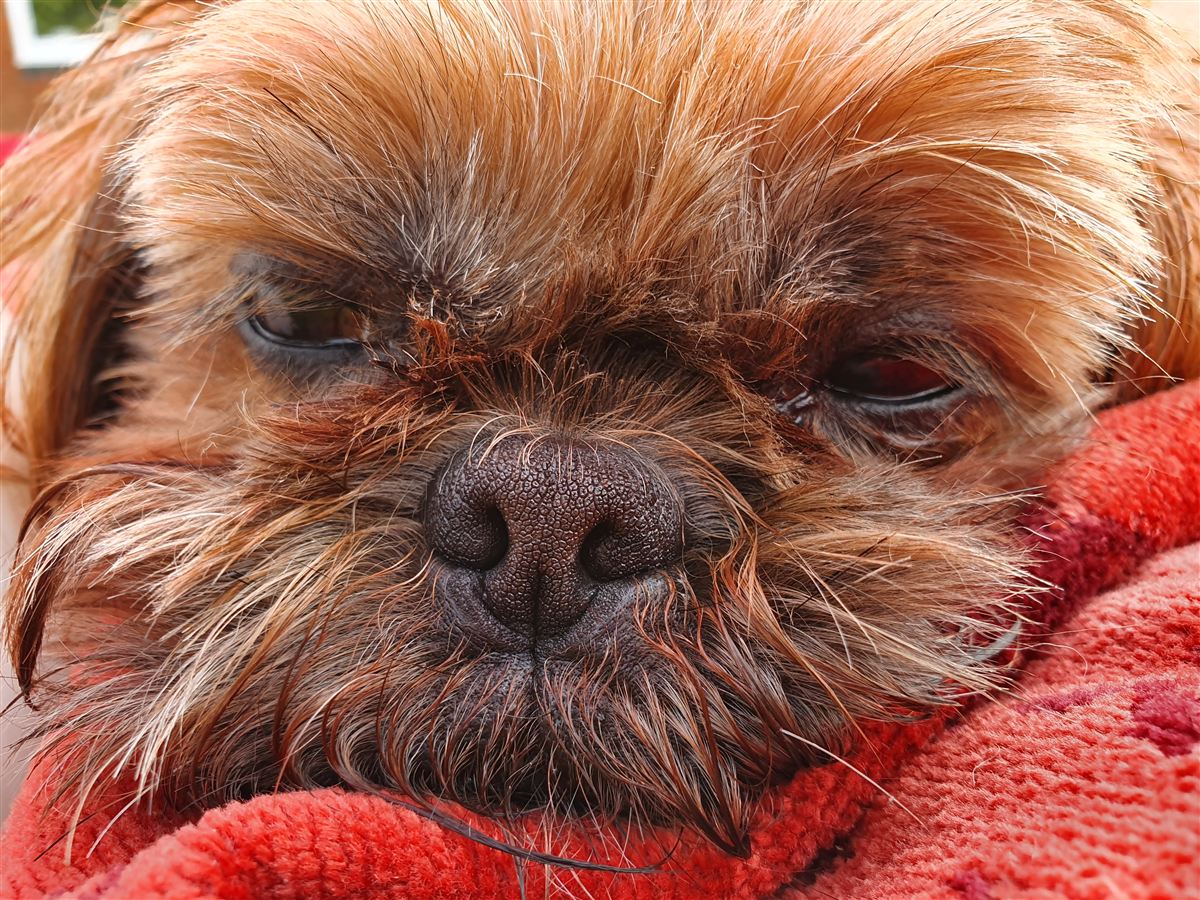
Shih Tzu eye problems are common because facial structure can increase exposure, tear-film instability, and irritation risk, while long facial hair can trap debris and worsen surface inflammation. Owners may see recurring tear staining and assume cosmetic only concerns, but ongoing irritation can mask clinically meaningful disease such as dry-eye syndromes, corneal ulcer risk, eyelid issues, or chronic conjunctival inflammation. The practical goal is not perfect appearance; it is preserving comfort and vision through early detection.
Daily eye checks should be brief and standardized. Compare left and right eyes for symmetry, redness, squinting, discharge consistency, and cloudiness. Note whether your dog avoids bright rooms, rubs at furniture, or blinks excessively after outdoor walks. A one-minute routine catches shifts that memory misses. If symptoms recur despite basic cleaning and grooming, request a focused ophthalmic exam rather than repeated over-the-counter trial-and-error treatments.
Prevention includes grooming discipline around the face, avoiding irritant shampoos near eyes, and maintaining indoor humidity when air is dry. Dogs with repeated corneal or tear-film issues often benefit from scheduled rechecks rather than symptom-only visits. Owners who keep a symptom log with photos reduce time to diagnosis and avoid repeated emergency care for pain flares that could have been addressed in planned appointments.
Eye-related warning signs that warrant same-day evaluation
- Persistent squinting or inability to keep one eye open.
- Sudden cloudiness or blue-white surface appearance.
- Thick yellow-green discharge with redness and discomfort.
- Repeated face rubbing combined with vocalization.
- Any traumatic eye event, even if your dog seems calmer later.
Are Shih Tzus Prone to Dental Disease?
Yes. Periodontal disease is one of the highest-probability, highest-impact chronic health issues in small breeds, including Shih Tzus. Tooth crowding, plaque retention, and delayed preventive cleaning can lead to gum inflammation, pain, tooth loss, and systemic inflammatory burden. Many owners underestimate severity because dogs continue eating soft foods even with significant oral discomfort. The absence of appetite collapse does not mean oral disease is mild.
A practical dental protocol combines daily home brushing, chew strategy, and scheduled professional evaluations. If daily brushing sounds unrealistic, start with five short sessions per week and build consistency before aiming for perfection. Use measurable goals: reduced gingival redness, lower odor intensity, and cleaner molar surfaces over time. During wellness visits, ask for periodontal staging comments so your records show trend direction, not just a yes/no statement that tartar exists.
Dental health also affects budgeting. Preventive cleanings at planned intervals are usually lower variance than delayed procedures requiring extractions, anesthesia complexity, and post-op pain support. If you are already balancing multiple preventive expenses, a structured budget with monthly sinking funds can prevent the common pattern of postponing oral care until a painful emergency appears.
Nutrition and treat choices can support this plan. For calorie-conscious dogs, combine measured meals from your normal diet with strategic rewards from our sensitive-stomach dog treats guide so you can maintain oral-care training without drifting into weight gain. If your Shih Tzu also has food-triggered skin or GI sensitivity, our limited-ingredient dog food comparison helps align diet and dermatology goals.
How Do Joint and Skin Conditions Affect Daily Function?
Patellar luxation and low-grade orthopedic discomfort can subtly reduce activity, which then worsens weight control and respiratory tolerance. Owners may interpret intermittent skipping gait as harmless because it resolves quickly, but repeated episodes often indicate a biomechanical issue worth monitoring. Early intervention with weight management, targeted conditioning, and timely orthopedic review can delay progression and maintain confidence in movement.
Skin disease has a similar compounding effect. Recurrent ear and skin irritation can reduce sleep quality, increase stress behaviors, and lower willingness to exercise. When breathing, skin, and joint issues coexist, each one lowers resilience for the others. This is why single-symptom treatment plans often feel like temporary fixes; integrated care planning performs better than rotating isolated treatments month to month.
For many households, grooming workflow is the leverage point. A consistent coat and skin routine helps detect redness, odor shifts, and lesions earlier. Pair this with low-impact mobility sessions and body-condition tracking. If you need a practical home workflow, our dog grooming brush guide and dog grooming tub setup guide show how to reduce skin and handling stress during maintenance care.
| Daily Constraint | Likely Root Pattern | First Adjustment | Tracking Metric |
|---|---|---|---|
| Stops during walks | Airway fatigue or discomfort | Shorter cool-weather intervals and harness fit review | Minutes to full breathing recovery |
| Intermittent skipping step | Patellar instability | Reduce impact and schedule orthopedic check | Episode frequency per week |
| Frequent scratching | Skin barrier or allergy trigger | Trigger diary and skin exam plan | Itch score by daypart |
| Reduced play tolerance | Multi-system strain | Review weight trend and pain assessment | Play duration before fatigue signs |

What Screening Schedule Works by Life Stage?
One annual wellness visit is rarely enough to stay ahead of Shih Tzu risk patterns after midlife. A staged plan aligned to age and symptom profile gives better data quality and usually lower lifetime volatility in costs. The goal is not over-testing; it is faster identification of trend shifts that are harder to reverse once advanced.
Puppy to 2 years
Establish baseline breathing tolerance, eye comfort, body condition, and patellar exam comments. Request breeder documentation for breed-relevant health testing where available. Use this window to build handling tolerance for tooth brushing, facial grooming, and calm exam routines so future care is less stressful for the dog and easier for the clinic team.
Adult years (2 to 7)
Continue annual wellness, but add focused rechecks if any recurring airway, eye, dental, skin, or gait signs emerge. Keep monthly logs for weight, activity recovery, and symptom frequency. If your dog has multiple mild issues, ask for an integrated care plan instead of independent treatment scripts for each complaint. This prevents contradictory instructions and helps prioritize interventions by impact.
Senior years (7+)
Many Shih Tzus do better with semiannual evaluation because progression can accelerate across several systems at once. Prioritize eye reassessment, dental staging, respiratory review, and mobility checks. Owners should also pre-plan diagnostic budgets and emergency pathways. If advanced imaging is ever recommended, our pet scan cost with insurance guide helps set realistic expectations for reimbursement and out-of-pocket timing.
Breed comparisons are useful when planning. For a larger-breed contrast, read our Golden Retriever screening guide; for a back-risk-heavy small-breed model, compare our Dachshund health planning framework. Different breeds face different disease mixes, but early trend tracking is the shared success factor.
What Do Typical Shih Tzu Health Problems Cost?
Shih Tzu healthcare costs vary by geography and severity, but owners can reduce variance with prevention and early diagnostics. Chronic recurring issues are often more financially disruptive than one-time visits because they generate repeat consults, medications, and symptom flares. Building a two-bucket plan works best: routine prevention funding plus separate emergency reserves for sudden eye pain, respiratory distress, or acute lameness.
| Condition Area | Common Care Path | Estimated Cost Range | Main Cost Drivers |
|---|---|---|---|
| Brachycephalic airway disease | Exam, medical management, possible airway procedure | $300-$6,000+ | Need for surgery, specialist facility, emergency timing |
| Chronic eye disease | Serial exams, medications, urgent ulcer management | $200-$4,000+ | Recurrence rate, specialist referral, procedural care |
| Periodontal disease | Cleanings, dental imaging, extractions as needed | $400-$3,000+ per procedure | Stage severity and number of extractions |
| Patellar/orthopedic care | Exam, rehab, imaging, possible surgery | $250-$5,500+ | Grade of instability and intervention type |
Insurance can lower volatility, but only if owners review waiting periods, exclusion language, and reimbursement structure before filing claims. Coverage details matter most for chronic recurring disease and diagnostics. If your household is deciding between cash reserve only versus insurance-plus-reserve planning, compare expected volatility with your monthly budget flexibility, not just annual premium totals.
What Daily Prevention Routine Works in Real Homes?
Shih Tzu prevention succeeds when routines are short, repeatable, and measurable. A practical ten-minute protocol done consistently beats a perfect system that collapses after two weeks. Keep the routine simple enough that every adult in the home can run it.
Weekly routine
- Check resting respiratory pattern and note any increase in effort or noise at rest.
- Inspect both eyes for symmetry, discharge, squinting, and light sensitivity.
- Brush teeth and record gum redness, odor, and chewing preference changes.
- Log weight and body-condition trend to catch early drift before breathing and joints worsen.
- Observe gait during a short walk to detect intermittent skipping or stiffness.
Monthly routine
- Record short videos of breathing and gait for baseline comparison.
- Review grooming, skin, and ear notes to identify trigger patterns.
- Revisit heat-risk and emergency transport plans for summer or travel months.
- Update medication list, clinic contacts, and after-hours emergency numbers.
When patterns persist, escalate early. Waiting for certainty is the most expensive habit in chronic breed-risk management. Most severe outcomes are preceded by smaller signals that were visible but not acted on quickly.
Authoritative Sources for Shih Tzu Health Planning
Use the American Kennel Club Shih Tzu profile for breed baseline context, the Orthopedic Foundation for Animals CHIC framework for screening structure, and the Merck Veterinary Manual obesity reference for body-condition risk mechanics.
For owner-facing dental and preventive guidance, the AVMA pet dental care resource helps translate routine oral care into realistic household actions.
FAQ
What health problems are Shih Tzus prone to?
Shih Tzus are commonly monitored for airway stress, chronic eye irritation, periodontal disease, patellar luxation, and recurring skin concerns. Some dogs may also need targeted monitoring for inherited organ-related conditions based on breeder history and exam findings.
Do Shih Tzus have breathing problems?
Some do because brachycephalic anatomy can narrow airflow and reduce heat tolerance. Persistent noisy breathing with effort, especially during warm weather, should be evaluated promptly and treated as urgent if distress signs appear.
How often should a Shih Tzu get eye checks?
At least yearly during wellness exams, and more often if discharge, squinting, or recurrent irritation appears. Recurrent eye symptoms are rarely "just cosmetic" and are best assessed before pain becomes severe.
Are Shih Tzus prone to dental disease?
Yes, especially without consistent home brushing and professional care intervals. Periodontal disease is common in small breeds and can drive chronic pain and avoidable extraction costs when prevention is delayed.
What tests should Shih Tzu puppies have?
Puppies should have strong baseline wellness exams, early patella and eye monitoring, and documented breeder transparency on recommended health screens. Your veterinarian can tailor diagnostics based on family history, symptom development, and growth trends.
Final Verdict
Shih tzu dog health problems are manageable when owners run a proactive system built around airway monitoring, eye and dental prevention, weight control, and timely escalation. Families that track trends and schedule screening before symptoms intensify usually protect quality of life better and spend less on crisis care over time.